Toyota Transmission Repair: Stop Transmission Fluid Leaks in Their Tracks

When it comes to maintaining the performance and longevity of your Toyota vehicle, it’s essential to address transmission issues as soon as they arise. A fluid leak is one of the most common transmission problems. Not only can a leak lead to expensive repairs if left unchecked, but it can also cause serious damage to your transmission and other vital components. In this comprehensive guide, we’ll discuss Toyota transmission repair, explicitly focusing on transmission fluid leaks, their causes, and practical solutions to keep your vehicle running smoothly.
As a Toyota owner, it’s crucial to understand the importance of transmission fluid and its role in your vehicle’s overall performance. With our expertise in Toyota transmission repair, we’ll provide valuable insights on identifying transmission fluid leaks and taking appropriate action to prevent further damage. Continue reading to discover the reasons behind transmission fluid leaks, their effective remedies, and how Meridian Automotive, situated in Meridian, ID, can assist you in maintaining your vehicle’s peak performance.
Understanding Toyota Transmission Fluid Leaks
Transmission fluid is the lifeblood of your Toyota’s transmission system, responsible for lubricating, cooling, and ensuring smooth gear shifting. A properly functioning transmission system contributes to your vehicle’s overall efficiency and performance. However, a transmission fluid leak can lead to a range of problems, including overheating, decreased fuel efficiency, and even complete transmission failure.
A fluid leak can often be identified by a red or brownish liquid pooling underneath your vehicle, a burning smell while driving or difficulty shifting gears. In certain cases, you may also notice a decrease in the fluid level on the transmission dipstick. By understanding the signs of a transmission fluid leak and addressing the issue promptly, you can prevent costly Toyota transmission repairs and prolong the life of your vehicle.
Key Factors Contributing to Toyota Transmission Fluid Leaks
Determining the underlying factors leading to transmission fluid leaks in your Toyota vehicle is crucial for implementing the most effective solution tailored to your issue. There are various reasons why transmission fluid leaks can occur, and getting to the root of the problem will help you prevent further damage and ensure the longevity of your vehicle’s transmission system.
One common cause of transmission fluid leaks is the deterioration of seals and gaskets within the transmission system over time. These components can become worn or damaged, preventing fluid from escaping the system. Consistent inspection and timely replacement can help maintain the integrity of your transmission and prevent leaks.
Another potential issue that can cause transmission fluid leaks is a loose or damaged transmission pan. This component holds the transmission fluid and can be compromised by factors such as road debris, corrosion, or improper installation. Addressing any damage or tightening the pan can help prevent leakage.
Transmission lines transport fluid throughout the system and can also be a source of leaks if they develop cracks or sustain damage. Age, corrosion, or external factors such as road debris can affect the lines. Regular inspection and replacement of damaged fluid lines can help ensure proper fluid flow and prevent leaks.
Lastly, a malfunctioning transmission cooler can lead to transmission fluid leaks. The cooler is designed to regulate the temperature of the transmission fluid, and issues such as a clogged or damaged cooler or problems with the cooling system can result in leaks. Addressing these issues by cleaning or replacing the cooler or fixing the cooling system can help prevent fluid leaks and keep your transmission in optimal condition.
Effective Strategies for Toyota Transmission Fluid Issues
Addressing transmission fluid leaks on time is vital in preventing further damage and avoiding expensive repairs. Implementing the right solution for the specific cause of the leak can help you protect your vehicle’s transmission and ensure optimal performance.
For worn or damaged seals and gaskets within your transmission system, regular inspection can help identify areas that require attention. Replacing these components as needed can prevent fluid leaks and maintain the integrity of your transmission.
If you suspect your transmission pan might be loose or damaged, it must be inspected, repaired, or replaced as necessary. Ensuring proper installation and protection from road debris can help prevent future leaks.
When it comes to cracks or damage in your transmission fluid lines, regular inspection can help detect any issues that may be causing leaks. Replacing damaged lines will maintain the proper fluid flow throughout your transmission system and prevent leaks.
In cases where your transmission cooler may malfunction, addressing the underlying issue is crucial. This may involve cleaning or replacing a clogged cooler or fixing any issues with the cooling system.
Sometimes, transmission fluid leaks may stem from more complex issues requiring a professional mechanic’s expertise. Meridian Automotive, located in Meridian, ID, offers expert Toyota transmission repair services and can help diagnose and resolve even the most challenging transmission fluid leak problems.
Takeaways
Transmission fluid leaks can cause severe problems for your Toyota vehicle if not addressed promptly. Understanding the causes and solutions for these leaks can protect your transmission system and ensure your vehicle’s optimal performance. If you suspect a transmission fluid leak or require Toyota transmission repair, don’t hesitate to visit Meridian Automotive’s website to learn more about their services or call their experienced team in Meridian, ID, for professional assistance. With their expertise in Toyota transmission repair, you can trust Meridian Automotive to get your vehicle back on the road and running smoothly.
5 Qualities Of A Reliable Auto Repair Shop near me Meridian ID
Your car is a valuable asset, and that’s why it pays to bring it to a reputable Auto Repair Shop near me Meridian ID. Every car owner wants nothing less than the best automotive services for their beloved vehicle. That’s why it is crucial to take your time in searching for a reliable automotive repair shop in Meridian, Idaho.
Things You Need In An Auto Repair Shop near me Meridian ID
1. Honesty
It’s no secret that there are shady mechanics out there. As a responsible car owner, you need to find an auto repair shop with honest mechanics. The last thing you need is a mechanic that withholds information to get you to spend more.
2. A stellar reputation
Don’t bring your car to an auto repair shop that you barely know. Always stick to the reliable ones in your area. If you don’t know where to look for reliable auto mechanics, check Yelp, Google, or the Better Business Bureau website. There, you can find information on nearly all the car care shops on your list.
3. Accommodating customer service
The Auto Repair Shop near me Meridian ID you choose must have a welcoming staff. Competent customer service goes a long way. It will also make your day less stressful, especially if your car is in for major repairs.
4. Fast and accurate service
When you take your car in for repairs, you want everything done quickly. For many of us, time is of the essence. The auto repair shop must provide repairs and maintenance promptly.
5. Wide range of services
Your vehicle will need servicing at some point. It will be helpful if you bring your car to a one-stop auto repair shop. Check the services offered by the shop. Ideally, a reputable auto repair shop can provide any kind of automotive service you can think of.
Tips On Finding An Auto Repair Shop In Meridian, Idaho
You can find an Auto Repair Shop near me Meridian ID through different means. However, choosing the best out of the bunch is an entirely different story. When Filtering through your list of auto repair shops, follow the steps below:
- Make sure you choose a certified and highly-rated
- The auto repair shop you select must have affiliation with known organizations
- Mechanics at the automotive repair shop should educate you on your car’s status
FAQs When Hiring An Auto Mechanic
Do not be afraid to ask questions when hiring an automotive mechanic. It is your right to get the information you want when you need it. If you have any doubts or need to clear up something, do not hesitate to ask. To know more about the auto mechanic and the auto repair shop, ask the following questions:
- Do you have extensive experience in repairs and maintenance on my car’s make and model?
- What associations does this auto shop belong to?
- Will you provide free estimates?
- Can you explain the problem in a way that I can easily understand?
- What’s the coverage of the warranties you offer?
Visit Meridian Automotive In Idaho For Professional And Reliable Auto Services
Be sure to check out Meridian Automotive if you want the best auto services in Idaho. We service all kinds of vehicles including, cars, trucks, and SUVs. Give us a call today at 208-888-3797. You may also visit our website to view our services and book and an appointment.
08/31/2021Read moreCOLLEGE BOUND? HOW TO PREPARE YOUR VEHICLE FOR THE JOURNEY
It was only a couple of months ago that you walked down the aisle to receive your high school diploma. Hopefully you had a little time to relax before the whirlwind of activities of college preparation began!
Preparing for college is a big milestone in a persons’ life. It can be exciting, planning your future by choosing the courses you will be taking, ordering textbooks, and stocking up on supplies for your dorm. One preparation you don’t want to overlook is making sure that your vehicle is running optimally, and that you know how to keep it that way.
This is our advice if you’re getting your vehicle ready to go off to college.
- Begin with an inspection. A thorough vehicle inspection with the automotive experts at Meridian Automotive is the best place to begin preparing for the journey to college. We will examine all aspects of the vehicle. The results from the inspection can reveal any problems, large or small, that your vehicle may have. We can then offer you recommendations for getting your car back into its best shape. We can also give insight on repairs or problems that may arise soon down the road and will need to be addressed before winter or spring break travels so that you may plan and budget accordingly.
- Check the vehicles essential fluids. When your vehicles fluids are low they can cause the engine to stop running, damage the engine, and/or make the vehicle difficult to drive. Making sure that these fluids are fresh and full is an easy way to keep the vehicle operating as it should. Important vehicle fluids to pay attention to include:
- Motor oil
- Radiator fluid
- Transmission fluid
- Power steering fluid
- Brake fluid
- Windshield wiper fluid
- Make sure the battery is clean and charged. A car that won’t start on exam day is not a scenario we see anyone being overly thrilled with. Before you head off to college, make sure you avoid this potential by having our experienced technicians check the charge of your battery and check to make sure the terminals are clean and free of corrosion or debris. If your battery is older than four years old, you may want to consider investing in a new one.
- Inspect all your tires, including the spare. Tires are an extremely important safety feature of the vehicle. Checking the tire pressure and tread regularly is a cost-effective way to make sure you are safe on the road. Before you leave, and at least once a month after, check that your tires are at their recommend pressure and check for signs that you need new tires including tread wear, damage, bulges, and leaks. Tires that are old and worn out do not perform as they are meant to and can increase your risk of safety hazards such as blowouts or hydroplaning.
- Keep a roadside emergency kit in the vehicle. Include things like jumper cables, flashlight, folding shovel, portable air pump, show chains, blankets, and Fix a Flat. You may also want to consider having a roadside emergency service like AAA. For a longer list of safety items that can be included in your kit please see our blog post, How to Create a Roadside Emergency Kit for Your Vehicle.
- Give yourself a crash course in auto care. U.S. News & World Report states that two in three teens don’t know how to change a flat tire, check or change the oil, or jumpstart a battery. Give yourself a leg up and ask a someone to help you learn the following things before you leave:
- How to change a flat tire
- How to check the oil level
- How to jumpstart a dead battery
- How to check and refill tire pressure
- How to check tire tread
- What to do if a dashboard warning light comes on, and what each one means
- What to do in the event of a breakdown
- What to do when you hear certain sounds, smell odd things, or notice a fluid leak.
If you need help preparing your vehicle for a safe journey to college, give Meridian Automotive a call. we provide complete automotive repair in Meridian, Idaho, for most cars, light trucks, and SUV’s. For over 20 years we’ve been Meridian’s auto repair experts. Don’t just trust anyone with your automotive repair needs, trust the experts at Meridian Automotive. Call us today (208) 297-5573 or schedule an appointment online.
08/11/2017Read moreHOW TO SAVE MONEY ON GAS
Investing in a vehicle is a big decision and not one that should be taken lightly. When you invest in a car, new or used, the purchase price is not the only thing you need to consider. You need to keep insurance costs and maintenance costs in mind as well. If you can’t afford the insurance or upkeep on a vehicle, you may want to consider purchasing a different model that better fits your spending capabilities. Another hidden cost to consider is gas. Fuel conservation should be an important factor when choosing a vehicle. Take into consideration whether the vehicle you’re thinking about is bigger and heavier than necessary.
Today, the average price of gas in Idaho is $2.509 per gallon. Smaller cars generally have gas tanks that hold 12 gallons worth of gas, while larger cars can hold 15 or 16 gallons. Trucks, like cars, have gas tanks that vary in size depending on the size of the vehicle, but on average they are usually around 25-30 gallons. So, you are looking at spending between $30.108 and $75.27 to fill up depending on the vehicle you own. If you fill up twice a week you are looking at spending between $60.216 and $150.54 a week or $240.864 to $620.16 a month! And that is only if gas prices maintain the average price range they are currently in. If gas prices rise, then those numbers go up! It comes as no surprise that, according to AAA, about 19 percent of the average American household income is spent on transportation. If you are anything like us, you will want to learn as many ways to save a buck or two on gas as possible.
Improve Vehicle Handling to Get Better Gas Mileage
Your driving habits have an impact on your vehicle’s fuel consumption. Practicing bad driving habits can prove to be rather expensive, as well as unsafe. Following speed limits, paying attention to traffic, maintaining safe following distances, and avoiding bad weather and poor road conditions will allow you to operate your vehicle more efficiently and save you money. Here are a few tips provided by AAA to improve your driving habits and get better gas mileage:
- Drive the speed limit. Speeding is dangerous and wastes fuel. In a five-day work week, traveling at 60 mph instead of 70 mph on a 20-mile highway commute would save you 1.3 gallons of gas.
- In the summer, avoid driving in the heat of the day. Cooler, more dense air boosts vehicle power and mileage.
- Avoid long warm-ups in the morning and idling. It is unnecessary and wastes fuel.
- Accelerate gradually, avoiding “jackrabbit” starts.
- Anticipate your stops. Let your foot off the gas as early as possible and gently apply the brakes when approaching a red light or stop sign.
- Don’t use your car for storage. The heavier your vehicle, the more fuel it consumes.
- If you own more than one car– especially if one of your vehicles is a less fuel-efficient truck, sport utility vehicle or van– use the more energy-efficient vehicle as often as possible.
- Cut as much driving out of your week as possible. If you cut 22 miles of driving out of your week you can save a gallon of gas. Combine errands and consider parking in a central spot so that you can walk from place to place. You could also consider carpooling or using public transit on occasion.
Maintain Your Vehicle for Better Gas Mileage
According to fueleconomy.gov, repairing a vehicle that has failed an emissions test or is noticeably out of tune can improve its gas mileage by an average of four percent. They go on to state that repairing a serious maintenance problem, like a defective oxygen sensor, can improve your mileage by as much as 40 percent. Other important maintenance practices for better gas mileage include:
08/11/2017Read more
When to Look for Professional Hyundai auto repair near You
We all know that car maintenance is a routine thing, but what about auto repairs? When is the right time to look for a Hyundai auto repair near you? What are the signs you need to find a reliable auto repair shop like Meridian Automotive? We’re here to help you make that decision.
It is important to get a good idea of why, when, and where you should take your Hyundai for repairs. As we all know, delaying repairs makes matters worse. The longer you take, the costlier the repairs become. That’s why car owners need to be fully aware of the condition of your vehicle to take better care of it. Below are signs you need to bring your vehicle to an auto repair shop:
Dashboard warning lights
Modern high-end vehicles are equipped with well over 100 sensors. The number of sensors will vary per make and model. Most vehicles have an onboard computer that manages these sensors. Some are connected to the dashboard for warning purposes. When it comes to dashboard lights, you don’t need to panic when something flashes. These lights are designed to indicate a possible problem. When you see the check engine light up, you know it is time to look for Hyundai auto repair near you. You could refer to your owner’s manual for details about the check engine light but you’ll almost always hit a dead end. Visit your local auto repair shop to avoid any issues.
Unusual sounds
Does your car greet you with peculiar sounds when you first start it up for the day? How about when driving along the freeway? Strange noises are a sign of possible impending problems. If you can’t make out where the sound is coming from, visit your trusted Hyundai auto mechanic. Getting the guesswork off the table makes way for proper auto repairs. Newer cars are often spared from this dilemma. However, older vehicles may require special attention. When you hear something odd for the first time, don’t just let it go. Visit a mechanic for an inspection and Hyundai auto repair near you.
Stalling
Have you ever had your car stall on you? A stalling vehicle is an annoyance to anyone who’s in a rush. Aside from the inconvenience, stalling poses danger for any driver. Regardless of how experienced you may be, a stalling engine can put your life on the line. This is why you should look for professional Hyundai auto repair near you the first time your car stalls. Not only will visiting a mechanic fix any issues with your vehicle, but you’ll also get peace of mind, knowing that your vehicle is in top shape.
A drastic drop in gas mileage
With the current gas prices, it’s important to save when you can. When you notice a sharp decline in your fuel economy, it could be due to a number of reasons such as:
- Faulty spark plugs
- Low compression
- Clogged fuel injectors
- Engine misfire
- Fuel tank leaks
A drop in gas mileage is always serious. Never take it lightly as it could be a sign of major issues. Visit your certified technician and get a Hyundai auto repair done near you.
Unusual oil levels
Your car loves fresh oil. In fact, engine oil doesn’t just work as a lubricant, it also works as a cooling agent. The better the oil you have, the cooler your engine becomes. Oil not only preserves your engine, but it also prevents it from overheating. But what happens when oil levels drop significantly? Abnormal oil consumption is linked to severe car concerns. If you want to avoid a complete car breakdown, take your vehicle to an auto repair shop and get the best Hyundai auto repair done near you.
Steering problems
When you have steering problems, it is hard to control your vehicle. The most common cause of steering issues is wheel alignment. Not many car owners do this, but periodic wheel alignment is necessary. It also helps to get your tires balanced for improved performance.
Electrical problems
Electricity is used in different aspects of a car. Most of the car features that you know may not work without a sufficient supply of electricity. Lights, speakers, cameras and air conditioning won’t work unless connected to a power source. If your vehicle is showing signs of electrical problems, visit an auto repair shop. A technician will be able to provide professional Hyundai auto repair.
Overheating issues
It’s unlikely for newer cars to overheat. Vehicles built a decade ago already had sensors for controlling temperature. Cooling technology has improved since then. However, if your vehicle keeps on overheating, it is a sign you need to have Hyundai auto repair done near you.
Key takeaways
Newer vehicles are less prone to breakdowns but that doesn’t make them an exception to the rule. Cars grow old and as a result have more issues. While maintenance will increase the lifespan of your vehicle, there will come a time when repairs and part replacements are necessary. As car owners, we need to be aware of the following:
- Cars require routine maintenance
- Maintenance and repairs should not be delayed
- Only bring your vehicle to a reputable auto repair shop
Meridian Automotive has been a trusted source of holistic auto repair services since 1993. If you have a Hyundai and need it repaired, you can count on us! Visit our website to schedule an appointment!
02/24/2023Read moreCOLD WEATHER BRAKE PROBLEMS TO LOOK OUT FOR
If you’ve lived in Meridian, ID for more than a year, you have experience with our winter weather. Winter here can be fun — building snowmen, sledding, and sipping on hot chocolate. However, the lower temps and potential snowfall isn’t all fun and games. In fact, colder temps can seriously impact the performance of your vehicle. The combination of friction, worn parts and moisture can turn into some notable brake problems in the cold weather.
Here are three cold-weather brake problems to look out for:
Too Much Heat
That may sound odd, but believe it or not, heat can be a problem for your brakes in colder weather. When you get snow and water on the brake pads, you must apply more pressure to the brakes and possibly hold them down longer than you normally would while you are driving. This extra pressure and time spent pressing the brakes can cause your braking system to get extra hot, extra fast. This could cause the brakes to overheat, and overheated brakes don’t perform quite as they should. Brake components break down fast when they are exposed to heat, which could lead to squeaky brakes and a lack of brake response. To help avoid overheating, try not to ride the brakes. You should also try and time your stops so that you can slow your car to the stop with engine braking and press the brake gradually rather than pushing down aggressively.
Rust
After you have driven through snow and parked your car, water can remain on your brake components. After days or weeks of winter rain, snow, and slush sitting on your brake components, there is a high potential that rust will form. And, some places use road salts that can accelerate the rusting process. Unfortunately, some surface rust is simply unavoidable. However, too much rust on the brake rotors can cause pitting. Pitting is the term used when rust eats away at the brake rotors leaving them dented and rough. This allows rust particles to tarnish the brake pads. If your braking system is water-compromised, you may hear weird sounds and/or experience reduced stopping power. If it is really cold, the brake pads may freeze to the rotor. If this happens, you will notice a burning smell and a stiff brake pedal. There may also be a sort of sluggish feeling when you take your foot off the brake. If you have an excessive buildup of rust on your brake components, the brakes may squeal and/or squeak, or lose power. If you suspect you are dealing with rust and/or water damaged brakes, you can visually inspect the brake pads for pitting or bring your vehicle into Meridian Automotive for a brake inspection. To try and prevent rust from building up on your brake components, avoid parking your vehicle outdoors as much as possible, and have it cleaned thoroughly at the end of the season.
Dirty Undercarriage
Winter driving can lead to a build-up of road salt on your vehicle. According to the Idaho Department of Transportation, the amount of road salt used here is well below the amount used in eastern states. These salts make the roadways safer, but as we mentioned above, they accelerate rusting and corrosion which can damage the brake pads, exhaust system, and muffler. An excess amount of rust on the undercarriage of your car is the most obvious sign of corrosion. If you notice any signs of undercarriage damage, you should have one of our trusted mechanics inspect your vehicle. This corrosion is not only unsightly, but it leads to problems such as decreased braking power and acceleration, a shaky muffler, or even a frozen emergency brake. To prevent rusting and corrosion of the undercarriage, you should clean your vehicle as best as you can regularly during the cold winter months. Once the season is over, give it a very thorough cleaning.
Don’t Trust Just Anyone, Trust the Experts at Meridian Automotive
Are your brakes up to no good this winter? If so, visit Meridian Automotive, to stop those cold weather brake problems in their tracks. We’ve been Meridian’s auto repair experts for over 25 years. Call us today at (208) 888-3797 or schedule an appointment online.
01/20/2020Read moreWHY YOU SHOULDN’T IDLE YOUR CAR IN THE COLD TOO LONG
As fall turns to winter, the days get colder and the nights get longer. Icy windshields and particularly cold engines will become a regular morning occurrence. Like many motorists this time of year, you may feel compelled to turn your vehicle on and let it idle for a while before you head out on the wintery roads. But, what if we told you that this may be doing more harm than good to your engine?
It has been a long-held belief that you need to “warm up“ your vehicle on cold winter mornings. However, this is just not the case, especially if your vehicle was manufactured after 1980. Here we will explain why so many people still hold on to the belief that idling on cold winter mornings is best for their engine, and why that particular myth should be busted.
Old Habits Die Hard
Much of the advice we receive in our lives is handed down generation to generation. Car care advice isn’t any different. Before the 1980s most vehicles had carburetors. These kinds of engines did require the driver to allow them to warm up in the winter. The reason for this, according to The Washington Post, is that carburetors would regulate the air-fuel mixture in the engine and it was not able to do this accurately in cold weather. When the temperature dropped, the carburetor was unable to vaporize all of the gasoline that was let into the engine. This meant that some of the gasoline would be left as a liquid instead of being burned off during combustion. In short, the carburetor needed time to warm up in order to work properly, or it was possible you would end up stalling out.
As vehicle technology improved over the decades, old and unnecessary habits remained, and outdated advice was passed down.
New Technology = New Habits
Today, nearly every car sold in the US has an electric fuel injection system, instead of a carburetor, to help keep the perfect air-fuel mixture your vehicle needs for a combustion event. This system has sensors that regulate the air-fuel mixture in “real time,” no matter what the outside temperature is. What this means is, warming up your vehicle before you drive it on a cold winter morning is no longer necessary.
Automotive manufacturers today insist that vehicles that contain these fuel injection systems do not need time to idle and can be driven at start up. Environmental organizations, such as the Environmental Protection Agency (EPA) and the Department of Energy (DOE), advise drivers to not idle for more than 30 seconds before driving, even on winter days.
More Reasons to Avoid Idling
Like we said above, old habits die hard. If the understanding that today’s technology makes it unnecessary to idle isn’t enough to convince you, maybe one of the following reasons will.
- Idling can cause engine damage. When you idle your vehicle in the cold, it strips oil from important engine components, such as the pistons and cylinders, that help your engine run. When oil is stripped, then more friction is created, which could cause damage to the engine shortening its life.
- The engine takes longer to warm when you idle. What most people don’t realize is that your vehicle heats up faster when you are driving it. It takes most vehicles between five and 15 minutes driving for their engines to reach their ideal temperature, so avoid putting unnecessary stress on the engine and avoid “flooring it” for a short time. Ease into your driving routine.
- It costs you money. Not only can idling result in costly engine damage, but it wastes a lot of gas. Wasting gas is like throwing money out the window. There was a study in 2009 that estimated that Americans waste aroun$5.9 billion a year on gas for idling alone.
- It’s bad for the environment. The same study we mentioned above found that 1.6 percent of the greenhouse gas emissions in the US come from idling cars.
As you can see, today, idling your vehicle can result in more harm than good. Do your wallet and your vehicle a favor this winter and try cutting idling out of your routine in the morning. If you have any concerns with your vehicle going into the cold season, please schedule an appointment at Meridian Automotive today. We provide complete automotive repair in Meridian, Idaho, for most cars, light trucks, and SUV’s. For over 20 years we’ve been Meridian’s auto repair experts. Don’t just trust anyone with your automotive repair needs, trust the experts at Meridian Automotive. Call us today (208) 297-5573 or schedule an appointment online.
12/11/2017Read more9 WARNING SIGNS THAT YOUR CAR BATTERY MAY BE DYING
Let us set the scene, you overslept, and you’re running late for work. You finally make it out the door and into your vehicle, you put your keys in the ignition, you turn the key and… nothing. Your car won’t turn over. You try again and then again, but still, nothing. Your battery has died. Such a horrible start to your day! Were there signs? Should you have seen it coming?
SAVE YOURSELF A HEADACHE—KNOW THE WARNING SIGNS OF A DYING BATTERY
- Slow engine crank. This is probably one of the most common symptoms of a dying battery. The engine pulls amperage from the battery each time it starts. If your battery is close to dying, you will likely find your engine slow to crank. If you hear your engine cranking slowly, bring the vehicle in as soon as possible. Don’t ignore it, or you may find yourself in the exact position we described above.
- Clicking sound when turning the key. If the engine does not crank at all, the vehicle will often just make a rapid clicking sound, signaling the available power is too low to crank the engine. You can try turning your key as many times as you’d like, you can even leave your car for a bit and come back to try again, but the outcome will be the same. If your car won’t start and all you hear is a clicking noise, your battery is either almost or completely dead.
- Dim headlights. The headlights dim when they are not getting the power they need to shine as brightly as they should. If your headlights are not as bright as you remember them being before, you may want to consider having your battery checked.
- Problems with electrical components. Most modern cars have many electronic accessories, such as power seats, power windows, radio, dashboard lights, headlights, windshield wipers, and more. Each of these things requires the electricity that comes from your vehicle’s battery to function. If these components start acting up, you should have your battery checked.
- Dashboard warning light illuminated. Most modern vehicles have a dashboard warning light, typically in the shape of a car battery, that illuminates when the battery is not being reloaded properly or when it has an internal problem. The light could also indicate that there is a problem with the alternator or another part of the electrical system. When the light comes on, your best course of action is to have your vehicle’s electrical system inspected by one of our certified service technicians.
- The battery case is swollen. Basically, a battery is a chemical reaction confined in a box. Sometimes, as with any chemical reaction, things can go wrong. The sides of the battery case can swell when the battery is exposed to extreme hot or cold temperatures. In the winter, the battery may discharge and freeze. This freezing, as well as swelling from excess heat, can cause an “electrically dead” battery. When this happens, the battery cannot be recovered and will need to be replaced.
- The battery is “old.” The car battery usually only lasts around four or five years. The lifespan can fluctuate based on exposure to extreme temperatures (hot or cold) and your driving habits. Once your battery reaches the four-year mark you may want to have it tested to see how much life it has left. If you are unsure how old your battery is, the manufacture date can often be found on the battery case. But, if you can’t find it, and are still unsure, you may want to consider having it tested.
- Loose battery terminals. Check to make sure the battery terminals are properly connected as they can make the vehicle act as though the battery is dying. If they are loose, tighten them and see if the problem goes away. If it doesn’t, then the battery may be dying and you should have it tested.
- You left a light on. Sometimes operator error is the reason the battery has died or is dying. If you have run through every explanation you can think of and none of them are the cause, it may be something as simple as you left a light on. It may have been overnight, it may have been for a week, in any case, it drained your battery. Don’t beat yourself up, it can happen to anyone. Recharge or replace the battery if needed and try and pay closer attention in the future.
You don’t have to be running late for work to find that rapid clicking noise when you try to start your car frustrating. Fortunately, if you pay attention, your battery gives warning signs that they are going to fail. This will give you plenty of time to have it charged or replaced before it is too late.
If you need help with your battery, give us a visit. Meridian Automotive provides complete automotive repair in Meridian, Idaho, for most cars, light trucks, and SUV’s. For over 20 years we’ve been Meridian’s auto repair experts. Don’t just trust anyone with your automotive repair needs, trust the experts at Meridian Automotive. Call us today (208) 297-5573 or schedule an appointment online.
11/10/2017Read moreHOW TO JUMP START YOUR CAR WITH JUMPER CABLES
Part 2
In Part 1 of this two-part blog series on the car battery, we covered some important facts about the humble car battery.
We also covered some of the easy to identify signs of battery trouble you might come across. In Part 2 of the series, we will look at how you can jump start your car battery using jumper cables.
Signs You Have a Dead Battery on Your Hands
Before you decide to jump start the car, it is important to identify if the battery is the culprit behind your car not starting. Consider the following:
- Usually working lights, as well as other electrical accessories, are a strong indication of whether the battery is weak or dead.
- When you turn the key in the ignition the car sputters and turns over, the problem is elsewhere.
- The car is unresponsive when you turn the key in the ignition – car battery issue.
- You only hear a clicking sound when you turn the key in the ignition and nothing else – car battery issue.
How to Jump Start a Vehicle with Jumper Cables
It is always an astute idea to carry jumper cables in your car. You never know when you might need them! Keeping this mind, here is what you need to do to jump start your car with jumper cables.
First, check the battery condition – if it is leaking, corroded, or displays other signs of damage it is best to consult with an outstanding mechanic. If you don’t notice any of these issues, then it is ok to go ahead and start. Do the following:
- Get rid of loose clothing as it can get caught in the engine.
- Ensure the headlights and other electronics in the car are turned off.
- Park your car close to the source car so the jumper cables can connect easily with the battery in both cars.
- Turn off the engines of both cars, and make sure the keys are not in the ignition.
- Pop the hood, locate the batteries (either near the front or to one side of the engine), and locate both the positive (+) and negative (-) terminals on the car batteries.
- Connect one end of the red cable with the (+) terminal of the car with the working battery and connect the other end to the (+) terminal of the car with the dead battery.
- Connect one end of the black cable to the (-) terminal on the car with the working battery and connect the other end to the (-) terminal of the car with the dead battery.
- The cables should be at a safe distance from any moving parts of the car engine.
- Start the car with the good battery and let it idle for a couple of minutes – this will allow the dead battery to charge a little.
- After a minute or two passes, start the car with the dead battery and remove the jumper cables – first remove the black cable and then the red cable.
- Be sure to keep the car (the one with the dead battery) running for a minimum of 30 minutes.
It is best to put the jumped car on the charger to allow the battery to completely charge. If you don’t have a car battery charge, then drive to your nearest car repair service center and have the battery recharged.
The Risk in Waiting
We will always recommend that you carry out preventive maintenance and follow simple rules to extend the longevity of your car battery life. If you suspect your battery is weak, then it is best to have it checked up as soon as possible.
If the condition is left unattended for a long time, it can impact the car performance in other areas such as leading to issues with the electrical system. In which case, you might end up spending a lot more than what it would cost to simply replace the battery.
Meridian Automotive – Professional Car Repair Service You Can Trust!
If you have been facing car battery issues, or if your car battery is draining too quickly, then it might be time to have it checked-up by the standout and reliable mechanics at Meridian Automotive.
If you are looking for professional car repairs service give us a call at (208) 297-5573 or schedule an online appointment today!
11/20/2018Read morePART 1: HOW WELL DO YOU KNOW YOUR CAR BATTERY?
Most of us take our cars for granted. Yes, they are fantastic pieces of machinery and without them life would be unexplainably difficult. However, how many of us take the time out of our days to learn a little about how our cars work?
A basic know-how about the key components of your car can be very helpful, especially at times when your car breaks-down or you notice something amiss in its function.
At times, little issues which mostly go unnoticed, can blow up and lead to huge repair costs running into several hundreds if not thousands of dollars.
In this two-part blog post, the core component we are going to cover is the car battery. The electrical “juice” your car needs to start is, after all, provided by the battery.
So, a better understanding of what the car battery does, how it functions, and core problem areas, could help you not only take better care of your car battery but, more importantly, help you offset any possible or potential issues from happening in the first place.
Understand Your Car Battery
- Your car battery sits in a rectangular box.
- Car batteries come in various sizes and can have different types of terminals (standard post, side terminals, or square bolt-through).
- It is important to choose the correct battery for your car; choosing the wrong size battery could easily damage your car.
- What you should also know is that even if the battery fits in the holding tray, this does not mean that it is the right battery for your car.
- When a car is started, the battery generates an electrical charge which in turn powers up the car ignition and the electrical systems in the car.
- If your car won’t start or if it hesitates, one of the most possible causes could be the battery.
How Does Your Car Battery Charge and How Long Will It Last?
One of the most common concerns that car owners have with respect to their car batteries is when they should go in for a change. Here are a few things you should know:
- Depending on a few factors such as climate, driving habits, maintenance and tune-ups, car batteries typically come with a shelf life of 3-5 years.
- After three years, it is advisable to have your car battery checked on a routine (minimum once a year) basis.
- Routine checkups will help identify any potential trouble areas, so you can effectively avoid facing bigger issues like faulty or dying battery.
- It will also give you a fair idea of how long the battery will last before you need to have it replaced.
- Driving your car long distances or running it for long periods allows your battery to charge completely.
- If you run your car for very short distances, it impacts the charging ability of the battery which in turn can impact its life term.
- If your car is working fine, and you haven’t faced any battery trouble, even after three years, it is prudent to have a reliable mechanic run a few diagnostics to gauge the longevity and general status of your car battery.
Battery Trouble – Signs to Watch Out For
If you have run your car well and are particular about car maintenance, it is highly unlikely that you will face any serious battery issues. At the very least, they will not happen out of the blue. Here are a few important indications of potential car battery trouble.
- If your car engine hesitates or is slow to turn on, then it could indicate a faulty or dying battery.
- If you notice a check engine light, it is always best to have your car checked up by a professional mechanic because in addition to battery trouble, it could also mean a variety of other issues such as faulty spark plugs or sensor trouble, or even a poor catalytic convertor issue.
- Strange smells and corroded battery posts could indicate battery leak so have it checked-up.
- Drop in the fluid level could again signal a weak battery, or that your battery is overheating.
Smart Car Thinking
Preventive maintenance is one of the best ways to avoid any serious car trouble. This holds true for the car battery as well. Remember, any issues with the battery, if ignored for a long time, could leave you with a dead battery. And a dead battery means a dead car.
Meridian Automotive – Professional Car Repair Service You Can Trust!
If you have been facing car battery issues or if your car battery is draining too quickly, then it might be time to have it checked by the all-star mechanics at Meridian Automotive.
If you are looking for professional car repairs service give us a call at (208) 297-5573 or schedule an online appointment today!
11/20/2018Read more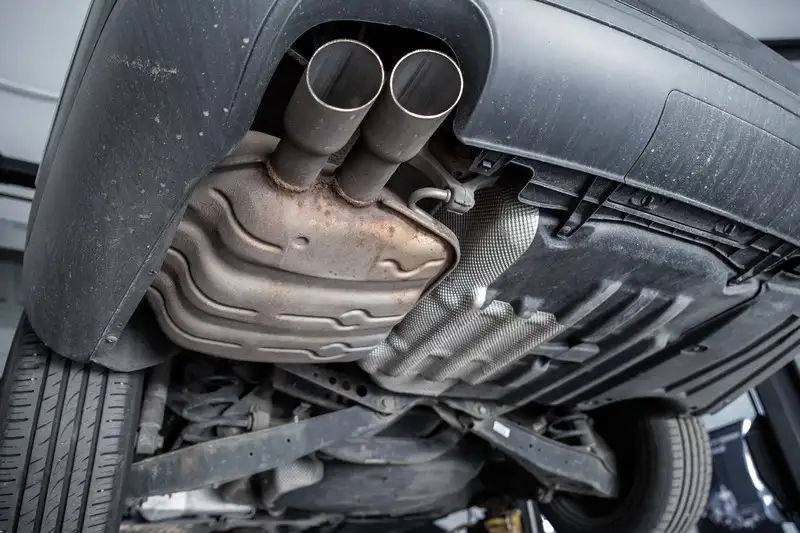
What Could Happen If You Neglect Exhaust Repair?
The exhaust system in your car serves as a muffler, lowering the amount of noise. It also removes exhaust gasses from the engine, which can be unsafe to the environment and you if you breathe them in.
There are several reasons why prompt exhaust repairs are crucial.
But, what happens when you ignore or put off exhaust repair?
Here are possible outcomes if you neglect exhaust repair:
Your car could fail an emissions test, and you’ll be required to get the repairs done before renewing your registration.
Some states require emissions tests for newer vehicles. If your car fails, you’ll need to get the exhaust system repaired and pass the test again.
In many states, it’s illegal to drive with a modified exhaust system than the manufacturer’s original design.
Exhaust fumes may enter your vehicle’s cabin, forcing you to inhale dangerous substances.
Your car’s exhaust system routes exhaust gases away from the passenger cabin. If there’s a problem with the system, however, exhaust fumes can enter the cabin, and you could end up breathing in harmful gases.
A small exhaust leak can cause your car’s engine to run less efficiently, costing you more money in gas.
If exhaust gases are escaping from your car’s exhaust system, it can cause the engine to run less efficiently. That means you’ll use more gas and end up spending more money at the pump.
Ignoring exhaust repair can lead to any of these consequences, so it’s best to get repairs done quickly at Meridian Automotive Complete Auto Care.
A larger exhaust leak can cause your engine to overheat, which can lead to costly repairs.
If exhaust gases are escaping from your car’s exhaust system at a high rate, it can cause the engine to overheat. It can cause damage to your engine and other components, and the repairs will almost certainly be costly.
At Meridian Automotive Complete Auto Care, we can inspect your exhaust system and make repairs quickly and efficiently.
Neglecting exhaust repair can also shorten the lifespan of your car’s engine.
If you don’t take care of your exhaust system, it can lead to engine damage and a shorter lifespan for your car. So if you want to keep your vehicle running well for years to come, make sure to get exhaust repair when needed.
How do you know when you need an exhaust repair service for your car or truck?
If you notice any of the following, it’s time to bring your car in for an exhaust repair:
- Your vehicle is louder than usual
- You can see exhaust fumes coming from your car
- Your vehicle failed an emissions test
- A mechanic recommends an exhaust repair service.
At Meridian Automotive Complete Auto Care, we can help you with all your exhaust repair needs.
Meridian Automotive Complete Auto Care, Your Exhaust Repair Expert in Meridian, ID
If you need exhaust repair in Meridian, ID, look no further than Meridian Automotive Complete Auto Care.
Our ASE-certified mechanics are experts in exhaust system repairs and can get your car running like new again. We offer a wide range of auto repair services, so you can rest assured we’ll take care of everything.
Contact us at 208-888-3797 today!
03/28/2022Read moreTHE BEST WAY TO CLEAN CAR UPHOLSTERY
Cleaning your car seats and upholstery is an important aspect of keeping your car in decent condition.
Regardless of whether you want to continue driving your car for years to come or if you want to sell your car, maintaining the interior of your car and keeping the seats and upholstery clean is something that you should take seriously.
Here are few tips on how you can always keep the interiors of your car clean and polished.
Maintaining the Interior of Your Car
The cleaning process for different types of car seats will obviously differ for the simple reason that the fabric structure can be different.
Having said that, there are three important things to keep in mind before you get down to the task of cleaning the seats and upholstery of your car.
- Before you do any kind of cleaning, make sure you check your car manual for specific cleaning or maintenance advice. Deviating from the recommended processes or products could potentially damage the interior of your car.
- Make sure you carefully go through the label of the cleaning products you use – follow the advice given on the label for best results to prevent any damage to the fabric or upholstery.
- Never use a cleaning product before testing it – always test the product on a small area of the car upholstery which is not easily visible.
7 Tips for Cleaning the Debris/Dust from the Fabric of Your Car Seats
- To clean up the debris and dirt from the seats, it is ok to use a hand-held vacuum or an ordinary household vacuum cleaner with a brush attachment.
- While vacuuming the seats, don’t forget to vacuum the surrounding areas inside the car well – dirt and dust can settle in the cracks and crevices anywhere.
- After vacuuming the seats and the surrounding areas, clean it with water. You will need one bucket of warm water and one bucket of cold water for complete cleaning.
- To the bucket of warm water, add laundry detergent and soak a sponge in it, gently but firmly clean out each seat.
- Make sure you swipe the seats in quick motions to avoid the water from seeping into the fabric.
- Once the seats have been cleaned with the detergent mix, take a towel or soft fabric, dip it into the bucket of cold water and start cleaning out any excess dirt and laundry detergent from the seat surface.
- After you wipe the seats, let them dry out naturally.
Tips for Cleaning Leather and Faux-Leather Upholstery
Leather upholstery is delicate. So, while you clean you need to be careful about choosing the right cleaning agents (PH-balanced) and be mindful with the cleaning process. If you are not careful, it could cause permanent damage to your car’s leather upholstery.
Vacuuming your car seats on a routine basis is one of the best preventive care tips for keeping your leather upholstery in good condition. Cleaning the seats and upholstery will be easier if you have to deal with less dust and debris accumulation.
- To clean your leather upholstery, start by first vacuuming the car seats and the surrounding areas. Filter out as much dust as you can while vacuuming.
- After vacuuming, follow the directions on the car upholstery cleaner package.
- Make sure you use the agent sparingly.
- Using a soft cleaning cloth, wipe down the seats with a firm but gentle movement of your hand.
- Make sure you don’t leave even tiny traces of the cleaning agent on the seats – you don’t want ungainly spots or stains left on your upholstery.
- Once this is done, you can leave the seats to dry out naturally.
- You might want to use leather conditioner on your seats on a periodic basis to ensure the integrity of the texture and fabric structure remain while also ensuring the natural oils stay intact – the oil prevents the fabric from cracking up or drying out.
- As with the cleaning agent, carefully follow the instructions on how to use the leather conditioner.
If you are not very confident about what product to use for cleaning the seats and upholstery of your car, you can always consult with a professional car cleaning technician.
Meridian Automotive – Professional Car Repair Service You Can Trust!
Are you facing any kind of trouble with your car? Or are you looking for a reliable service center? If yes, connect with us today. Give Meridian Automotive a call at (208) 888-3797 or schedule an online appointment at a convenient time.
06/28/2019Read more
Get Road Trip Ready with New Tires
Spring is here and summer is just around the corner, and that means road trip season is almost here! Whether you're planning a weekend getaway or an adventure to the Oregon Coast, ensuring your vehicle is ready for the journey is crucial. One of the most important aspects of road trip preparation is making sure your tires are in top shape. At Meridian Automotive, we’re here to help you get road-trip ready with new tires.
Why New Tires Matter for Your Road Trip
Tires are your vehicle’s direct contact with the road, making them critical for safety, comfort, and fuel efficiency. Here’s why you should consider new tires before your next road trip:
Improved Safety: Worn-out tires have less tread depth, reducing traction and increasing stopping distance, especially in wet conditions.
Better Fuel Efficiency: Properly inflated and new tires reduce rolling resistance, helping you get better gas mileage.
Enhanced Comfort: Fresh tires provide a smoother and quieter ride, making long drives more enjoyable.
Reduced Risk of Blowouts: Old, worn, or improperly inflated tires are more likely to suffer blowouts, which can be dangerous and inconvenient.
Check Your Tire Pressure & Alignment
Even if your tires are new, improper inflation or misalignment can cause uneven wear and reduce fuel efficiency. At Meridian Automotive, we offer professional wheel alignment and balancing services to keep your ride smooth.
Visit Meridian Automotive for Your Tire Needs!
At Meridian Automotive, we offer tire sales, installation, and alignment services to get your vehicle road-trip ready. Stop by our shop in downtown Meridian, Idaho, or call us at 208-888-3797 to schedule an appointment!
03/25/2025Read moreWHAT IS A RADIATOR AND HOW TO TAKE CARE OF IT
We are sure you’ve seen it, a car pulled over on the side of the road with steam pouring out of the hood. Maybe it has even happened to you. What is the cause of this overheating? It could be that something is wrong with your radiator.
The radiator is the core part of your car’s cooling system, along with the thermostat they keep your car from overheating. The radiator, which sits just behind the front grille of your car, passes the hot radiator fluid or coolant through metal “fins” which disperse the heat. As the coolant passes through the radiator it is cooled and returned back into the engine block to keep your engine from overheating. Maintaining your radiator is important for keeping your vehicle in good working condition.
It used to be that a radiator lasted the life of your vehicle. But today’s radiators, which are mostly made of plastic, sometimes last less than 10 years.
There are things that you can do to help your car’s radiator last for as long as possible.
- Make sure your radiator always has the proper level of coolant. If your car ever runs low on coolant it may overheat. When you check it, remember to NEVER open the radiator cap while the engine is hot. To do so could result in serious injury. Check the levels at least twice yearly, once before summer and again before winter is best. Most cars allow you to check your coolant without even taking the cap off. Give us a call to let us know you are on your way and we will meet you in the drive and show you where and how. Check your owner’s manual for specifics. If you notice your car is often low on coolant, you may have a leak in the radiator, hose, or a gasket. In this case, the best thing to do is take your car to a trusted mechanic.
- Flushing out the coolant system regularly is important to maintaining a long radiator life. It is usually recommended that you have it flushed every two to three years, however, you should consult your owner’s manual to see the specific recommendations for your vehicle. When you have your cooling system flushed, it ensures that the coolant can easily flow through the engine, the radiator, and the heater core so that your engine cools properly and your heater works fast and hot on those cold winter mornings.
- Watch your engine temperature. If the gauge is rising more than normal, it could be an indicator that your radiator or thermostat is not performing at its best and may need some maintenance. Inspect the cooling system and the radiator visually. Make sure you don’t smell the sweet smell of coolant or see any coolant pooling up on the engine or at the ends of any hoses. Make sure that all of your belts are present and not frayed. Also look for drip stains under the car. If anything sees off, bring your car into a mechanic and have them inspect your vehicle.
When you come in for a coolant system/radiator check-up, there are several tests that we usually perform to make sure that it is in top working order:
- System pressure test– to make sure the system does not leak under pressure
- Thermostat test– to make sure it is regulating the coolant temperature flow properly
- Radiator cap pressure test– to ensure that it will release at the proper pressure
- Fan test– make sure the engine fan and all other fans are working properly
When you neglect to care for your radiator and cooling system, you put yourself at risk for costly repairs. By practicing the above radiator parts maintenance, it is likely your radiator last as long as you own your car.
09/24/2019Read moreNEW YEAR’S EVE EVENTS IN THE TREASURE VALLEY
New Year’s Eve is a time to say goodbye to the past year and look forward to all the new possibilities in the year to come. Take the time to step out of the everyday norm and celebrate 2019 at one of these local Treasure Valley events!
New Year’s Eve Party at the Inn at 500
December 31st– January 1st
Food, drinks, dancing and more! Dance 2018 away with the DJs from SoundWave in the beautiful Capitol Room on the second floor of the Inn at 500 in downtown Boise.
Buffett, drink tickets, photo booths and live feed of the Idaho Potato Drop!
The night starts at 8:00pm until 1:00am
Ticket prices start at $125-$200 and are ordered at
D&B Boise ID “Noon” Years Eve
Join us for a “Noon” Years Eve Family Celebration.
December 31st 12:00-4:00pm
Location: Dave & Buster’s Boise
PRICE: $14
Reserve or purchase tickets online at : https://nvite.com/davebusters/e91d
Big Wow 2019 New Year’s Eve Gala
by The Ironwood Bar & Grill / The Big Wow
Ironwood Social
5467 North Glenwood Street
Boise, ID 83714
Prices: $15 pre ordered online and $20 at the door
Join Big Wow on Dec 31 at The Ironwood Bar & Grill for an evening of memories dressed in your best Idaho Chic 8:00pm-1:00am
Tickets available at: https://www.eventbrite.com/e/big-wow-2019-new-years-eve-gala-tickets-52657106824?aff=ebdssbdestsearch
Barbacoa NYE 80’s themed Party!
Barbacoa
276 Bobwhite Ct.
Boise, ID
The acclaimed restaurant will be hosting a 80’s NYE party starting at 10p.m. on New Year’s Eve
Tickets are selling out fast! Stop by to purchase tickets or purchase over the phone at 208-338-5000
Ticket prices are $40 per person
101.9 “The Bull” Presents Black and White Party at Cowgirls in Kuna
Kick your boots up New Years Eve and dance 2018 away!
$5 cover, Live DJ, Free drinks and giveaways all night long!
Cowgirls
353 N. Avenue E.
Kuna, ID
A MIDNIGHT KISS AMSTERDAM LOUNGE NEW YEARS EVE 2018
Amsterdam Lounge is excited to bring you a classy night of fun, excitement, and intrigue at our New Years Eve event: A Midnight Kiss!
This fantastic event will feature a midnight toast, hand-passed hors-d’oeuvres, live performances, dancing, and giveaways.Doors open at 7pm. A ticket will not be needed until 8pm. Come early and enjoy $3 cocktails from 7-8pm.
Event tickets are $30, or you can purchase your tickets in advance for only $25 here and save $10 per couple or more with a group of people!Purchase tickets in advance at: https://www.seizethedeal.com/events/a-midnight-kiss-amsterdam-lounge-new-years-eve-2018
Tamarack New Year’s Eve Torchlight Parade and Fireworks
Ring in 2019 on the slopes of Tamarack Resort with an evening bonfire followed by the annual torchlight parade at 6:30 p.m. and fireworks shortly after.
Then head into the Canoe Grill to enjoy a casual atmosphere with a DJ, dance floor and beverages for all ages.
This event is FREE of charge and no reservations are necessary
Idaho Potato Drop
New York has the ball drop and Idaho has the Idaho Potato Drop.
Head to our beautiful State Capitol Building for food, drinks, and heater tents to watch the Potato Drop at midnight! This is the biggest New Year event in the Treasure Valley.
Check the site for all the details or VIP tickets! https://idahopotatodrop.com/
Big Al’s New Years Eve Rock and Bowl Party!
We love bowling just as much as the next person, and at Big Al’s in Meridian, you can bowl in the New Year with your favorite people! Don’t miss out on te champagne toast and balloon drop at midnight!
Visit the website to save your spot: https://www.ilovebigals.com/event/new-years-eve-2018/
Emmett’s Cherry Rise New Years Eve Bash
Find yourself in historic downtown Emmett New Years Eve. Stay warm by watching a movie at the Frontier Cinema to watch “Ferris Bueller’s Day Off” which will conclude right before midnight so you can ring in the New Year!
Movie begins at 9:50 pm and will conclude right before Midnight
12/31/2018Read more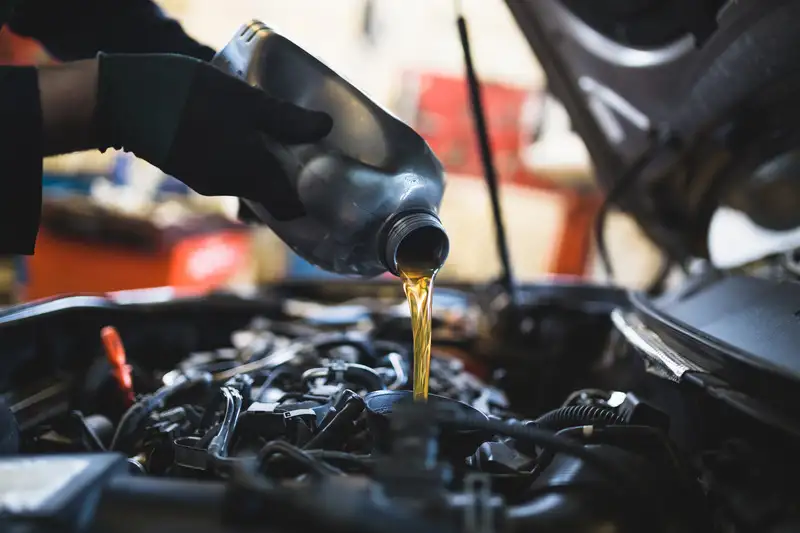
What Happens If You Forgot To Get An Oil Change Near You?
As a car owner, it’s important to stay on top of maintenance and service in order to keep your vehicle running smoothly. If there’s one crucial maintenance task that you should never forget, it’s to change the oil of your car regularly. But what happens if you forget to bring it in for an oil change? Let’s take a look at the potential consequences of neglecting this crucial task.
Your car’s engine will run less smoothly
When your car’s engine starts running less smoothly, it could be an indication that it needs an oil change. To help keep your vehicle in top shape, you should look for an auto shop in Meridian ID that offers services such as oil change services. While oil changes are relatively simple and inexpensive, they are essential for the longevity of your engine, as well as its peak performance. It’s recommended to get oil changes regularly to ensure your engine always runs smoothly and efficiently.
Strange engine noises need an oil change service near you
If you’re hearing strange noises coming from your car engine, it’s a good idea to get it checked out. Though the sound may come and go, it could be an indication of a bigger car problem that needs to be addressed sooner rather than later. It’s essential that you get car maintenance done on a regular basis, including an oil change near you. Doing so can help ensure that potential car issues are caught early before they become major problems and more expensive to fix.
Decreased fuel efficiency needs car oil change service near you
Decreased fuel efficiency in your car’s performance can be a difficult experience and a great inconvenience. After all, no driver wants to stop driving long distances because their car doesn’t have the capability of reaching that goal. To prevent this issue, it is important to get a regular oil change. If you live in an area with an oil change service nearby, it is easy and convenient to keep up with this basic maintenance routine and avoid further complications like decreased fuel efficiency. It pays off to have a properly maintained vehicle that performs well on the road!
The oil in your car will break down and become sludge-like
It’s essential to keep up with oil changes for your car because oil naturally breaks down over time and becomes sludge-like. If oil is not replaced regularly, there can be a decrease in overall performance and it can lead to vehicle damage. Save yourself the extra costs of repairing your car and make sure you stay on top of your oil changes by finding an oil change near you.
Overheating engine needs an oil change service nearby
It’s difficult to avoid the reality that car engines may overheat more easily as the cars continue to age. In order to effectively combat this issue, we recommend a regular oil change near you. This will help to ensure your engine is running at peak performance so you can cruise the roads safely and confidently. A consistent oil change schedule also helps protect your car from unnecessary wear and tear, thereby extending its lifespan and saving you money in the long run.
You may void your warranty if you don’t change your oil regularly
A regular oil change is an important way to ensure that your vehicle’s engine runs seamlessly and reliably. Without regular oil changes, parts can malfunction and components can break, significantly shortening the lifespan of your car. You should always refer to the manufacturer’s specifications regarding oil change intervals in order to avoid any potential damage that may nullify your warranty. In doing so, you will have the peace of mind of knowing that your car is running optimally and any repairs needed due to under-servicing will be covered by the warranty.
Key Takeaways
In conclusion, getting an oil change near you regularly is an essential part of vehicle upkeep and maintenance that should not be taken lightly. Here are a few things you need to remember.
Tip #1: Reduced engine power, strange noises, decreased fuel efficiency, oil sludge buildup, and overheating issues are the possible consequences of failing to have your car’s oil changed.
Tip #2: Avoid all these problems by keeping up with regular appointments for an oil change near you.
Tip #3: Neglecting to change your oil regularly may also void your warranty; so making sure your car’s motor oil is in top condition is vital for ensuring the continued performance and longevity of your car.
If you ever experience any problems with your engine or have concerns about how often you need to replace the oil in your car, don’t hesitate to call Meridian Automotive today! Our team of expert technicians is ready and willing to help get you back on the road quickly and safely. With our help and expertise, you’ll be confident in knowing that the job, including an oil change, will be done with diligence and accuracy. So don’t wait – call now!
01/23/2023Read moreAUTO HISTORY 101: WHAT DO HORSES HAVE TO DO WITH HORSEPOWER?
Automotive enthusiasts often brag about how many horses they have under their hood. But have you ever stopped to consider why we call it horsepower?
For centuries, horses were revered as necessary and trustworthy tools in various industries, from farming to manufacturing to travel. Horses are hardworking, strong, and consistent. It is no wonder that when industrialization took hold, horses were the inspiration behind the improvements of our mechanical systems.
Horses and Engines
Before we had gasoline-powered engines we had steam engines. Before steam engines, we had horse-drawn carriages and wagons. These powerful animals transported explorers, indigenous peoples, and settlers for ages, and they did their job well. However, horses need frequent, physical care to stay in their best shape. And, duties often required well over one or two horses. To be more efficient, people began to search for alternatives.
James Watt, a Scottish inventor, created a steam engine in 1763 that was designed around the needs of miners and farmers. (1) Watt declared that his steam engine could do the same work as multiple horses and set out to prove it by establishing a metric that measured the power a horse provides.
Watt researched an assortment of horse breeds and found that when a brewery mill horse was harnessed to a shaft system it was able to walk a circle with a diameter of 24 feet (pushing with 180 lbs. of force) 144 times an hour. This helped him to determine that horses can carry slightly less than 33.000 foot-pounds per minute. (2) His metric stuck, and in honor of his engineering contributions, in 1960 he had a unit of measurement (the Watt) named after him.
Horsepower in the Modern Age
Over the years, vehicle manufacturers have called attention to the influence of horsepower by creating vehicle models that embody the strength, stability, and endurance of horses. For example, when you hear someone talking about a Ford Mustang, you will associate it with reliable acceleration and powerful firing pistons.
Today, horsepower is used to determine the work that an engine can perform. (3) The crankshaft produces torque (a rotating force that creates the power to do work). To increase power, the engine needs to create more torque and get the wheels to rotate at a higher rpm.
The US uses standard units and measures, and Europe uses the metric system, so horsepower calculations will vary some among different manufacturers. (4) A dynamometer is used to measure horsepower. (5) Readings vary depending on the engine configuration. If you find that an engine is “SAE certified,” it has been measured by a third party to ensure that the vehicle manufacturer is selling what it claims. (5)
The next time you ask what’s under the hood of a vehicle, stop and give thanks to horses, the first hard-working engines. Years of their hard work led to the discovery of a unit of measurement that has given auto enthusiasts around the world a reason to brag.
- Gibbon, Abby (2011), James Watt And the Revolution of Horsepower, The Chronicle of the Horse
- Grossman, David (2017), How Horsepower Came to Be, Popular Mechanics
- Brain, Marshall (2018), How Horsepower Works, How Stuff Works
- Warner, Robin (2017), What is PS (metric horsepower)?, AutoWeek
- Webster, Larry (2006), Horsepower Confusion and Resolution, Car and Driver
01/14/2020Read more10 IMPORTANT ITEMS FOUND IN YOUR OWNER’S MANUAL
We highly recommend that when you get a new or new to you vehicle that you familiarize yourself with its needs and functions as well as you can. There is no better way to learn about your vehicle than going over its owner’s manual.
The owner’s manual is specific to your vehicle model and contains a wealth of vital information. It teaches you everything from initial set up, proper fluid levels, tire care and so on. We realize, however, that for some that amount of information may be a little overwhelming. With that in mind, we have put together a list of what we consider the 10 most important items found in your owner’s manual.
- Initial Vehicle Set-Up: Manufacturers have added many new safety and convenience systems to their vehicles over the last few decades. As each new technological advancement is added to our vehicles, they require a little more set up on our end. The sound system, keyless entry, and auto-adjust seats are only some of the things that may require your attention on a newly acquired vehicle. The owner’s manual is your guide to setting such things up easily, without any guesswork.
- Checking Fluids: As the location can vary from model to model, the owner’s manual is your go-to when you need to locate where to measure the fluids of your vehicle. It will also tell you whether the fluid should be checked hot or cold, and how often the levels should be checked and the fluid changed.
- Driving Habits That Are Best for Your Vehicle: Every model has its own set of quirks, and some driving methods may not be good for your vehicle. The owner’s manual summarizes the do’s and don’ts of operating your vehicle for best performance. You can learn how to achieve the best gas mileage your vehicle offers and how to operate it so that you get the most out of its safety features.
- Fixing Common Problems: Even those who practice regular vehicle maintenance may find themselves in a bind at some time. Your owner’s manual contains information on how to handle problems like jump-starting your vehicle, opening an electric window manually, changing a flat tire, and more.
- Technical Data: There will come a time in your vehicles life that you will need to access technical information on its components. The owner’s manual has a technical data section that provides facts and figures on a range of items such as vehicle dimensions and engine size.
- Optimal Tire Pressure: Maintaining the correct tire pressure helps the performance of your vehicle. Your owner’s manual not only tells you the proper psi for your vehicle but provides instruction on how to properly adjust the pressure so that the tires are not over or under-inflated.
- Cleaning and Protecting Surfaces: As one of your top investments, it only makes sense that you would want to keep your vehicle looking its best for as long as possible. While many vehicles can be cleaned in much the same way, you may want to check with your owner’s manual to see if the specific upholstery or leather used in your car has special care needs. Also, the manual will often outline how to clean parts of the vehicle that you may not think of on your own, like the wiper blades and mirrors.
- Type of Oil: Your owner’s manual will advise what type of oil is recommended for your vehicle. It may also advise different oils depending on the type of climate you find yourself in. It is crucial to use oil that is the correct thickness, also known as viscosity, for your engine. Oil that is too thick or too thin won’t protect your engine and could cause damage. Because oils must comply with certain quality standards, the standards for your car should also be listed. Because standard motor oil doesn’t always meet these specifications, a lot of car’s today require synthetic oils.
11/01/2019Read more3 IMPORTANT THINGS TO KNOW ABOUT FULL-SERVICE CAR WASH
Giving your vehicle a full-service car wash on a regular basis is a great way to keep it looking good and working well. Full-service packages can come in many different varieties and price levels, and you will want to know what exactly is being done to your car. Here are 3 important things to know about a full-service car wash before committing to any specific car wash package.
- Do they use a hand wash or conveyor belt system? Most car washes use automated conveyor belt systems for cleaning vehicles quickly. An automated system is efficient if your car isn’t super dirty and you are short on time. But there is a limit on how much this system can clean your car, and for very dirty vehicles, a hand wash will be more thorough. Hand washing should get rid of dirt and debris that are stuck in small places, like the door jambs, wheels, and bumper. A good hand washing attendant will continue to clean your car until all dirt is removed.
- What other areas do they clean? Washing the outside of your vehicle is just one part of a full-service car wash. You should be sure to know which of any of the following cleaning treatments is also included in your package.
- Complete interior cleaning, including cleaning all floor mats, vacuuming all the carpeting, vacuuming underneath the seats, and cleaning and dressing of the dash and vinyl tops.
- Cleaning and dressing of the tires, whitewalls, and all rubber moldings.
- Cleaning and vacuuming inside the trunk.
- Chassis bath or undercarriage cleaning to remove salt and build-up of rust and debris. Properly cleaning your car’s undercarriage should include both a pressure washing and the use of a degreasing agent.
- What are the other detailing services included? A full-service car wash will usually include a variety of extra detailing options for your car. Here are the most common detailing options to be aware of:
- Exterior car hand wax and shine or clear coat protector. There are a lot of different waxing products available, so you should be sure to know which one is being used on your car. Putting a good sealing product on your car after washing will protect the clear and base color coat from fading due to UV rays of the sun.
- Foam carpet shampoo cleaning. If the carpeting in your car is really dirty, a shampoo cleaning will remove a lot more dirt and grime than just having the carpeting vacuumed.
- Leather seat and upholstery conditioning. Having a good treatment applied to your upholstery will keep it looking nice and prevent cracking or damage from sun exposure. You should ask about the products that they use for conditioning to be sure that they are appropriate for your car’s upholstery material.
- Undercoat protection. After having your car’s under-body washed, a rust inhibitor spray will help protect the underside of your vehicle.
- Tar removal. If your car has accumulated any tar build-up, a special spray product should be used to carefully remove the tar without causing any damage to your car’s exterior.
Giving your vehicle a full-service car wash should be a part of your regular maintenance. You want to be informed on the specifics of what is included in any car wash package, and what products are being used on your vehicle.
For all of your auto service and repair needs, you can trust the ASE certified technicians at Meridian Automotive. We have been Meridian’s trusted auto care experts for more than 25 years. Our outstanding customer service standards include free shuttle service, available financing options, same day auto service, and a 36 month/36,000 mile parts and labor warranty that exceeds industry standards. You can schedule an appointment with us online or give us a call at (208) 901-8633.
09/16/2019Read moreWHAT CAUSES ENGINE KNOCKING?
Have you been hearing a rattling sound, or something more like a hollow knocking when driving? If so, this is known as “engine knocking.” Engine knocking is not a sound you want to hear. It is the metallic sound the engine produces when pressure is applied to the gas pedal. It is sometimes referred to as pinging, detonation, or spark knocking.
Engine knocking occurs when a separate pocket of air/fuel mixture ignites after the spark has ignited the air/fuel mixture in the combustion chamber. When the engine knocks, or pings, it releases nitrogen oxide (NOx) and unburned hydrocarbons (HCs) into the environment. These are poisonous gases that appear in a polluted sky in a yellow-brown color. They have a negative effect on respiratory problems such as emphysema and asthma.
COMMON CAUSES OF ENGINE KNOCKING INCLUDE:
Using fuel with an octane rating too low for your vehicle. Did you know that the octane rating of gasoline is sometimes referred to as the AKI- anti-knock index? To maintain optimum performance, manufacturers recommend certain octane ratings for their vehicles. Pinging can occur when you use an overly lean air-to-fuel mixture, or there is a lack of exhaust gas recirculation (EGR). The EGR system neutralizes engine knocking by adding a small amount of exhaust gas to the air-to fuel mixture going in to the combustion process. This limits the peak combustion chamber temperature. If you have been using fuel with an octane rating that is too low, you can purchase an octane booster to bring it up to levels that allow for proper function. If you find that you are having troubles even using the proper octane rating, try using a different brand of gasoline. To learn the proper octane rating for your specific vehicle, refer to your owner’s manual.
Early combustion. When combustion happens too early it is often referred to as a “spark knock.” Early combustion occurs from a lean air/fuel mixture, carbon build-up in the combustion chamber, and a spark plug firing too soon. Repair Pal states that if the cylinder is firing properly, the spark plug will ignite the air/fuel mixture and a flame front starts on one side of the piston and burns across the top to the other side, which creates a rapid and evenly-expanding gas that pushes down on the top of the piston. If the air/fuel mixture ignites before the spark plug fires, the two flame fronts will collide and cause the knocking noise.
Hot engine. If the engine is too hot, it can ping. This would be another early combustion scenario. It occurs when the air-to-fuel mixture “lights off” by itself. When the cooling system fails to keep the combustion chamber temperature under control, the air-to-fuel mixture will spontaneously explode. This is sometimes referred to as “pre-ignition.”
Other problems that lead to engine knocking include:
- Carbon deposits on cylinder walls
- Incorrect spark plugs for vehicle
- Worn water pump bearing
- Failed or loose timing belt tensioner (knocks when the timing belt slaps against it)
- Defective main crankshaft bearings
- A cracked or broken flywheel or flex-plate that attaches the engine to the transmission
06/15/2017Read more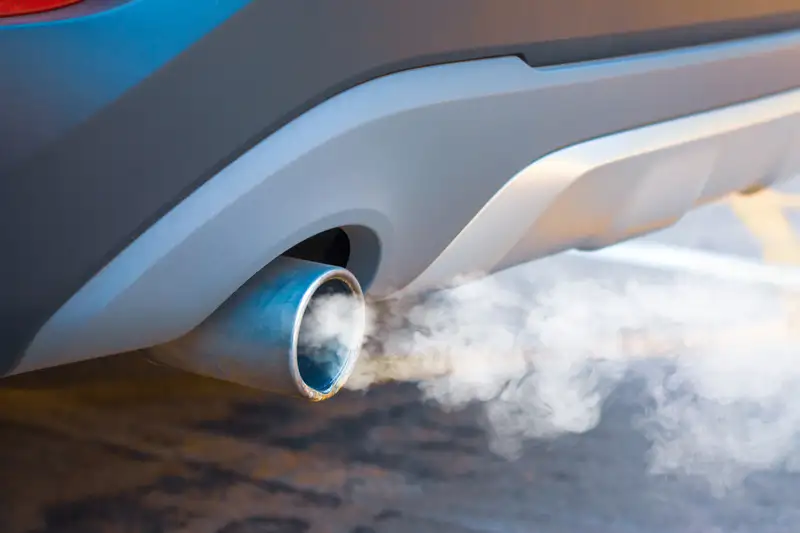
When to Schedule a Service at a Muffler Shop Near You?
Many people put off getting their car’s muffler repaired until the last minute. It can lead to expensive repairs and more significant repairs down the line.
It’s always best to get muffler repairs done as soon as possible to avoid any further damage.
Here are a few signs that you need to schedule auto service at a muffler shop near you:
You hear a strange noise every time you start your car.
It is usually the first sign that something is wrong with your muffler.
It’s best to get your car serviced right away if you hear a loud noise. The longer you wait, the worse the problem will become and the more costly it will be to correct. If you’re unsure whether or not the noise is coming from your muffler, you can always take it in for a diagnostic test.
Your muffler is rusty or damaged.
If you can see rust or damage on your muffler, it’s time to take it in for repair.
Mufflers are made of steel, which means they’re susceptible to rust and corrosion. If left untreated, muffler damage will only worsen and could lead to a hole in your exhaust system.
At Meridian Automotive Complete Auto Care, we can inspect your muffler and make recommendations for repair or replacement.
There’s a hole in your muffler.
If you can see a hole in your muffler, it’s time to take it in for repair.
A hole in your muffler will cause your car to be louder than usual and can also lead to exhaust leaks. If you have an exhaust leak, dangerous fumes could enter the cabin of your vehicle, which is a health hazard.
Bring your car into Meridian Automotive Complete Auto Care for muffler repair or replacement. We can help you get your car running safely and quietly again.
Your car isn’t performing as well as it once did.
One of the muffler’s functions is to reduce engine noise, so if your car is suddenly louder than usual, it’s a sign that something is wrong. In addition to being noisy, a damaged muffler can also cause your vehicle to run less smoothly.
If you’ve noticed your car isn’t running as well as it used to, schedule an appointment at Meridian Automotive Complete Auto Care.
Why it’s crucial to be proactive with maintenance at a muffler shop near you?
Being proactive with your vehicle’s muffler and exhaust system will prevent costly auto repairs.
If you wait until there’s a problem, it will be more expensive to fix. Besides, it’s always better to be safe than sorry when it comes to your car.
Meridian Automotive Complete Auto Care, Your Go-to Muffler Shop Near You in Meridian, ID
Bring your automobile to Meridian Automotive Complete Auto Care if you need a muffler or exhaust system repaired.
We are a full-service auto shop near you that can handle all your muffler and exhaust needs. We also offer regular maintenance services to keep your car running smoothly.
Call 208-888-3797 to schedule an appointment with us today!
04/19/2022Read moreWHERE TO EAT ON NEW YEAR’S EVE IN THE TREASURE VALLEY
If you’re looking for where to eat out in Boise, Meridian or anywhere in the Treasure Valley on New Year’s Eve, check out our list!
Chateau De Fleurs
We’ve got your 2018 Dinner Finale!
Before you cheer on the new year, enjoy a wonderful Prix Fixe menu in The Restaurant at The Chateau
Prix Fixe Menu is $89 per guest – Prix Fixe menu price does not include tax and gratuity. Our special prix fixe menu includes items such as a Crab and White Truffle Pasta, 10oz Filet Foie Gras, Brie Baked Oysters, Lobster Cakes and Idaho Sturgeon!
Call for your reservations 208-947-28740 or schedule online via our open table link!
Barbacoa Brings in 2019 80’s Style
Barbacoa
276 Bobwhite Ct.
Boise, ID
The acclaimed restaurant will be hosting a 80’s NYE party starting at 10p.m. on New Year’s Eve
Tickets are selling out fast! Stop by to purchase tickets or purchase over the phone at 208-338-5000
Ticket prices are $40 per person
New Year’s Eve Party at the Inn at 500 Featuring Richard’s catering
December 31st– January 1st
Food, drinks, dancing and more! Dance 2018 away with the DJs from SoundWave in the beautiful Capitol Room on the second floor of the Inn at 500 in downtown Boise.
Buffett, drink tickets, photo booths and live feed of the Idaho Potato Drop!
The night starts at 8:00pm until 1:00am
Food throughout the night brought to your by Richard’s Restaurant
Big Wow 2019 New Year’s Eve Gala
by The Ironwood Bar & Grill / The Big Wow
Ironwood Social
5467 North Glenwood Street
Boise, ID 83714
Prices: $15 pre ordered online and $20 at the door
Join Big Wow on Dec 31 at The Ironwood Bar & Grill for an evening of memories dressed in your best Idaho Chic 8:00pm-1:00am
Tickets available at: https://www.eventbrite.com/e/big-wow-2019-new-years-eve-gala-tickets-52657106824?aff=ebdssbdestsearch
Ruth’s Chris Steak House – Boise
800 W. Main St. Ste 110 Boise
208-426-8000
Ring in 2019 together. Now that the New Year is upon us, take the time and celebrate around the table at Ruth’s Chris Steak House on New Years Eve!
Make your reservations online now!
Chandlers
981 W. Grove Boise
Dine in style New Year’s Eve at Chandlers.
Prices are $100 per person
Make your reservations online today! https://www.chandlersboise.com/special-packages/
The Flicks
646 Fulton St. Boise
208-342-4288 https://www.theflicksboise.com/
Reserve your spots for dinner and a movie on New Year’s Eve
Open 4pm – 7:30pm
Movie shown Mary Queen of Scots, Vice and Green Books
Start your New Year’s Eve off with Dinner and a movie before your night out on the town
Shari’s Café and Pie
8521 W. Franklin Rd. Boise
208-322-3696
Open all day New Year’s Eve- No reservations required
Family dining establishment serving American dishes and pie 365 days per year 24 hours per day.
Yard House at the Village
3693 E Longwing Ln Suite #140, Meridian, ID 83646
Call for New Year’s Eve Reservations 208-288-0990
Celebrate New Year’s Eve at the Yard House with a 3 course meal and a toast at midnight with the Yard House’s signature 22ns anniversary draft beer.
Idaho Potato Drop
New York has the ball drop and Idaho has the Idaho Potato Drop.
Head to our beautiful State Capitol Building for food, drinks, and heater tents to watch the Potato Drop at midnight! This is the biggest New Year event in the Treasure Valley.
Why sit at a restaurant all night and risk missing the iconic Potato Drop at Midnight when multiple food vendors will be at your disposal all night long!
Vendors such as: Big Dadd’s BBQ, Boise’s Best Kettle Corn, Off The Grid Pizza, The Rusty Dog and Twisted Sister’s Coffee
Check the site for all the details or VIP tickets! https://idahopotatodrop.com/
Dutch Bros
Get your fuel for the night of festivities! Dutch Bros surely won’t disappoint when it comes their hand-crafted coffees and Rebels. Kick start your New Year’s Eve the right way with Dutch Bros. Find out all the secret drinks the baristas can whip up for you at https://www.dutchbros.com/menu
12/31/2018Read moreALL ABOUT FOG LIGHTS
In the Treasure Valley, fog is a weather phenomenon that usually only occurs in the colder months of the year. According to the National Weather Service, it is most common in the days between Thanksgiving and Valentine’s Day. Though the fog in Treasure Valley is usually advection fog (fog that moves in from another place), it can become rather dense and significantly reduce visibility. In a perfect world, you would be able to avoid driving in foggy conditions and wait for better visibility. But, realistically, that just isn’t always possible. Luckily, fog lights were created to help make your journey safer.
How Do Fog Lights Work?
Fog is made up of tiny water drops or ice crystals that float in the air near the surface of the ground, which can look like a low cloud. Not only can the dense quality of this air make it difficult to see, the water drops, and ice crystals make things even worse because they reflect light. For this reason, driving through fog with headlights can become rather dangerous. You should never use high beams in the fog. Fog, though low lying, does not touch the ground. It usually hovers between 12 and 18 inches over the surface. Because of this, factory-equipped fog lights are installed low on the vehicle. The lights are designed to have a sharp cutoff angle at the top so that no light shines up to reflect off the fog and strictly lights the road ahead. While fog lights do not have the same reach as headlights, they do light up enough of the road to allow you to slowly reach your destination. And because they don’t just reflect light back to you, you are more visible to other motorists too.
How are Fog Lights and Headlights Different?
Headlights are designed to increase your visibility at night and to allow you to be seen by other drivers. However, they were designed for clear conditions. Fog lights and headlights are different in both their construction and placement. Fog lights are made to shine light low and only onto the street. Headlights are placed higher to show you what is ahead further on the road and to the side of the road. They also make it so that other motorists are aware of your position on the road when it is dark outside. You will also find that fog lights are often yellow, whereas headlights are usually white. Fog lights are commonly yellow because yellow light has a stronger wavelength than white or blue. It is believed that the stronger wavelength can penetrate through the dense air of fog increasing visibility. However, the light location and angle are much more important.
Using Fog Lights in Idaho
As with using high beams, there are rules on how to use fog lights properly. Some of these rules vary from state to state. Idaho State Legislation has listed the following rules for fog light use:
- Fog lights and low beam lights may be used together.
- Two front-mounted fog lights are allowed.
- Headlights should only be used in the daytime if visibility is under 500 feet.
- Fog lights cannot cause a glare in the eyes of oncoming drivers.
Meridian Automotive- Service You Can Trust
Stay safe on the roads this winter, use caution when driving in fog and other inclement weather conditions. If you need assistance with your vehicle or are ready for your regular check-up, call us at (208) 297-5573, or schedule an appointment online.
12/03/2019Read moreHOW TO MAINTAIN YOUR CAR’S TIRES
One important safety function for vehicles that is often overlooked is proper tire maintenance. Poor tire maintenance— failing to rotate your tires, not having enough air in your tires along with other maintenance requirements—can lead to the tread coming off of your tire, a blowout or a flat tire. According to the National Highway Traffic Safety Administration, there are approximately 11,000 tire-related crashes a year and nearly 200 people will die in these crashes. So, proper tire maintenance cannot be emphasized enough.
TIRE PRESSURE
The leading cause of tire failure is under inflation. Tires that are under inflated are not only prone to more damage and failure, but they can also increase fuel costs by as much as three to five cents per gallon. According to tiresafety.com, three out of four drivers will wash their car each month while only one out of seven will correctly check their tire pressure. That means that only 15 percent of all car drivers are making sure they are keeping their tires road safe.
At times, a tire can be 50 percent under inflated before it becomes visibly noticeable. This is why it is important to check the air pressure in all of your tires – including the spare – at least once a month, and before long trips, with a quality gauge. (Digital and dial gauges tend to be the most accurate and are easiest to read.) The “proper amount” of inflation, or recommended psi, for your tires is specified by the vehicle manufacturer. You can find it in your vehicle owner’s manual or possibly on the vehicle on the door edge or post, or in the fuel door or glove box door.
HOW TO CHECK THE AIR PRESSURE IN YOUR TIRES
The recommended tire pressure is for cold tires, which means that the tire pressure should be checked before the vehicle has been driven. When you check the pressure on warm tires it can result in a pressure reading of up to five psi higher than the recommended pressure. These are the steps you take to check the tire pressure according to AAA:
- Remove the tire’s valve cap.
- Place the gauge over the tire’s valve stem and press firmly so that no escaping air is heard. The tire gauge will indicate how much pressure is in the tire.
- Adjust the tire’s air pressure as needed. When adding air, push the air hose into the valve firmly, until the air stops escaping. Check the pressure every few seconds to help judge the amount of air going into the tire, until you reach the recommended air pressure. If the tire’s pressure is greater than it should be, use the nipple on the tire gauge to press the center of the tire valve stem and release air.
- Replace the valve cap.
- Repeat the process for the other tires. Don’t forget the spare tire.
HOW TO CHECK YOUR TIRE TREAD
The tread on the tire is what provides the traction, or gripping power, that prevents your vehicle from slipping or sliding. This is especially true when the road is wet or icy. You should have at least 1/8” of tread on your tires for continued use. When a tire gets down to 1/16 of an inch, it is no longer safe and should be replaced. Check the tread once a month, when you are checking your air pressure. According to safecar.gov, many tires have built in “tread-wear indicators.” These are raised sections that run in-between the tire’s tread. You will know it is time to replace your tires when the tread is worn down to the point that it is level with the tread indicator. You could also try the traditional quarter or penny tests.
QUARTER TEST
Find a quarter and insert it into a tread groove with the top of Washington’s head facing down. If the top of his head is not visible, then you have at least 1/8” of tread and are good to go. If you can see above the top of Washington’s head, then you need to replace the tire. AAA suggests you take measurements in three locations across the tread: The outer edge, the center, and the inside edge.
PENNY TEST
You perform the penny test in the same way that you would the quarter test. The only difference is when you see above the top of Lincoln’s head there is less than 1/16” of tread- which is lower than the legal minimum and means you need to replace your tire immediately. If your tire tread is this low, the tire will usually have visible wear indicators such as thin bald strips running from side to side across two or more tread segments.
If your tire gets to the point that it fails the penny test, then you have already been driving on it too long. It may not seem like much of a difference between 1/8” and 1/16” of tread, but according to Tire Rack, the largest independent tire tester in the US, the difference is quite significant. As an example, if a pickup truck that passes the penny test is traveling at 70 miles per hour it can take up to 499.5 feet to stop on wet pavement. The same truck will stop at a distance of 122 feet shorter if it passes the quarter test instead, which is a 24 percent difference in stopping distance or the equivalent of six or more car lengths. Given these facts, it is probably best to use the quarter test.
10/01/2019Read moreSEE AND BE SEEN ON THE ROADS THIS WINTER
Visibility is crucial to staying safe on the road. It is important that you are not only able to see but that you are clearly seen as well. This all becomes even more important in the winter months when the days are shorter, and winter storms could severely limit visibility- increasing your risk of being in an auto accident.
Stay safe this winter by making sure that your vehicle can be seen, and that you are able to see. Here’s how.
Check All Your Vehicle’s Lights
The lights on your vehicle are standard wear and tear items that are not often discussed or thought about in terms of vehicle maintenance. However, the lighting system plays a vital role in vehicle safety. It is responsible for providing visibility in the nighttime, it allows other motorists to see you, it signals your intentions to other drivers, and allows you to see the important instruments on your dashboard. We recommend checking all your lights (internal, headlights, tail lights, flashers) once a month or at least at every oil change. If you notice any dimming, rapid blinking, or nonoperational lights, then they should be replaced. It is recommended that you change your headlights in pairs to help avoid one being dimmer than or dying before the other. Beyond changing any lights that may need it, consider the following advice as well.
- Keep your lights clean. Dirt and debris will dim your headlights, signal lights, and tail lights, making it more difficult for other vehicles to see you at night and/or in inclement winter weather. Before you get in your car each morning, or whenever you fill up your gas tank, take a little stroll around your vehicle and make sure that the lights are clean. If they aren’t, it won’t take very long to wipe them down.
- Ensure your headlights are aimed properly. Properly aimed headlights will make sure you are seeing what you need to see. It will also prevent you from creating blind spots for other drivers if they are aimed too high or too low. Park in front of a wall and turn on your headlights. Both sides should hit the same place on the wall. If they do not, then they need adjusting. You can bring your vehicle into Meridian Automotive and we will help straighten things out for you.
- Don’t out-drive your headlights. You should be able to stop your vehicle completely within the lit area. If you cannot, then you have created what the Car Care Council calls a “blind crash area” in the front of your car.
- When in doubt, turn on your lights. There are some situations in which it may not be entirely clear if you should have your lights on or not (like at certain points in the dusk and dawn). If you are unsure, play it safe and turn them on.
Check Your Windshield and Windshield Wipers
If you want to make sure you can see the roads -and any hazards that may be on them- you are going to have to inspect your windshield and windshield wipers. Before you drive your car, make sure the windshield and all other windows are clear of snow, ice, or other debris. You should also make sure there are no cracks in your windshield. A cracked windshield may obstruct your vision and cause excessive glaring.
It is always a little more difficult to drive at night, driving at night in a snowstorm or rainstorm is even more difficult. For this reason, you will want to not only make sure your windshield is clean and un-smudged but that your windshield wipers are in good condition. You may want to consider replacing your wiper blades in the winter with a kind that is a little more durable for winter storm conditions. You will also want to make sure you have plenty of wiper fluid. Make sure it is the kind suitable for colder temperatures. Also, consider keeping some extra in your vehicle’s winter emergency kit.
This winter, keep your vehicle’s lights maintained properly, and check on your wiper blades from time to time to allow for a safer drive by keeping the roads and yourself visible.
If you need help preparing your vehicle for any winter road conditions or to just schedule routine maintenance, schedule an appointment with the automotive repair experts at Meridian Automotive. Call us today (208) 297-5573 or schedule an appointment online.
01/07/2020Read moreSEPTEMBER COMMUNITY NETWORKING EVENTS IN MERIDIAN, IDAHO
Our professionals at Meridian Automotive love being an active part of the local community here in Meridian, Idaho. Our owners participate in social networking events to contribute to the success of other local businesses. Here are two community networking events in Meridian that are happening this September. Check them out for professional networking, socializing, and family fun.
- Meridian Community Block Party. The annual block party is designed to bring together organizations and businesses whose programs promote healthy lifestyles, develop creativity, and inspire the concept of play. This full day event will feature a variety of vendors from our local community. Class instructors will be on hand to give demonstrations and answer questions about all the exciting upcoming fall activities available in Meridian. There are also some great games and activities for families including arts and crafts, animal shows, a “bounce house” for kids, all types of food, and live radio broadcasts.
- Date: Saturday, September 7, 2019
- Time: 10 am to 5 pm
- Location: Julius M. Kleiner Memorial Park
To participate in the 2019 Community Block Party as a vendor, just submit the following application.
- Idaho Career and Job Fair. The Idaho travelling career and job fair is coming to Meridian! Local job seekers or people looking for a career change will find a wealth of opportunities at this free job fair. More than 50 employers and community partners from a wide variety of industries will be on hand to speak face-to-face with job seekers. Available full-time and part-time positions include hourly, salaried, commissioned, and self-employment opportunities. Community partners will be discussing educational opportunities and the services they provide. This highly effective recruiting format can lead to interviews being set up on the spot. Don’t forget to bring copies of your resume and to dress for success.
- Date: Tuesday, September 10, 2019
- Time: 10 am to 2 pm
- Location: Courtyard by Marriott Boise/West Meridian
1789 South Eagle rd., Meridian, ID 83642
All of us at Meridian Automotive genuinely care about our customers and the local community here in Meridian, Idaho. Our business employs technicians that are ASE certified. We focus on the customer experience and stand by all our repair work to exceed customer expectations. Meridian Automotive is A+ rated and accredited by the Better Business Bureau. Owner John Nesmith grew up in Meridian and offers discount coupons for his customers. So, the next time you have any service or repair needs for your vehicle, trust the experts at Meridian Automotive. Feel free to make an appointment here or just call us at 208-405-0880.
08/23/2019Read more- Meridian Community Block Party. The annual block party is designed to bring together organizations and businesses whose programs promote healthy lifestyles, develop creativity, and inspire the concept of play. This full day event will feature a variety of vendors from our local community. Class instructors will be on hand to give demonstrations and answer questions about all the exciting upcoming fall activities available in Meridian. There are also some great games and activities for families including arts and crafts, animal shows, a “bounce house” for kids, all types of food, and live radio broadcasts.
WHY IS MY CAR HAVING A HARD TIME STARTING?
Imagine you are all ready to go to an important business or social meeting and you are running late. You get into your car only to find that it won’t start.
Your frustration levels skyrocket. You might try starting your car a few times before giving up. The next thought that will probably plague you is what it might cost to fix the problem.
Does this sound familiar? If yes, then read on to know four of the most possible culprits for your car not starting.
- Battery Trouble
Ironic as it may sound, if the reason why your car won’t start is due to a dead battery, it’s not very bad news.
You can always jumpstart the battery. If your car starts, we suggest you have your battery and alternator checked-up.
If the issue is because of faulty connections, or wear and tear of battery parts such as the cables or posts, it is also an affordable fix.
Your car technician will be able to address the issue easily. A simple clean-up will suffice – the technician will run a few tests to check for other possible battery issues and fix them.
- You’re Out of Fuel!
Ok so this one is elementary – if your gas tank is empty, naturally your car won’t start. It does seem stupid, but you will be surprised how many times people forget to fill up on gas even if they are running low. All you need to do is fill up the tank and you’re good to go.
Sometimes, your fuel gauge might read full, but your tank is actually empty. This needs to be checked out as soon as possible.
Getting stranded at home is one thing – running out of fuel while you are on the road and far away from a gas station is not the most pleasant of experiences. Certainly, in an Idaho summer!
Related to the fuel, there could be other potential issues behind your starting trouble.
A fuel leak could stem from a damaged fuel pump or fuel line. Alternatively, your fuel filter could be clogged. This means the fuel supply to the engine will get cut-off. Ideally, fuel filters should be replaced every 15,000 to 20,000 kilometers.
Again, this is something that your car technician will check when you take your car for servicing.
- Faulty Starter or Ignition Switch Issues
A faulty starter is another potential cause for your car not starting. What is a starter? Well, it’s a small electrical motor which connects with your battery and helps in getting the engine moving upon ignition.
A faulty starter will not be able to get the engine moving and all you might get is a clicking sound and a dead engine.
If the starter bolts are loose, simply tightening the bolts will fix the issue. Or all you need to do is clean the plunger.
But if you are not sure where the problem lies and what to do about it – a professional car technician will easily address the fault.
A problem with your ignition switch can also cause starting problem. You might notice that your headlights and dashboard light up, but your car does not start. If this is the case, it could be due to a faulty ignition switch.
- Other Possible Issues to Consider
In addition to the problems listed above, your car starting trouble might stem from a host of other issues as well. So, for example, you could be looking at an issue with the computer system, or a potential issue with a clogged air filter, or even the engine oil.
Your car is a mechanical structure with a slew of running parts. A fault in any of the running parts could easily prevent your car from starting.
05/12/2019Read moreRESTAURANTS OPEN ON CHRISTMAS DAY 2018 IN BOISE, MERIDIAN AND EAGLE
Eat, drink and be merry without the cooking!
Have yourself a merry little Christmas Day dinner with family and friends at one of these wonderful restaurants in Meridian, Boise, or Eagle. Whether you are in town for the holidays or just want to eliminate the stress that comes from cooking that traditional Christmas meal, we’ve got you covered! Within this list find a variety of restaurants that will make the most out of your Christmas Day.
Bacquet’s Restaurant- French cuisine
1117 E. Winding Creek Dr. #150
Eagle, ID 83616
208-577-6238Open Christmas Day from 2:00pm- 7:00pm
Price range: $49 for 3 course meal
Privately owned and operated by the talented French chef, Franck Baquet, and his wife Michele, this restaurant offers French cuisine that will blow your mind, plus a huge selection of deliberately selected wines from around the world. Chef Franck will even help you select a wine that suits your mood. How could your Christmas meal get any better than that?
http://www.bacquets.com/Ruth’s Chris Steak House – Boise
800 W. Main St. Ste 110 Boise
208-426-8000
Make a reservation online
The gift of time together. Now that Christmas is upon us, take the time and celebrate around the table at Ruth’s Chris Steak House on Christmas Day!
https://www.ruthschris.com/restaurant-locations/boise/Chandlers
981 W. Grove Boise
(208) 383-4300Reservations recommended
Christmas day dinner will be served from 3:00- 8:00pm. Prices around $47 per person which includes a spectacular 3 course Christmas meal. The menu starts things off with a choice of lobster bisque or a steakhouse wedge salad. Then you get to choose an entrée from a list that includes prime rib, duck, trout, or pan-seared lamb chops with apple-mint chutney.
For dessert, there is no wrong choice. Between the fruit cobbler or The Bomb (Grand Marnier chocolate mousse) or treat the entire family to a puffed-up chocolate souffle.
Chandlers Restaurant
Black Bear Diner
1731 S Entertainment Ave
Boise, ID 83709Open Christmas Day from 7:00 am to 3:00 pm
No reservations needed
Enjoy Christmas breakfast or lunch at Black Bear Diner where everything feels like a down home cooked meal. Feel like being cozied up in a cabin-like setting Christmas day? Then Black Bear diner is the place to be.
Homepage
Denny’s
All Denny’s locations valley wide will be open on Christmas day. Christmas Day has proved to be Denny’s busiest day of the year!
Breakfast, Lunch or Dinner you can enjoy the “Festive Flavor” menu all day long!
Find their tasteful menus and locations online.
https://www.dennys.com/IHOP
All IHOP location are open Christmas Day to make all your meals bright and cheery!
Enjoy Grinch inspired food all day long. From the Grinch’s Green pancakes to Minty Who-Hot Chocolate to the yummy Who-Roast Beast Omelette. Whatever your palate desires you are bound to get a taste of Who-Ville this holiday season at IHOP!
No reservations necessary but you can always call ahead to your favorite IHOP location to get your name on the wait list!
Find all the locations and menu selections online.
https://www.ihop.com/enDutch Bros
Well, its no diner but you can’t forget to fuel up Christmas morning with Dutch Bros… Hand crafted and seriously yummy, you cannot go wrong with their festive menu! From hot coffee drinks like the Christmas Morning or cold blended ones like the Midnight rebel, Dutch Bros has something for everyone, even the kids!!
Don’t want to hold up the line? Hit up the Dutch Bros online menu before your Christmas morning run and have your order ready! Find all the scrumptious Dutch Bros concoctions online.
https://www.dutchbros.com/menuShari’s Café and Pie
8521 W. Franklin Rd. Boise
208-322-3696Open all day Christmas Day- No reservations required
Family dining establishment serving American dishes and pie 365 days a year, 24 hours a day!
Cottonwood Grille
913 W. River St. Boise
208-333-9800Reservations encouraged by phone or online
Open Christmas Day from 4pm-9pm
Spend your Christmas Day nestled by the Boise river eating some seasonal Northwest wild game and drinking fine wine while enjoying a rustic, romantic setting.
http://cottonwoodgrille.com/The Flicks
646 Fulton St. Boise
208-342-4288Reserve your spots for Christmas Dinner and a movie
(Movie showing this Christmas – Mary Queen of Scots)Open 4pm – 9:30pm
Not your typical Christmas day or meal, but what a fun and memorable way to spend your day with someone special. Dinner and a movie with none of the stress. Don’t forget to call or go online to reserve your seats because they will be selling out fast!
https://www.theflicksboise.com/Madhuban
6930 W. State St. Boise
208-853-8215Open 11am- 2pm for a FREE Christmas Day lunch Buffet
Open 5pm for Christmas Dinner- Reservations Recommended
A taste of India right here in the heart of Idaho. Enjoy a free Christmas buffet–Indian style. Madhuban strives for their customers to leave their restaurant with a memorable Indian dining experience.
http://www.madhubanindiancuisine.com/Rice – Contemporary Asian Cuisine
(208) 939-2595228 E. Plaza St,Eagle, ID.83616
Lunch served 11-3
Dinner served 4-8
Reservations HIGHLY recommended
Make reservations online or call. https://www.riceeagle.com/
Rice will be serving a Christmas buffet which includes prime rib, seafood, dessert and more.
Adults – $33.99 • w/ Bottomless Mimosas, Soda, Hot Tea, or Coffee – $35.99
Seniors (60+) – $28.99 • w/ Bottomless Mimosas, Soda, Hot Tea, or Coffee – $30.99
Kids (12 & Under) – $14.99 • Kids 3 & Under FREE (Limit 1 child per 2 adults)
Golden Star Restaurant
1142 N. Orchard Street
Boise, Idaho 83706
Open Christmas Eve and Christmas Day
12/20/2018Read moreWHY YOU NEED TO TAKE CARE OF YOUR CAR’S AIR FILTER
General vehicle maintenance is necessary in order to keep your vehicle in top running condition. Neglecting your car can prove to be costly. One of the items you should be checking and changing on a regular basis that you may not be aware of is your engine air filter.
A clean air filter is essential to the well-being of your vehicle’s engine. The engine air filter prevents harsh particulate matter from entering the engine’s cylinders, where they can cause oil contamination and mechanical wear. Neglecting your engine air filter will eventually affect how your car performs. If it has been more than a year, or 12,000 – 15,000 miles it is probably time to check your air filter. Most engines air filters are fairly easy to locate and access, refer to your owner’s manual if you need help. You may be able to tell by looking when a filter needs replacing by finding black areas on the section through which outside air enters. If the air filter appears dirty or it has been over your vehicles recommended time frame it should probably be changed.
Engine air filters are a relatively easy and inexpensive item to replace. In fact, if you are comfortable, you can pop the hood on your car and with the help of your vehicle’s owner’s manual you can likely change it yourself. It is also a quick and easy item for your trusted mechanic to check and change for you the next time you take your vehicle in for an oil change or routine maintenance.
Should you decide to change the air filter at home, be sure that you are parked in a shady area and that the engine has cooled for at least an hour. Be sure to read your owner’s manual before beginning any work on your vehicle. After you have popped the hood and located the air filter, usually found in a black plastic casing in the center of the engine, you will need to first pop the filter casing open with a screwdriver.
Once you have opened the casing, take the old filter out. Look over the old filter to see how dirty, or clean, it is. If necessary, replace the filter with a new one and put the casing cover back on. Most manufacturers recommend changing the filter once every twelve months or every 12,000 miles. However, some vehicles can go longer, so check your owner’s manual. Take note of the date and mileage in which you changed the filter for your records.
Changing your air filter is a quick and easy way to maintain the health of your vehicle’s engine. When is the last time you, or your mechanic took a look at your vehicle’s air filter?
07/01/2019Read moreWHY YOU SHOULD RETHINK CHANGING YOUR OWN OIL
Oil is extremely important to the well-being of your vehicle. In fact, it is often referred to as the vehicle’s life blood.
Regular oil changes are crucial to the condition of your vehicle. They keep your vehicle operating newer longer. Motor oil is responsible for three vital functions in the engine:
- It keeps the engine lubricated to keep the parts moving smoothly.
- It helps to prevent overheating by reducing friction and absorbing heat naturally produced by the engine.
- It prevents damaging elements from building up and clogging up the engine.
You can think of maintaining regular oil changes as low-cost protection for your engine. When it is time for your next oil change, you have two options: change it yourself, or find a mechanic to do it for you. We are going to explain to you why it may be better to choose the latter.
Why You Should Have an Expert Change the Oil
The two main reasons to rely on an automotive expert to help you with oil maintenance are risk and convenience.
It is not as convenient to change your oil at home as you may believe. To begin you would need to educate yourself on the steps it takes to change the oil (and the oil filter) and then purchase the materials you need (correct oil, oil pan, filter, special wrench, etc.). After you have bought everything you need, you would then need to change the oil, clean up the mess, and bring the discarded oil to a place where it can be disposed of safely. At this point, you are most likely spending more money and time on it than you would if you had brought it into a shop. *Should you decide to change your oil on your own, please dispose of it properly at a hazardous waste recycling facility. These facilities can be located on Earth911.com.
When you have your oil changed professionally, the risk of something going wrong during the service -or with your car later on- decreases. Auto mechanics spend hours upon hours learning how to get the maintenance done properly the first time, every time. Meaning, that they are not apt to make rookie mistakes like untrained people could. Someone who is not properly versed in the functioning of vehicles runs the risk of using the wrong oil grade, improperly installing the filter, or overlooking a leak- all of which could cause expensive issues down the road.
How Often Should Oil Changes Be Performed?
A general rule of thumb when it comes to oil changes is that it should be done every three months or 3,000 miles. Recommendations specific to your vehicle can be found in your owner’s manual. Today, with the availability of high-performance motor oils, many vehicles can make it to the 5,000-mile mark before needing an oil change. However, going beyond that is not typically recommended. Another bonus to a professional oil change is that afterwards, the technician will be able to offer you a more precise estimate of when your next oil change should be. They base this information on things like the condition of your engine and the kind of motor oil applied. Of course, if your oil light is illuminated, you will need to service your vehicle sooner.
For your next oil change, rely on the experts at Meridian Automotive. We provide complete automotive repair in Meridian, Idaho, for most cars, light trucks, and SUV’s. For over 20 years we’ve been Meridian’s auto repair experts. Don’t just trust anyone with your automotive repair needs, trust the experts at Meridian Automotive. Call us today (208) 297-5573 or schedule an appointment online.
08/29/2017Read moreKEEP YOUR STOPPING POWER- AUGUST IS BRAKE SAFETY AWARENESS MONTH
August is Brake Safety Awareness Month. Use this time to bring your vehicle in to Meridian Automotive for your free brake inspection.
Richard Petty once told AutoNetTV, “You’ve gotta have good brakes. If you’ve got good brakes you can keep yourself out of a lotta trouble.” It sounds like he understood that your brake system is at the top of the list when it comes to vehicle safety.
The Car Care Council started the Brake Safety Awareness Month campaign to make sure all motorists understand how important it is to have routine brake inspections. Routine inspections of the brakes ensure that you know when you need a brake service or repair so you are never in danger of having them fail when you need them most.
The life span of your car’s brakes depends largely on the type of car you own, how you drive, and the degree to which you use your brakes. The Car Care Council recommends having your brakes inspected at least once a year as some brakes can last as long as 70,000 miles before they need replacing or care, whereas others may only last around 25,000 miles.
When you have a brake inspection done at Meridian Automotive we will do a visual inspection of your brake system and let you know what -if anything- is going on. Here are some common brake symptoms to look out for:
- Brake pedal feels mushy or spongy
- Brakes are squeaking, rubbing, or grinding
- Car pulls to one side or another when using the brakes
- Brakes vibrate when you push on them
- Brake pedal has to be pushed all the way to the floor
- A brake warning light that stays on
*If you are experiencing any of these symptoms you should bring your vehicle in right away and have your brakes checked.
Failing to pay attention to brakes that need to be fixed or replaced can put yourself and others on the road at great risk for accident and injury. If your brakes fail or falter when you need to stop, you are more likely to get into an accident. Failing to address the problem can also do costly damage to your braking system and your car if you don’t replace or fix components of your brakes when necessary.
There are two main types of brakes: disk and drum.
- Disk brakes- made up of a disc brake rotor and a caliper that houses the brake pads.
- Drum brakes- made up of a brake drum attached to the wheel, wheel cylinder, brake shoes, and brake return springs. These are more common on the back wheels.
Both brake types have pads or shoes that press against the brakes to slow the vehicle. These components are made of a material that is tough enough to endure the heat and force that is created when you stop your vehicle. However, over time they will wear out and become overly thin, and they will need to be replaced. Should you fail to replace them, and they wear away completely, it can cause damage to the rotors. If this happens then the rotors will likely need to be replaced as well. Not only is this a dangerous situation, as your vehicle won’t stop quickly, but it is also expensive. Brake pads come in different grades; good, better and best. The higher grades do cost more but allow for smoother operation and a better braking performance. You can upgrade your brake pads, but NEVER use a grade that is lower than the one recommended by your vehicle’s manufacturer. This information can be found in your owner’s manual.
A brake service at Meridian Automotive will not only go over the pads, shoes, and rotors, but will also include a brake fluid check. When you do not have enough brake fluid in your vehicle, there will not be enough pressure for you to brake properly. It is also possible for water to build up in the brake fluid leading to corrosion, leaks, and brake damage. With hard use, your brakes could fail. The brake fluid should be changed at the regular service intervals set out in your vehicle’s owner’s manual to avoid these outcomes.
Never gamble with brake care. Your safety and the safety of others relies on proper brake maintenance. If at any time you experience any of the above issues, or you are unsure if there is a problem with your brakes or not, we invite you to visit us at Meridian Automotive. We are happy to help you with any brake or other automotive repair needs you may have. Please call us at (208) 297-553, or schedule your appointment here.08/29/2017Read more2017 CAR SHOW
Meridian Automotive is proud to be hosting our 7th Annual Show and Shine Car Show on Saturday July 29th, 2017.
This is a fund-raising benefit for the local veteran’s nonprofit, Operation Homefront.
When service members come back from their military service, many face financial hardship, especially wounded service members. Operation Homefront helps by providing funds to pay for utilities or for keeping a roof over their heads.
Meridian Automotive is proud to donate every penny from car show entry fees and raffle ticket sales to Operation Homefront to help these transitioning men and women.
The public is invited to attend this event.
What: 7th Annual Show and Shine Car Show
When: Saturday July 29th, 2017, 10:00 am – 2:00 pm.
Where: Meridian Automotive, 505 N. Main Street, Meridian, Idaho, 83642.
Why: To support the veterans in our community and to have fun!
Cost: $25 for those who wish to exhibit in the car show
Free for people to attend
The car show will feature custom and restored cars, trucks and street machines.
Car Owner Registration starts at 9:00
Register Online Here
There will also be food trucks, entertainment, raffle tickets for sale and more.
The event is free for the public to attend and $25 for car show exhibitors. Trophies will be given out for “Best of” in each category. New this year will be two more awards including “People’s Choice” and “One-of-a-Kind.”Sponsors are wanted to donate raffle prizes for our show. Help us raise $5,000 for local veterans! Donate a gift card, gift basket or other raffle prize today!
We are looking for:
10 $100 restaurant gift cards
10 $100 spa gift cards
10 $100 entertainment gift cards (movies, bowling, etc.)
07/10/2017Read moreWHAT DOES THE SPEED RATING OF A TIRE MEAN?
If you are in the market for a new set of tires, then the one term you will probably hear a lot is speed rating. What does speed rating of a tire mean?
Well, in simple terms, the speed rating of a tire, which is denoted by an alphabet, specifies the top speed the tire can safely maintain or hit before it starts to break down or stops performing as intended.
However, it is important to note here that – speed rating tests are conducted in controlled environments, which is why they can maintain the desired top speeds.
In a real-life situation and on normal roads, where speeding and road rules come into play, in addition to factors such as bad roads or bad weather, maintaining speeds commensurate with the speed rating of the tire is nearly impossible.
Locating Your Tire Speed Rating
There are two places where you can find your tire speed rating – 1. You can look it up in your driver’s manual and 2. You can find it on the sidewall of your car tire.
If you look at your car tire, you will find a series of alphabetical and numerical characters. The code might read something like this – P215/65R15 89H. In this code, the letter “H” will specify the speed rating speed of your tire.
The speed rating is denoted by different letters where each letter stands for a specific speed.
T Speed Rating
If your car tires come with a T speed rating, it means the tires cleared speed tests touching up to 118 mph (190 km/h).
H Speed Rating
An H speed rating means the tires cleared speed testing for speeds up to 130 mph (210 km/h). Tires with an H speed rating are mostly used in sports or luxury coupes and sedans.
W Speed Rating
A W speed rating means the tires would have cleared speed testing for speeds touching up to 168 mph (270 km/h). These tires are all-season tires and they are high on performance and driving quality.
Q Speed Rating
Tires with a Q speed rating are designed for functionality with a lower speed testing of about 99 mph (160 km/h). Most winter tires fall under the Q speed rating.
V Speed Rating
A V speed rating means the tires have cleared speed testing for speeds touching 149 mph (240 km/h).
Y Speed Rating
Tires with a Y speed rating have been tested for speeds going beyond 186 mph (300 km/h).
Note – If the Y speed rating is displayed inside parentheses, it means both the tire size and speed have cleared testing going beyond a speed of 186 mph. If the Y speed rating is displayed without parentheses, then the tire has cleared speed testing for speeds touching 186 mph.
R Speed Rating
If your car tires display R speed rating, then the tires have cleared speed testing for speeds up to 106 mph (170 km/h). You might find that some winter tires come with R speed rating – certain heavy duty trucks also use R speed rating tires.
M & N Speed Rating
Tires with M speed rating have cleared testing for speeds touching 87 mph (140 km/h) while tires with N speed rating have cleared speed testing for speeds reaching 81 mph (130 km/h).
Tires with M & N speed rating are generally used as spare tires or they might be used on a temporary basis.
S Speed Rating
Tires that come with S speed rating can touch speeds up to 112 mph (180 km/h) and are ideally suited for passenger cars and certain all-terrain light trucks.
P speed rating
It is important to know that P speed rating is not common in the sense that even tires with a low speed clearance which are designed for functionality over speed come with a Q speed rating.
These tires would have cleared speed testing for speeds reaching 93 mph (150 km/h).
Z Speed Rating
Tires with Z speed rating are cleared for speeds of 149+ mph (240+ km/h) – but this is under controlled conditions. This rating specifies maximum tire performance which makes it an ideal match for sports cars, as well as performance coupes, sedans, and supercars.
Meridian Automotive – Professional Car Repair Service You Can Trust!
Facing car starting trouble? Or are you looking for a reliable service center for your car? If yes, connect with us today. Give Meridian Automotive a call at (208) 297-5573 or schedule an online appointment.
06/21/2019Read moreHOW TO CHOOSE A GOOD AUTO REPAIR SHOP
The relationship between car owners and mechanics is built on trust. Unless you are a car expert, it is almost impossible to know if what your mechanic is telling you is the truth.
Some unscrupulous auto repair experts are known to take advantage of this knowledge gap to fleece car owners from their hard-earned money.
The importance of finding a good auto repair shop is not only to avoid getting duped but also about safety. It is essential to work with auto repairers that know what they’re doing and have some level of experience in the field. With that said, here are some timeless tips for selecting the right auto repair shop.
What to Look for When Seeking a Trustworthy Auto Repair Shop
Look for Certifications: One of the easiest ways to know if an auto repair shop is trustworthy is to check if they are certified. A certification from the National Institute for Automotive Service Excellence (ASE) is one of the credentials to keep an eye out for.
The ASE, which has been around since the seventies, tests auto repairers before handing out certificates. This means all shops with ASE certification operate according to certain standards.
Apart from the ASE, an approval from AAA is another sign that an auto repair shop is worth it. AAA is an auto repair network which only recommends shops that meet specific requirements including using ASE-certified mechanics and offering a warranty on all repairs. Of course, there are other certifications and auto repair networks out there. Do a little homework before shopping around.
Check out Reviews from Other Customers: Reading reviews is another excellent way to determine if an auto repair shop is reliable. Usually, you will find a section for reviews on most auto repair websites.
However, don’t end your search there. Naturally, companies would only select reviews that paint them in a good light to put up on their sites. Therefore, you need to scour the internet. You can start by checking out Google Reviews.
Also, type the company’s name into the search engine and see what comes up. If you find a lot of people complaining about a particular auto shop, chances are their service isn’t outstanding.
Does the Service Advisor Explain the Problem with Your Vehicle: You can tell that an auto repair shop is professional and reliable by the amount of time a Service Advisor spends explaining what is wrong with your vehicle.
As I indicated above, most people don’t know about the inner workings of a car. However, this does not mean you cannot understand the problem with your vehicle.
Dedicated Service Advisors will take the time to break down the issue with your car using layman’s language. Some of the best Service Advisors even go a step further by demonstrating how they plan to fix the problem with your vehicle.
Do They Try to Scare You or Offer Costly Repairs: One of the common ways to spot a dubious mechanic is that he/she tries to scare you. There is a difference between highlighting the dangers of using a damaged vehicle and trying to frighten a customer.
The latter usually involves blowing the problem out of proportion and making you feel like you have no other option. If you are in danger from using a damaged vehicle, a good mechanic may mention that once and go ahead to explain how your car can be fixed. An insistence on how severe the issue is can be a red flag.
If you are told there is an issue with your car, take the time to find an online estimate and compare it with what your auto repair shop is charging.
If the price difference is vast, and your mechanic can’t satisfactorily explain the reason for the disparity in price, you may be better off taking your car elsewhere.
An Auto Repair Shop You Can Trust!
If you are located in Meridian, Idaho or a neighboring city, and you’re looking for a good auto repair shop, look no further than Meridian Automotive. We are a AAA approved, ASE-certified and Repair Pal-certified full-service auto repair shop and we have been in the business for nearly three decades. Contact us on (208) 297-5573 for all your auto repair needs.
We provide 36 months/36,000-mile warranty on most repairs. We also offer 24/7 towing, same-day service, and free shuttle service within 5 miles of our shop.
02/04/2019Read more10 STEPS TO GET YOUR VEHICLE SUMMER READY
In the past we’ve discussed the importance of getting your vehicle ready for winter, or “winterizing.” While this is very important, it is also important to make sure your vehicle is prepared for the summer.
Summertime often means long road trips, in high temperatures, with heavier than average loads. Add the effects of an unprepared vehicle, and your chances for a breakdown increase significantly.
Here are 10 steps you should take to make sure your vehicle is prepared for summer road conditions:
- De-winterize. If you haven’t already, remove the heavy snow tires as they can lower your fuel economy. Also, check fluid levels and make sure there are no leaks. You should also make sure that the undercarriage has been thoroughly cleaned. Road salts/sands that are used in the winter can get caked on and cause erosion.
- Service your air conditioning. Stay ahead of harsh summer heat and have your air conditioner maintenance completed now. The most common cause of a failing air conditioner is low refrigerant levels, which is usually caused by a leak in the system.
- Check your tire pressure and tire tread. With rising temperatures, the pressure changes around one to two PSI for each 10-degree increase. Underinflated tires bulge outward and puts extra pressure on the sidewall. With enough pressure and heat, the tire could eventually blow. If the tires are overinflated they make less contact with the surface of the road which could cause hydroplaning if the roads are wet after a summer storm. Take this time to check the overall condition of the tires as well and have them replaced if necessary.
- Change the oil and oil filter. Oil is the life blood of your vehicle. It is one of the most vital vehicle maintenance items. It keeps the hardworking parts of the engine running smooth, clean and cool. Most owner’s manuals recommend you change your oil and filter around every 3,000-7,000 miles. The summer is when a lot of people do some heavy driving which can lead to an overheated engine if not properly maintained. So, make sure everything is properly lubricated before any kind of road trip.
- Check the coolant and radiator. Though they are designed to run fairly hot, there is a limit as to how hot your engine should get. If the engine gets too hot, it is possible that moving metal parts will fuse together, which results in serious engine problems and hefty repair bills. Your coolant (antifreeze) and radiator work together to keep the engine cool so it is important that they are working as they should as you head into summer when keeping the engine cool becomes extra difficult. For summer driving, coolant should be added as a 50/50 mixture of antifreeze and water.
- Check hoses and belts. Keeping the engine cool is essential for successful summer driving. If the belts snap or hoses crack, the radiator will quickly overheat. The higher temperatures do a number on the rubber of these parts, so it is important to check on them periodically throughout the season. Make sure the hoses are free of cracks, leaks and lose connections, and make sure the belts have no cracks or damages and are not too loose or too tight.
- Check the air filter. Over the winter your air filter may become clogged with salt and other road debris. Also, clogged or dirty air filters can affect your fuel economy. Change the dirty or clogged air filter to help improve your gas mileage by up to 10 percent.
- Check your brakes. Brakes are easily the most important safety feature on the vehicle. Keep your family safe this summer and avoid driving on brakes that are worn down or faulty. If you have noticed a problem with your brakes, the sooner you have them inspected and repaired the better- not only for your family’s safety, but for your pockets! Brake repair costs are much lower when fixed in a timely manner.
- Check your battery. Winter and summer are both very tough on a battery. The heat of the summer speeds up the chemical reaction in the battery, causing it to be overcharged- which lowers the battery life significantly. The battery cables need to be kept clean and free of corrosion. Make sure the battery is strapped down securely and that all connections are tight. If you suspect that your battery is being overcharged or isn’t holding a charge well, bring it in and we can run a quick battery inspection.
- Don’t forget the wipers! Summer thunderstorms can be sudden and violent, resulting in an onslaught of water beating against your windshield. When this happens, you need to know your wipers are going to work. This is important during the day, but even more so at night when the storm can decrease your visibility by around 15 to 20 feet. We recommend replacing your wipers every six months. Before the start of winter and summer are perfect opportunities.
If you would like help making sure your vehicle is summer ready, give us a visit. Meridian Automotive provides complete automotive repair in Meridian, Idaho, for most cars, light trucks, and SUV’s. For over 20 years we’ve been Meridian’s auto repair experts. Don’t just trust anyone with your automotive repair needs, trust the experts at Meridian Automotive. Call us today (208) 297-5573 or schedule an appointment online.
06/15/2017Read more
POTHOLE SEASON
A common problem found on roadways in the spring months are potholes. Potholes are holes found on the roadway that vary in shape and size. They usually occur when there is freezing and thawing of water under the pavement, weakening the road and causing large cracks. This combined with the heavy weight of vehicles driving over eventually result in potholes. Because freezing can play such a strong role in pothole formation, the more severe the winter weather, the more potholes there will likely be come spring. However, according to The Mercury News, potholes, and even sinkholes, can be formed when there are strong, long-lasting rain storms.
After running over a pothole, most drivers ask themselves the same question, “Is my car OK?” You can visually inspect the condition of your wheels and tires, but damage to the alignment, steering, and suspension system may remain unseen. It is also a little-known fact that some potholes can have as much impact on your car as a 35 mph car crash. For this reason, you should watch for the following warning signs to determine if the pothole has caused damage to your vehicle:
- Steering Wheel Seems Off-center
Your steering wheel may seem off-center after you hit a pothole. If this is the case, it could mean you need your wheel alignment checked or that damage was done to a steering component.
- The Steering Wheel Shakes
If your steering wheel begins to shake or vibrate after hitting a pothole there may have been damage to a tire or rim, or there is an issue with wheel balance.
- Your Vehicle Pulls to One Side
Do you find your car drifting or pulling to one side after a run-in with a pothole? This points to an alignment problem, which is common after running over remarkably deep potholes.
- You Hear Strange Noises
Strange noises coming from your vehicle are never a good sign, however, after hitting a pothole it could indicate damage to the exhaust system. If this is the case, your vehicle needs an inspection right away.
- You Have a Flat Tire
This problem presents itself a bit more obviously, but it’s important to note that you should not try to drive on your flat. Driving on a flat tire can cause further, more expensive, damage to your wheel.
- Other Visible Tire Damage
Low tire pressure, bulges or blisters on the sidewalls, uneven tire wear, or dents in the rim are visible damages that can occur after a run-in with a pothole. These problems should be checked out as soon as possible as tires are the critical connection between your car and the road.
- Your Car Handles Differently
You know how your car feels better than anyone, and you are likely to notice when something is “off.” If you notice there is a loss in control, swaying when making routine turns, excessive bouncing, bottoming out on city streets, or any unfamiliar and uncomfortable feelings after hitting a pothole, trust your instincts and have it looked over by our trusted technicians.
4 TIPS FOR AVOIDING POTHOLE DAMAGE
Using these four tips can help you avoid vehicle damage by skillfully navigating around potholes.
1.Avoid Puddles
Puddles can be deeper than you expect. You have no idea just how far down that hole goes. Rainwater will pool in potholes, and that hidden pothole could very well be a massive one. Use extreme caution around puddles and if possible, avoid them altogether.
2.Slow Down
The slower you drive, the more time you will have to react and avoid a pothole in the road. If you can’t avoid it, slow even more before hitting it. Do not brake directly over the pothole as this can cause more damage. Hold the steering wheel firmly to avoid losing control when driving over the pothole.
3.Keep Tires Properly Inflated
A properly inflated tire will hold up better against a pothole than one that is under or over inflated. Check your owner’s manual for your recommended tire pressure then keep your tires inflated to this recommendation. Meridian Automotive is happy to help you with this if you need assistance.
4.Allow for Extra Space Between Yourself and Other Vehicles
Leaving a safe amount of space between you and other drivers is not only practicing safe driving, but it could help you avoid potholes and road debris. If you follow the vehicle in front of you too closely, you won’t be able to spot potholes or other road obstructions safely. Standard safety measures recommend leaving at least three seconds of space between you and the car in front of you.
If you suspect that a pothole has damaged your tire or thrown off your alignment or suspension, don’t hesitate to schedule an appointment at Meridian Automotive. Ignoring these problems could cause more extensive (and more expensive) damage over time. Meridian Automotive provides complete automotive repair in Meridian, Idaho, for most cars, light trucks, and SUV’s. For over 20 years we’ve been Meridian’s auto repair experts. Don’t just trust anyone with your automotive repair needs, trust the experts at Meridian Automotive. Call us today (208) 297-5573 or schedule an appointment online.
04/14/2017Read moreIS SYNTHETIC MOTOR OIL BETTER FOR YOUR CAR ENGINE?
Motor oil is the lubricant needed by your car engine to function. It also limits friction and temperature fluctuations that could lead to engine damage.
Although regular motor oil works perfectly fine, some auto experts and mechanics recommend the use of synthetic oil. Synthetic oil offers several benefits.
If you are considering switching to synthetic oil, here are a few important things you need to know about its use and how it can be advantageous over regular motor oil–
3 Reasons Motor Oil is Important for Your Car Engine
Before we move to the benefits of synthetic oil, it is important that you understand what motor oil does for your car engine.
- It lubricates and protects the different components of the engine against damage from friction and regular wear and tear.
- It helps in regulating extreme temperature variations which otherwise can damage engine parts.
- It increases the efficiency and lifespan of the car engine.
What is Synthetic Oil?
Now let’s get down the big question – What is synthetic oil?
Synthetic oil is an engine lubricant created artificially from certain chemical compounds. A few things to note:
- Regular motor oil (standard oil), on the other hand, is naturally refined from crude.
- Some synthetic oils use conventional oil as the base. Then it is further enhanced with chemically synthesized ingredients. This is sort of like making a green smoothie with fruits and veggies but adding in a scoop of Creatine.
- Some classes of synthetic oil are created using different raw materials as the base ingredient.
All motor oil formulas, synthetic or standard oil based, have close to 20% additives in them. However, synthetic oils are created with higher-quality additives. So, the only differentiating element between the two kinds of motor oils is quality.
The higher-quality additives in synthetic motor oil improves its longevity and makes it more resistant to high temperatures.
Benefits of Synthetic Oil
Since synthetic oil is created with high-quality additives and few impurities, it offers certain advantages that are missing in conventional or standard oil. Consider the following benefits:
- Synthetic oil is thinner, and it offers better engine protection against regular wear and tear.
- It reduces engine damage during frigid startup, and less burn-off in places with very hot summers or climatic conditions.
- When paired with a premium filter, it produces less engine sludge, a boon for older engines that are vulnerable to sludge build-up.
- It offers better fuel economy and improves engine horsepower by reducing engine drag.
- Lower frequency of oil changes – synthetic oil change is recommended every 7,500 miles with premium filter. Conventional oil change is recommended every 3,000 to 5,000 miles.
- Better resistance to oil breakdown and more durable than regular motor oil.
Will My Car Performance Improve with Synthetic Oil?
The answer depends on the kind of car model. For example, new models of European cars such as BMW, Audi, and Mercedes-Benz require full synthetic oil.
Certain Hondas and Toyotas, specifically hybrids, benefit from improved performance and protection offered by full synthetic motor oil.
However, the best way to decide is by going with what is written in your owner’s manual. If it does not say you specifically need to use synthetic motor oil, then regular motor oil will work perfectly fine.
If, however, the manual mentions use of synthetic motor oil, your warranty coverage could be impacted if you don’t use it.
Basic Concepts
Synthetic motor oil offers substantial benefits. However, if your car does not specifically require synthetic oil, you don’t have to switch from using standard oil. Some car owners prefer using standard oil because it is certainly a cheaper option.
Meridian Automotive – Professional Car Repair Service You Can Trust!
If you are confused about the right type of oil for your car, you can speak with any of our car mechanics.
Or if you are looking for professional car repairs or service give Meridian Automotive a call at (208) 297-5573 or schedule an online appointment today!
12/31/2018Read more2017 HOLIDAY ACTIVITIES NEAR MERIDIAN, IDAHO
It’s December and the holidays are creeping up. To celebrate, here is a list of some of our favorite activities occurring near Meridian this holiday season.
Winter Garden aGlow
Where: Idaho Botanical Garden, 2355 N. Penitentiary Road, Boise
When: November 24 through January 1
Time: 6 to 9 p.m. daily (last admission at 8:45 p.m.)
Cost: $10 general, $8 IBG members and children 5-12, in advance. Admission is $2 more at the gate, free for ages 4 and younger.
Website: http://idahobotanicalgarden.org/
The Idaho Botanical Garden presents its annual Winter Garden aGlow. It displays more than 300,000 sparkling lights with visits from Santa and his reindeer Prancer. Enjoy local choirs, vendors, and more. Complimentary cocoa, cider and cookies are available (donations encouraged).
Boise Philharmonic: Holiday Pops
Where: Brandt Center, Northwest Nazarene University, 707 Fern St., Nampa (Dec. 8) and Morrison Center, 2201 Cesar Chavez Lane, Boise (Dec. 9)
When: December 8 and 9
Time: 7:30 p.m.
Cost: $21-$65
Website: https://boisephil.org/
The Boise Philharmonic welcomes you to bring your entire family to the symphony for an evening of holiday carols and cheer. Special guests include the Boise Philharmonic Master Chorale and other solo vocalists. Holiday Pops promises to mesmerize listeners with familiar repertoire and sing along while inspiring joyful memories of holidays past.
Ballet Idaho’s “The Nutcracker”
Where: Morrison Center, 2201 Cesar Chavez Lane, Boise
When: December 15-17
Time: 7:30 p.m. on the 15th and 16th, and 4 p.m. on the 17th
Cost: $38, $46 and $61
Website: https://www.balletidaho.org/performances/the-nutcracker/
Ballet Idaho continues the beloved holiday tradition of the timeless family classic, The Nutcracker, returning with live music by the Boise Philharmonic. Over 100 children from the Ballet Idaho Academy will grace the stage with the professional company members.
Photos with Santa @ Boise Towne Square Mall
Where: 350 North Milwaukee, Boise
When: Now – December 24
Time: Monday – Saturday: 12:00 p.m. – 8:00 p.m., Sunday: 12:00 p.m. – 6:00 p.m.
Cost: Package details available on website
Get your family Christmas photo with Santa at Boise Towne Square Mall this holiday season. Pet-friendly days are available.
Website: https://www.boisetownesquare.com/
Christmas in Meridian
Where: Downtown Meridian
When: December 1 – 31
Time: All Day
Cost: Free
Website: http://www.christmasinmeridian.org/
Meridian residents are being treated to a lively and festive downtown during the Christmas season. Throughout the month of December local businesses and the community draw together to host a variety of events and activities to celebrate the magic of the holiday season together. Don’t forget to place your vote for the Downtown Lights Decorating Contest “People’s Choice” Award. Voting takes place from Friday, Dec. 1 -10 and will be announced on Monday, December 11.
Saturday, December 9, from 10 a.m. to 3 p.m. at the Boys and Girls Club (911 N. Meridian Road, Meridian) you and your family can attend the Children’s Winterland Festival. The event features a variety of Christmas themed games and activities including pictures with Santa, cookie decorating, ornament making, Christmas card making, letters to Santa, and much more! Admission is free with a Meridian Food Bank donation.
Visit with Santa @The Village at Meridian
Where: 3597 E. Monarch Sky Ln #225, Meridian
When: Now through December 24
Time: Monday-Saturday 12 p.m.-7:00 p.m., Sunday 12 p.m.-6 p.m.
Cost: Call (208)501-8207 or visit for price details
Website: https://www.thevillageatmeridian.com/event/Visits-with-Santa/2145497296/
Get your family Christmas photo with Santa at The Village at Meridian this holiday season. Pet-friendly days are available. Also available at The Village at Meridian, Ice Skating in Fountain Square. From now until January 28th you can have fun ice skating with your family and friends. Skating hours are Mon – Fri: 3-9:00 p.m.; Sat: noon – 9 p.m.; and Sun: noon – 6 p.m. Ice Skating costs $7 for adults 13 and up, and $5 for children 12 and under.
We hope you and your family have a chance to enjoy some of this year’s holiday activities!
Happy Holidays from your friends at Meridian Automotive!
12/11/2017Read more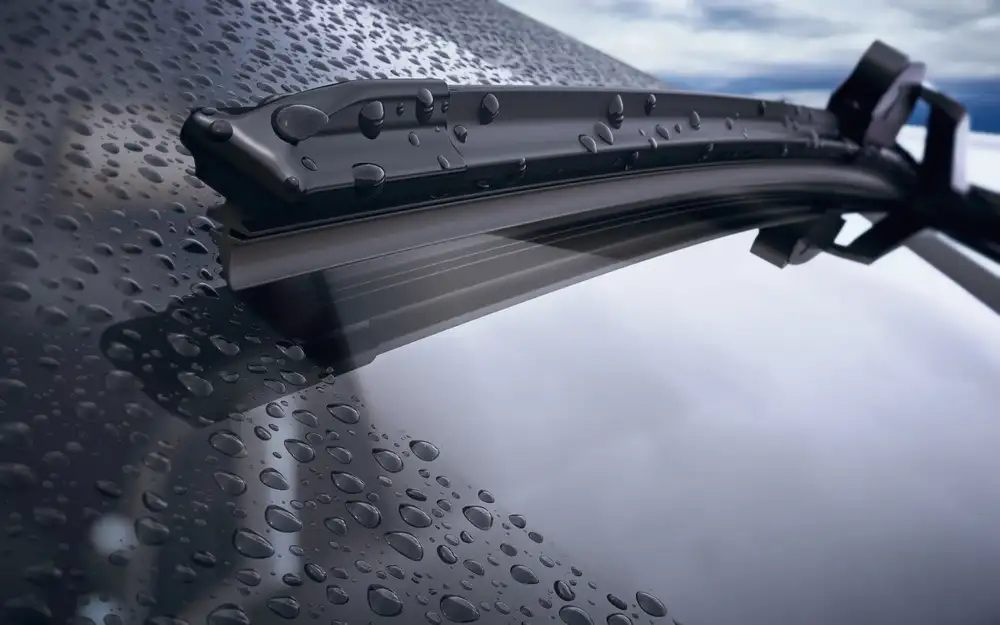
VEHICLE SYSTEMS: LIGHTING AND WIPERS
The human body runs on various systems. We have our circulatory system, skeletal system, respiratory system, and so on. We need each system to work properly to remain healthy. Our vehicles are the same. They contain a series of systems that work together to keep it functioning properly. Each system needs to be properly maintained and taken care of.
This is the seventh in a series of blogs we will be posting about the various vehicle systems and their function. Please also see:
Vehicle Systems: The Brake System Vehicle Systems: The Engine Cooling System Vehicle Systems: Belts and Hoses Vehicle Systems: The Exhaust System Vehicle Systems: Emission System Vehicle Systems: Fuel System LIGHTING AND WIPERS
To put it shortly, the lighting and wiper systems are responsible for maintaining optimal visibility both in and out of the vehicle. The lighting system provides nighttime visibility, signals and alerts other drivers of your intentions, and supplies light for viewing instruments and the vehicle’s interior. The wiper system keeps excessive dirt, water, or snow from building up on the windshield. It removes these things and other debris from the windshield to increase visibility. The chances for accidents increase if you cannot see or be seen, so your vehicle’s lighting and wipers play an important role in safe driving.
The following parts are included in the wiper and lighting systems of your vehicle:
Headlights (high and low beam) Instrumentation lighting Parking lights Fuses Turn signals/emergency flashers Wiper motor Fog lights (optional) Wiper blades Stoplights, tail and marker lights Wiper arm Backup lights Washer fluid reservoir and fluid Interior lights WEAR, TEAR, AND COMMON SYMPTOMS
The lights and wipers are both subject to regular wear and tear and will need occasional maintenance and replacement. Several factors affect the replacement intervals including frequency of use, operating conditions, material and type of lights and wipers, sunny weather (wiper blades deteriorate more quickly in dry, sunny climates).
Common signs that the lighting or wipers need replacement include:
- Rapid signal blinking (lighting)
- Dimming lights (lighting)
- Chattering or streaking wiper (wipers)
If a light goes out on your vehicle, first check the fuse. If the fuse is fine, then immediately replace the bulb. Remember not to touch the glass of the bulb with your fingers. The oils from your fingers leave behind a residue that causes the bulb to run hot, causing it to eventually crack- severely shortening the life of the bulb. You should check your windshield washer fluid monthly. When needed, fill with washer fluid only, not water. Wiper blades should be replaced every six months or when cut, cracked, torn, streaking or chattering.
For more information on headlight maintenance, please read our blog post How to Maintain Your Headlights.
Meridian Automotive provides complete automotive repair in Meridian, Idaho, for most cars, light trucks and SUV’s. For over 20 years we’ve been Meridian’s auto repair experts. Don’t just trust anyone with your automotive repair needs, trust the experts at Meridian Automotive. Call us today (208) 297-5573 or schedule an appointment online.
04/10/2017Read moreTop 3 Tips for Buying the Best Used Vehicle on President’s Day
President’s Day is one of the best times of the year to buy a used vehicle, as dealers are trying to get rid of their winter inventory and many will slash prices. Before you buy a used car, however, you’ll want to do your due diligence to make sure the car you buy is not a lemon. Because once you buy a used vehicle and find out it’s not a good car, it probably will be too late to take back to the dealer. And you will be stuck with it.
So here are our Top 3 Tips for Buying the Best Used Vehicle on President’s Day
- Research used vehicle ratings online. The website Kelly Blue Book.com has ratings and resale values for almost every car available. Look for reliability ratings, average repair costs and common repairs needed. Read this article from Kelly Blue Book about the best used cars to buy.
- To trade in or not to trade in; that is the question. The benefit of trading in your vehicle for another vehicle is that it’s convenient, relatively easy and painless. But you will pay for that convenience, as the dealer will give you less than the retail value of your vehicle. Think of it this way: the dealer buys the car from you at a wholesale price and then resells it at the retail price. If you want to get more money by selling the car at the retail price, you’ll need to sell it yourself. 3
- Get a prepurchase vehicle inspection. Most auto repair shops will perform a prepurchase vehicle inspection for a small fee. You’ll want to make sure it undergoes a thorough inspection so you know exactly what is going on with the vehicle. Make sure the mechanic checks all belts, brakes, hoses, the battery, tires, fluids, transmission, heater, air conditioning system, lights, seatbelts, doors, windows, and everything. Spending a $100 or so before you buy a used car can save you thousands of dollars in heartbreak.
In the end, there are countless used cars out there to choose from but you’ll want to perform your due diligence to make sure you purchase a vehicle that is in good mechanical condition.
At Meridian Automotive we provide prepurchase vehicle inspections for $99. Once you’ve found a car you like, give us a call to have it inspected by one of our experienced and certified auto mechanics. It may take a little extra time, but it will be worth it.
02/14/2020Read moreVEHICLE SYSTEMS: STARTING, CHARGING AND BATTERY
The human body runs on various systems. We have our circulatory system, skeletal system, respiratory system, and so on. We need each system to work properly to remain healthy. Our vehicles are the same. They contain a series of systems that work together to keep it functioning properly. Each system needs to be properly maintained and taken care of.
This is the eighth in a series of blogs we will be posting about the various vehicle systems and their function. Please also see:
Vehicle Systems: The Brake System Vehicle Systems: The Exhaust System Vehicle Systems: Belts and Hoses Vehicle Systems: Fuel System Vehicle Systems: Emission System Vehicle Systems: Lighting and Wipers Vehicle Systems: The Engine Cooling System ABOUT THE BATTERY, STARTING AND CHARGING SYSTEM
Your car’s battery, along with the starting and charging systems, helps ensure reliable vehicle operation in various driving conditions. These systems should be checked regularly.
Parts of the battery, starting and charging system include:
- Alternator
- Battery
- Belts
- Ignition coil(s)
- Ignition module
- Spark plugs
- Spark plug wires
- Starter
Your battery stores electrical energy and the starter converts energy into mechanical force to turn the engine for starting. The alternator produces an electrical current to replace what the starter used from the battery in start-up to support electrical loads when the engine is running. An ignition module turns the low-voltage supply to the ignition coil on and off, and the coil produces the high voltage for the ignition system. This creates the spark at the spark plugs igniting the air/fuel mixture in the engine. A belt will transmit power from the front of the engine to the alternator’s pulley, along with other accessories. If any part of this system fails, you won’t be able to start the car or use any of its electrical components (radio, lights, electric windows, etc.).
WEAR, TEAR, AND COMMON SYMPTOMS
Your driving habits, such as frequent engine on/off cycles can cause more wear on the starter than a trip back and forth to work. Driving and weather conditions, vehicle mileage, vehicle age, and excessive electrical draws like in-vehicle entertainment systems, will also have an effect on the amount of wear.
Signs that it is time to have maintenance performed include:
- Car doesn’t start or struggles to start
- Electrical components don’t work well (lights dim, or flicker, windows roll down slower than normal)
- “Check Engine” and/or battery light comes on
To avoid being stranded on the side of the road or stuck in a parking lot with a car that won’t start, bring your car into Meridian Automotive and have it serviced as soon as you notice any of these symptoms.
Meridian Automotive provides complete automotive repair in Meridian, Idaho, for most cars, light trucks, and SUV’s. For over 20 years we’ve been Meridian’s auto repair experts. Don’t just trust anyone with your automotive repair needs, trust the experts at Meridian Automotive. Call us today (208) 297-5573 or schedule an appointment online.
05/08/2017Read moreGET SOME FRESH AIR: 5 BEAUTIFUL HIKES NEAR MERIDIAN IDAHO
There is no doubt about it, Idaho is a beautiful state. Maybe that’s why we love living here! If you love the outdoors like we do, you love to go hiking. In the Meridian area, there are dozens of beautiful hiking trails that range from easy to extreme and from short to long that will bring you face to face with some of the most breathtaking scenery you could imagine. We put together a list of five beautiful hikes that are close enough to enjoy nature, but still get to sleep in your own bed at night. Enjoy!
This is our pick of the top 10 family friendly things to do in and near Meridian, Idaho:
- Jump Creek Canyon (Falls)
Latitude: 43.480005083 degrees / 43° 28.800' / 43° 28' 48.02?
Longitude: -116.9237592816 degrees / -116° 55.426' / -116° 55' 25.53?
About an hour outside of Meridian, this is a short 0.5 mile round trip easy hike to a beautiful 60-foot water fall. The trail follows Jump Creek from the trailhead. There is some poison ivy that lines the trail, but it is pretty easily avoided. You can also go on a small trail that will take you to a view of the falls from above. You are welcome to go for a swim at the base of the falls. This is a day use only location that is open from sunrise to sunset. - Mores Mountain Trail–
Latitude: 43.7839860261 degrees / 43° 47.039' / 43° 47' 2.35?
Longitude: -116.0857674479 degrees / -116° 5.146' / -116° 5' 8.76?
About an hour and fifteen minutes outside of Meridian, 20 miles north of Boise at 6,600 feet elevation, the trail begins at the Shafer Butte Recreation Area (a fee area). The trail has amazing views of the Boise National Forest and Sawtooth Mountains. You can go on the one-mile loop interpretive trail or the four-mile loop (Intermediate) that offers 360 degree views. This hike is especially beautiful from mid-June to August when there is an abundance of wildflowers. According to the forest service, the hiking trails at Mores Mountain wind through old-growth forests dominated by Douglas-fir and Ponderosa pine, and traverse lush meadows of wildflowers including sticky cinquefoil, scarlet gilia, sulphur buckwheat, lupine, and several species of penstemon. Where the trail skirts near the top of Mores Mountain, a large subalpine meadow filled with blue and purple lupine flowers presents a dazzling display of color in mid-summer. - Table RockTrails are accessible from the Old Idaho Penitentiary parking lot.This hike is about 25 minutes outside of Meridian in Boise. There is a kiosk and directional signage for the trails located in the parking lot of the Old Idaho Penitentiary. The Table Rock trails offer exquisite views of Boise and the Treasure Valley, and is popular among trail enthusiasts for sunset hikes. Table Rock trails are rated as Moderate hikes. Wear a hat and bring plenty to drink as there is little to no shade and no water available on this hike.
- Blue Lake Trail
Latitude: 44.4182795207 degrees / 44° 25.097' / 44° 25' 5.81?
Longitude: -116.1326551437 degrees / -116° 7.959' / -116° 7' 57.56?
A little over two hours outside of Meridian, this hike is well worth the drive. Blue Lake Trail is a gorgeous hike that is suitable for all skill levels. The Blue Lake Trail begins one mile northeast of the Highline Trail on the Naturalist Basin Trail and ends at Blue Lake. There is a steep decent in the beginning, but it smooths out relatively quickly. Just before you arrive at the lake, there are fields of beautiful wildflowers. Before you even embark on your hike there are fantastic views of the lake from the road. Primitive camping is available at the lake, and there is easy shore access for fishing. The hike to the lake is about one mile, so you could do that in and out for a two mile hike, or continue on the trail as it circles the lake making for a total hike of around three miles. When you take the loop, you will be treated to a nice little waterfall. - One Spoon Trail
Latitude: 44.2340075521 degrees / 44° 14.040' / 44° 14' 2.43?
Longitude: -115.9047317505 degrees / -115° 54.284' / -115° 54' 17.03?
An hour and a half outside of Meridian, this is an ideal trail for a short day hike with unusual granite formations and wonderful views of the east side of the Middle Fork. The trail is about five and a half miles in and out and is rated as Difficult. One Spoon Trail is a steep climb on an open ridge shrouded with old-growth ponderosa pine trees. Once you reach the top of the 2,600-foot vertical climb to the ridge, you will be treated with great views in all directions. And, you would have gotten a great workout.
There is really so much a family can experience in Meridian and surrounding areas. Hopefully this list will help you find something fun to do with your family soon!
09/24/2019Read more- Jump Creek Canyon (Falls)
4 VEHICLE EXHAUST COLORS AND WHAT THEY MEAN
Color plays an important role in both driving and auto maintenance. When it comes to driving you know green means go, yellow means slow or caution, and red means stop. In one of our more recent blogs, we mentioned that your dashboard lights are usually color coded, much like traffic lights, so that you can determine their level of importance. So, what does the color of your vehicle’s exhaust mean?
Changing exhaust colors could indicate a few different things. It could be nothing, or it could be a sign that there is something wrong with your vehicle that you need to have inspected. Here is a list of four different exhaust colors and what they could mean for your vehicle. (Please note that the following information is in regard to gasoline engines and is not meant for diesel engines.)
Light or Thin White Exhaust Smoke
It is considered normal when the exhaust coming from your vehicle is light or thin white. This type of smoke is usually just water vapor. You will notice it when you first start your vehicle, especially on cold days. The reason for this form of exhaust is that condensation collects naturally in the exhaust system. This exhaust is common in all gasoline engine vehicles.
Blue/Gray Exhaust Smoke
It is not considered normal for there to be blue/gray exhaust smoke coming from your vehicle. This type of exhaust usually indicates that you have an oil leak and that the engine is burning oil. There are multiple issues that can cause an oil leak, such as worn cylinder walls, leaking valve seals, or damaged piston rings. When there is blue smoke at acceleration, the problem is most likely with the piston rings. If it’s during deceleration, the blue smoke likely indicates that the cylinder head valve guides are damaged. In either case, your vehicle needs to be brought in to a professional. Take note of when you see the blue smoke and share the information with our technician when you bring your vehicle in for service to help them with your vehicle’s diagnosis.
Black Exhaust Smoke
It is not considered normal for your vehicle to be emitting black exhaust smoke. When it is, it typically indicates that your vehicle is burning too much fuel. Several things could cause this to happen, like a blocked manifold, a clogged air filter, a malfunctioning fuel injection system, amongst other possible problems. If your exhaust smoke is black, bring your vehicle in to Meridian Automotive and have one of our expert auto mechanics see why your vehicle is burning more fuel than normal.
Continual, Thick White/Gray Exhaust Smoke
A continual stream of thick white/gray colored exhaust smoke coming from your vehicle is not normal, and likely means you have a leaking head gasket. Automotive writer Paul Brand explains that in the case of persistent, thick white/gray exhaust smoke “the coolant would end up being heated in the combustion chambers and blown out the exhaust as the engine starts.” In the summer, this could quickly lead to an overheated engine. Another possibility for this kind of exhaust to come from your vehicle would be a cracked cylinder head or block, both of which are serious problems that need correcting right away. Putting off repair when your vehicle is emitting continual, thick white/gray exhaust smoke could result in very expensive damage.
If you have noticed a color change in the exhaust of your vehicle, don’t hesitate to visit the automotive professionals at Meridian Automotive. We are here to help you with all your auto repair needs. We provide complete automotive repair in Meridian, Idaho, for most cars, light trucks, and SUV’s. For over 20 years we’ve been Meridian’s auto repair experts. Don’t just trust anyone, trust the experts at Meridian Automotive. Call us today (208) 297-5573 or schedule an appointment online.
11/11/2017Read moreBACK TO SCHOOL SAFETY TIPS FOR TEEN DRIVERS
Summer break is over, and kids and teens throughout the Treasure Valley are going back to school. For some newly-licensed teens, this will be the first school year in which they are responsible for driving themselves to and from school.
IF YOU ARE THE PARENT OF A TEEN DRIVER WHO IS DRIVING THEMSELVES TO SCHOOL FOR THE FIRST TIME THIS SCHOOL YEAR, TEACH THEM THESE TIPS FOR A SAFE AND SUCCESSFUL SCHOOL YEAR:
- Allow for plenty of time to get to where they need to go. Being able to drive themselves to school may give them a little more time to sleep in and get ready for school in the morning because they won’t have to catch a bus or walk to get to school. However, they shouldn’t wait until the last minute to leave either. Sometimes unexpected things happen on the road -traffic jams, car accidents, etc.- and they will want to make sure they have enough time to get around these things and make it to school on time. They should allow themselves plenty of time to get from point A to point B for a less stressful start to their day.
- Wait until some traffic clears to leave school. Remind your teen that as a new driver, navigating a crowded parking lot and making their way around in heavy traffic may be a little more stressful than it is for seasoned drivers. When school first lets out, there is a rush of people trying to leave all at the same time, and it can be a bit hectic. Instead of rushing out, tell your teen to give it a few minutes. It is amazing how even after just five minutes the parking lot has cleared considerably and there will be less traffic for them to deal with. When they do this, they will spend less time sitting in their car in traffic and still make it home in nearly the same amount of time, but with considerably less stress.
- Avoid distracted driving! This goes for all drivers, even those with decades of experience. Your teen should never check their phone, eat, put on makeup, or check on homework assignments when they are behind the wheel. It is probably best if they also avoid listening to their music too loudly, and maybe plan a play list in advance so they aren’t fidgeting with the radio, taking their attention away from the road. Remember, a person need only be distracted for a moment for something to go horribly wrong, so even a quick glance at a phone or stereo is not as harmless as it may seem. This is especially true in crowded school traffic. Remind teens that they share the road with other motorists and sometimes pedestrians, and their life is not the only one at risk when they are behind the wheel. They need to keep the road a safe place and avoid distractions when they drive.
- Don’t allow them to drive friends around until they are more confident behind the wheel. Your teen will probably believe that it sounds fun to be able to drive their friends to school or bring them home after, however, as a new driver in uncharted territory, doing so could wind up being more of a distraction. They should wait a few weeks until they are more confident in their abilities before offering up rides to friends.
*Teens should also keep Idaho state laws in mind when it comes to transporting friends. Teens under 17 years old, can have only one passenger who is also under 17 years old unless that passenger is a member of their family. This restriction lasts for 6 months from the date they get their driver’s license. Teen’s under the age of 16 have additional rules to follow. They can drive alone ONLY during the day. At night, they can drive when accompanied by a licensed driver who is at least 21 years old and is sitting in the front passenger seat. They can have no passengers in the front seat other than the supervising driver.
- Keep the gas tank filled. Make sure your teen is keeping an eye on the gas gauge. It would make a rough start to their day if they wound up stranded on their way to school. Teach them to fill up after school when they realize the tank is low so that the vehicle is always ready in the mornings. Remind them that they should never wait until the tank hits empty to fill up, and should instead try and make it a habit of filling up when the tank is about a quarter full.
- Plan their route. They can avoid unwanted surprises their first time driving to school by planning in advance. Before school starts for the school year, let them take some time to learn traffic patterns and the best route from your home to the school parking lot. Maybe take a few practice trips with them so they are more confident in their route.
- Allow for room on the road. Your teen should keep in mind that a lot of the people they will be encountering on the drive to and from school are also new drivers, and some may be even less experienced than they are. They should allow themselves and all other motorists plenty of room to maneuver, park, and stop. Remind them to be patient with themselves and others.
- Keep it slow. Speeding is a factor in most accidents on the road, so remind your teen of the importance to only drive the posted speeds. They need to pay extra close attention to their speed in the school zones.
- Inspect the vehicle before school starts. Avoid a break down making your teen late for school and have their vehicle inspected before the school year begins. Make sure that no warning lights are illuminated, all the lights and wipers work, and check that the tires are in good condition and the right pressure. It’s better to be safe than sorry!
Your teen has reached a major milestone when they can drive their car to school for the first time! Congratulations! We hope that the above tips help them enjoy a safe and successful school year. If you need help making sure your teen’s vehicle is in its best shape, schedule an appointment with the experts at Meridian Automotive. We provide complete automotive repair in Meridian, Idaho, for most cars, light trucks, and SUV’s. For over 20 years we’ve been Meridian’s auto repair experts. Don’t just trust anyone with your automotive repair needs, trust the experts at Meridian Automotive. Call us today (208) 297-5573 or schedule an appointment online.
08/30/2017Read more2018 TOP HOLIDAY EVENTS IN THE MERIDIAN IDAHO AREA
It’s the most wonderful time of the year… The holiday season is upon us and that’s why we’ve put together a list of holiday events and activities around the Treasure Valley for you and your family to enjoy!
Winter Garden aGlow- Boise
- November 22, 2018 – January 1, 2019
Gates open at 5:30pm through 9:30pm (last admission 9:00pm)
Where:
More Information: click here
Price: Advanced Tickets: $10 Adult | $8 Member & Youth (5-12) | Free, 4 years old & younger
Tickets at Gate: $12 Adult | $10 Member & Youth (5-12) | Free, 4 years old & youngerYou might have seen the garden in full bloom in the summer, but have you seen it lit with over 400,000 lights in the winter? Don’t miss out on an opportunity to see the sparkle and dazzle at the Winter Garden aglow!
Morrison Center: BSU Annual Holiday Concert
When: December 7, 7:30 pm
Where: Morrison Center BSU, Boise
More Information: click here
Price: $10 Adult , $8 Senior 60+, $2.00 Children and Non-BSU StudentsBoise State Family holiday concert presented by the Department of Music at Boise State University
Boise Towne Square Mall: Photo with Santa
When: December 7, 2018
Where: 350 North Milwaukee Boise, ID 83704Want family Christmas photos? Make your way down to the Boise Townsquare Mall now through December 24th to have pictures with Santa!
Morrison Center: Ballet Idaho – The Nutcracker
Enjoy this beloved holiday classic. Over 100 children will join the Ballet of Idaho professional company members on stage for the last year before the unveiling of the new production in 2019.
Boise Philharmonic: Holiday Pops
When: December 7, 7:30 pm
Where: NNU Brandt Center, Nampa
More Information: click here
Price: check the seating chart at the link aboveCome on down, bring the family and experience a musical adventure with Boise’s oldest and largest performing arts company!
CITY SANTA- Saturdays at D.L Evans Bank
When: Saturday December 1-15, 10am-2pm
Where: D.L Evans Bank on the corner of 9th and main street (Boise)
Bring the kids and come and see Santa! Photos with Santa are free, and any donations go to the Women’s and Children’s Alliance
Boise Classic Movies- Holiday Showings!
When: December 6 – December 22
Where: Egyptian theatre 700 W. Main St. at 7pm
Movies: Thursday, December 6: White Christmas
Saturday, December 8: Muppet Christmas Carol
Thursday, December 13: A Christmas Story (21+)
Friday, December 14: A Christmas Story (All Ages)
Wednesday, December 19: A Wonderful Life
Thursday, December 20: Love Actually
Saturday, December 22: Christmas Vacation2018 Famous Idaho Potato Bowl
When: Friday December 21, 2pm
Where: Albertson’s Stadium, Boise State University
35TH ANNUAL YMCA CHRISTMAS RUNWhen: Saturday, December 22, 10:15am
Where: Boise High School
Want to start a new holiday tradition with your family? Celebrate this holiday season by running, walking or strolling as a family! Bring your festive cheer with bells, lights, costumes, carolers and Santa! At the end of the race enjoy some hot soup and bagels from local vendors.
Miracle on Idaho Street
When: Christmas Day, 10am-3pm
Where: Old Chicago Restaurant 730 W. Idaho St.
Tis the season for opening our hearts and giving. Over 1,000 of Boise’s homeless and displaced will arrive at Old Chicago on Christmas day to enjoy a warm and welcoming celebration. Starting with a meal with all the trimmings, a finely dressed table, and generous gifts to open. New gifts like warm clothing, toys, story books, school supplies and blankets will be gifted. Don’t forget that each guest will be able to end their night with a visit and picture from Santa himself.
Idaho Potato Drop
When: New Year’s Eve, 3pm- 1am
Where: Idaho’s State Capital
You won’t want to end your holiday season any other way than by ringing in the New Year at the Idaho Potato Drop. This is Idaho’s signature event and it is best experienced LIVE! This is a free, charitable event so come one come all!! Bring your family and friends and ring in the New Year, Idaho style!
12/06/2018Read moreHOW’S THE VIEW? THE IMPORTANCE OF THE WINDSHIELD AND WINDSHIELD WIPERS
When you think about vehicle maintenance and safety, what’s the first thing that comes to mind? It is probably safe to assume that the windshield and windshield wipers are not at the top of the list.
The purpose of the windshield is in its name. It is a shield, there to protect the driver and passengers from the elements and debris. Think of the windshield as a sort of “glass sandwich”; two layers of glass with a polyvinyl layer of glass in between. It connects to the car with silicon, it is water resistant and provides protection from the outside world. Just think of all the things your windshield protects you from:
- Rain or snow
- Dust and rocks
- Pollen
- Leaves and grass
- Trash
- Tire pieces
- Bird droppings
- Insects
The windshield should be considered an important safety feature of your vehicle. In the event of an accident, there is a chance that the glass could break, but the flexible polyvinyl it contains will help soften the blow. Many years ago, windshields were made of typical window glass, but over time and after many harmful or deadly accidents, auto manufacturers realized that this is not a good idea. Several years and experiments later, experts discovered the ideal combination of glass and polyvinyl used today, increasing motorist’s safety levels. Advances in technology have even lead to the development of windshields that contain UV layers to protect motorists from radiation and tinting for protection from the sun and increased visibility.
Speaking of visibility, according to repairpal.com, around 80 percent of motor vehicle accidents are contributed to poor visibility. Your windshield, as well as your wipers, are extremely important factors in your ability to see well while driving. Windshields can become damaged and cracked by some of the debris that they encounter. Cracks can become rather large putting you at risk in a couple of ways. One is that the crack impairs your ability to see out of the windshield clearly. The other is that when a windshield is severely cracked it becomes weak and shatters more easily in the event of an accident. Keep in mind that windshields cannot be repaired. If they are damaged they must be replaced. Cracks that are 18 inches or longer, or are edge cracks, should be replaced immediately for your safety and the safety of others.
All the above listed items that your windshield protects you from can gather on your windshield and need to be cleared off while driving for your best visibility. This is where the wipers come into play. If you need to clear debris, rain, or other build up from your windshield and your wipers are worn, you could instead smear the contents around creating a bigger blur as opposed to clearing it up.
Like your belts and hoses, the wiper blades are typically made of rubber which breaks down over time. In contrast to the belts and hoses, the wipers are openly exposed to the elements, causing them to break down quickly, especially in the hot summer months. For this reason, the wipers should be changed at least every six months, but never longer than once a year. Unfortunately, as stated by repairpal.com, the average driver only replaces their wipers every two and a half years- which could explain the high accident rate associated with poor visibility. Signs that your wiper blades need replaced include:
- They leave streaks on the windshield
- They are skipping across the windshield instead of a glide
- They are visibly worn down
- They have started splitting
- The frames are bent
It is hard to deny the importance of your windshield and windshield wipers. If your windshield is not as clear as it should be you should make it a priority to have it taken care of as soon as possible.
At Meridian Automotive we are here to help you with all your auto repair needs. We provide complete automotive repair in Meridian, Idaho, for most cars, light trucks, and SUV’s. For over 20 years we’ve been Meridian’s auto repair experts. Don’t just trust anyone, trust the experts at Meridian Automotive. Call us today (208) 297-5573 or schedule an appointment online.
08/11/2017Read more2019 HOLIDAY LIGHTS AND ACTIVITIES NEAR MERIDIAN, IDAHO
t’s the most wonderful time of the year! That’s right the holiday season is here and as you know, the people at Meridian Automotive love being active in the Meridian, Idaho community. There are a lot of really great things going on in Meridian (and the surrounding areas) this time of year so we thought we would share some with you.
Here are eight great things happening in and around Meridian this 2019 holiday season:
Winter Garden aGlow
Where: Idaho Botanical Garden
When: November 28, 2019 – January 4, 2020
Time: 6:00pm – 9:00pm
Cost: $12/adult, $10/child (4-12), Free three and under
Website: https://idahobotanicalgarden.org/event/winter-garden-aglow-2019/2019-11-28/
This holiday season see the 14-acre botanical garden transformed into a winter wonderland with over 500 thousand twinkling lights. Enjoy live music, visit Santa and make lasting family memories. If you haven’t finished shopping, stop in the Garden Store for the perfect holiday gift.
Magic of the Holidays Light Show
Where: The Village at Meridian, above Anthropologie
When: December 12, 2019 – December 23, 2019
Time: Every half-hour from 6:15pm – 10:45pm
Cost: Free
Website: https://www.thevillageatmeridian.com/
The Village at Meridian with the help of animation expert Paintscaping Inc. has transformed one of the iconic Village at Meridian buildings into a holiday light show experience for the 12 days of Christmas! All ages can enjoy the show which alternates with the phenomenal fountain show which choreographs lights, fountains and holiday music every hour on the hour and on the half-hour. The Magic of the Holiday show will take place above Anthropologie.
Children’s Winterland Festival
Where: Meridian Boys and Girls Club
When: Saturday, December 14, 2019
Time: 10:00am – 3:00pm
Cost: Free with a donation to the Meridian Food Bank
Website: http://www.christmasinmeridian.org/winterland.html
Enjoy Christmas themed games, photos with Santa, ornament decorating, cookie decorating, letters to Santa and so much more! Booths at the event are all run by volunteers from local organizations, businesses, and people who want to help their community.
Twilight Christmas Market
Where: Meridian City Hall
When: Wednesday, December 11, 2019
Time: Noon – 7:00pm
Cost: Free
Website: http://www.christmasinmeridian.org/market.html
For several years, Meridian City Hall has hosted a unique shopping experience with its weekday Christmas marketplace featuring hand-crafted gifts. This year the event takes place on Wednesday, December 11. Enjoy seasonal foods and holiday treats while you shop.
36th Annual Christmas Run
Where: Boise High School
When: Saturday, December 21, 2019
Time: 10:00 am – 1:00 pm
Cost: $35 adult, $25 child
Website: https://www.ymcatvidaho.org/runs/christmas-run/
Celebrate the holidays as a family and create a new tradition by running or walking together in the YMCA’s annual Christmas Run. At the finish line, treat yourself to hot soup and bagels. Don’t forget to stop by the annual Christmas Costume Contest which will occur at 9:30 am on the steps of the Boise High School.
Christmas on the Farm
Where: Lowe Family Farmstead, 2500 South Eagle Road in Kuna
When: Fridays and Saturdays December 6, 2019 – December 21, 2019
Time: 5:00pm – 9:00pm Fridays, 2:00pm – 9:00pm Saturdays
Cost: $12, children three and under are free
Website: https://www.farmsteadfestival.com/christmas
Admission includes a visit with Santa, Christmas cookie decorating with Mrs. Claus, sleigh ride and the chance to meet REAL reindeer- Juniper & Evergreen. Firepits are available to rent, and trees are for sale (while supplies last).
Breakfast with Santa
Where: Chick-fil-A, Village at Meridian
When: Saturday, December 7, 2019, and Saturday, December 14, 2019
Time: 7:30am
Cost: $10
Website: https://www.facebook.com/events/512901759529426/
Enjoy a festive morning filled with breakfast, a fun holiday activity, and pictures with Santa himself!
Idaho Potato Drop
Where: Idaho State Capitol
When: Tuesday, December 31, 2019
Time: 3:00pm – 1:00am
Cost: Free
Website: https://idahopotatodrop.com/
Ring in the New Year at Idaho’s signature event, the Idaho Potato Drop. This family event features live music, great food, fireworks and more! Don’t miss your opportunity to bring in the New Year Idaho style!
Happy Holidays from everyone here at Meridian Automotive! We hope our list helps you enjoy some quality time with the ones you love, this holiday season.
Meridian Automotive – Professional Car Repair Service You Can Trust!
If you are looking for professional car repair or maintenance service give us a call at (208) 888-3797 or schedule an online appointment today!
12/05/2019Read more3 GLOBAL AUTOMOTIVE INDUSTRY TRENDS IN 2019
In the past twenty years, the automotive industry has undergone extensive transformation. These changes include increased standardization, computer-aided design, significantly better fuel efficiency, and added technological features such as keyless ignitions, GPS navigation systems, and rear-view cameras. New cutting-edge technologies and inventions are continuing to shape the automotive industry in 2019. These current industry trends have mainly focused on digital transformations, which help adapt your vehicles to a life of network connectivity. Automobiles are in a state of transition, as manufacturers scramble to meet the ever-changing needs and expectations of consumers. Here are 3 global automotive industry trends we saw in 2019.
- Automotive sensors. Currently valued at $22 billion, the automotive sensors market is expanding rapidly. These sensors help measure and analyze your car’s performance by detecting, recording, transmitting, and displaying performance information. Ultrasonic, radar, and camera sensors help you better view the surrounding area and drive more safely. Automotive sensors are broken down by types, which include temperature, gas, pressure, motion, and MEMS (Micro-Electromechanical Systems). Trends that are currently driving the global automotive sensors market are miniaturization, and improved integration so that the sensors don’t interfere with your car’s functionality.
- Vehicle-to-vehicle connectivity (V2V). V2V technology allows vehicles to “talk to each other” while driving. V2V does this by collecting and sharing data on speed and road conditions. The National Highway Traffic Safety Administration has proposed a rule requiring all vehicles to implement V2V connectivity by 2023. V2V shows great promise in helping to avoid accidents, mitigating traffic to ease congestion, and reducing fuel consumption and toxic emissions being released into the environment.
- AI (Artificial Intelligence) interfaces. AI is being implemented at rapid-fire speed in the auto industry in a variety of sectors. These sectors include the following:
- Driver assistance. AI can act as a co-pilot, monitoring sensors and identifying potentially dangerous situations. It can alert the driver and even take control of the wheel in emergency situations. Driver assisted AI also includes emergency braking and blind spot monitoring.
- Driverless cars. Despite the ability of modern computer systems, conventional programs are not capable of handling driverless vehicles. The main reason for this is that driving involves more than just following a specific algorithm; it also involves learning. Autonomous technology is being created to allow for flexible vehicle handling without error. This new software will enable cars to navigate complex traffic situations. AI used to allow for driverless cars will help ensure safer driving conditions, less pollution, and reduced traffic congestion.
- The Waymo project. Waymo, which began as a Google self-driving car project in 2009, is now known as the new way forward in mobility. Waymo’s mission is to help implement self-driving technology worldwide, improving mobility and saving lives. Their AI software uses data from your car’s radar, high-resolution cameras, and cloud services to help operate the vehicle. These AI algorithms can predict what objects and people in your car’s path of travel are likely to do. Waymo’s technology can constantly learn and adjust to road conditions as it navigates your vehicle. This results in a virtual network of self-driving cars that learn as they go.
Meridian Automotive, a full-service automotive service and repair shop in Meridian, Idaho, has been faithfully serving the local community for more than 25 years. We stand by all of our work by offering a parts and labor warranty that exceeds industry standards. We have numerous credit and financing options available, and always aim for same day service. So for all of your automotive repair and service needs in the Meridian or Boise area, you can trust our expert mechanics. Just schedule an appointment online or give us a call at (208) 994-5591.
10/10/2019Read moreMERIDIAN AUTOMOTIVE SELECTED AS A BETTER BUSINESS BUREAU 2018 TORCH AWARDS FINALIST
Meridian Automotive announced that they have been selected as a Better Business Bureau 2018 Torch Awards Finalist. The Better Business Bureau’s annual Torch Awards honor businesses and charities in Alaska, Washington, Oregon, Montana, Hawaii, Idaho, and Western Wyoming that demonstrate excellence in the marketplace. Meridian Automotive is one of many companies who have been chosen as finalists. Winners will be announced in mid-November.
“When we started this business 25 years ago, our #1 goal was to build a business of integrity. It’s perfect timing to be recognized for all of our efforts. We couldn’t have done it without the great people who have worked for Meridian Automotive over the years as well as the support of the Meridian community. To everyone, we say, Thank You!” says John Nesmith, founder of Meridian Automotive.
The Torch Award is the most prestigious BBB award presented to exceptional businesses and charities for their dedication to integrity and ethical business practices. Recipients generate a high level of trust among employees, customers and their community, and most importantly embody BBB’s mission of advancing marketplace trust.
The whole list of finalists can be found here.
09/26/2018Read moreTop Reasons Why Car Maintenance Is Important: Keep Your Vehicle Running Smoothly
By taking care of your vehicle, you can help ensure that it runs smoothly for years to come.
Car maintenance experts at Meridian Automotive suggest that you should change your oil every five thousand miles or six months.
Car maintenance is crucial for keeping your vehicle running well.
Here are some other reasons why regular car maintenance service and tune-ups can help keep your vehicle in top condition:
Save Money on Auto Repairs
One of the top benefits of regular car maintenance is that it can help you save money on auto repairs.
If you take care of your vehicle, it will be less likely to need significant repairs down the road. It means that you won’t have to spend as much on auto repair bills.
Keeps your Car Efficient
When you take your car in for a tune-up, the mechanics at a trusted auto shop, you’re maintaining your vehicle’s performance at an optimal level.
At Meridian Automotive, we will check all engine systems to ensure that all auto parts are working efficiently.
We’ll test the engine, brakes, and other essential components to ensure they’re all working well.
Boosts Car Safety
With regular tune-ups and service, the mechanics will be able to detect potential problems and fix them before they become worse.
It means that your car will be less likely to break down on the road, and you’ll be less likely to get into a car accident.
Save on Fuel Costs
When you take care of your vehicle, it will be more fuel-efficient. It means that you won’t have to fill up as often.
Car maintenance can help keep your vehicle running smoothly for years without any issues or breakdowns. Car maintenance is essential for protecting the value of your car and keeping yourself safe on the road.
Reduces Car Depreciation
Car depreciation can occur over time due to wear and tear.
Car maintenance helps keep your vehicle in good condition. It will hold its value better than if you neglected regular service and tune-ups.
If you’re looking to sell your car in the future, regular car maintenance will be one of the key factors that potential buyers will look at.
How often should you bring your vehicle for a car maintenance service?
Your vehicle’s owner’s manual will provide information on how often you should bring it in for a service. Car maintenance and tune-up services vary based on the type of car you have, your driving habits, and other factors.
However, most cars can benefit from regular oil changes every three thousand to five thousand miles or six months.
If you’re unsure if your car needs a maintenance service, the mechanics at Meridian Automotive can help you.
12/07/2021Read more3 SIMPLE THINGS YOU CAN DO TO AVOID HIGH AUTO REPAIR COSTS
People are never happy when their vehicle needs major auto repairs because most of the time, these repairs are expensive. However, we have noticed that a significant number of auto repairs can be avoided by doing three simple things:
- Follow the maintenance schedule as indicated in your owner’s manual for your vehicle
- Establish a relationship with a local mechanic you can trust.
- Practice good car care habits.
You probably didn’t blink over the first two. But what about the third? Here’s a list of poor car care habits we think are the most harmful to your car.
Are You Guilty of Any of the Following Poor Car Care Habits?
Car trouble can hit you anywhere. You can’t always avoid driving on poorly maintained roads nor can you predict unexpected trouble like a tire blowing out.
There are some things you just can’t control. However, what you can do is limit the number of car repairs and potential car trouble issues by avoiding these common car care mistakes —
Ignore the Need for Taking your Car for Routine Maintenance
The number one advice we give to all our clients and would like to give to all our readers here is to never fall back on regular servicing.
Top 3 reasons you should maintain a schedule of routine servicing:
- Professional servicing not only helps in addressing any current trouble areas, but it can also help in preventing issues from cropping up in the future.
- Regular maintenance can help you avoid potentially high repair costs because a mechanic will give your car a complete check during servicing.
- It can help slow down regular wear and tear since all the parts will be sufficiently lubricated, replaced, or fixed during servicing which means the efficiency levels are maintained and your car will continue to run longer.
Ignore Important Car Fluid Levels
Many fluids are required to keep your car running. Here’s what you need to know:
- When you ignore the level and quality of engine oil, brake fluid, transmission oil, coolants, power steering fluid, and lubricants, the damage can build up from small parts like the seals and rings to bigger parts such as the pistons and valves or even your power steering.
- Always check fluids based on what is mandated in your car manual.
- If you find the task difficult or are unable to find the time, a professional mechanic will be able to conduct the checks, clean the parts, and refill or top up the liquid levels.
Ignore Warning Lights on Your Dashboard
If your car dashboard warning lights come on, take it seriously!
- Your car manual will contain information on the lights and the corresponding issue they are meant to warn you about.
- If you can’t identify the trouble area(s), especially in the case of the “check engine” light, it is best to have a professional mechanic run some diagnostics to identify the underlying cause.
02/04/2019Read moreMERIDIAN AUTOMOTIVE WINS 2018 BBB NORTHWEST + PACIFIC TORCH AWARD FOR ETHICS
Meridian Automotive of Meridian, Idaho, was one of seven companies in the Pacific Northwest to be awarded the prestigious 2018 BBB Torch Award for Ethics.
Better Business Bureau’s annual Torch Awards honor businesses and charities in Alaska, Washington, Oregon, Montana, Hawaii, Idaho, and Western Wyoming firms whose business practices and related activities exemplify BBB’s mission and principles to ensure the marketplace remains fair and honorable.
“It’s an honor to represent Idaho for this award! Thank you to our families, friends, customers, vendors and our community for your support over the last 25 years. We couldn’t have made it without you,” says John Nesmith, owner of Meridian Automotive.
Meridian Automotive was one of many Idaho-based companies vying for this award.
For the complete list of winners go to: https://trust-bbb.org/torch-awards/
11/20/2018Read moreThe 5 Signs You Need an Auto Car Battery Replacement
As a result, you’ll need to change your automobile batteries from time to time.
The battery will last longer depending on the care you give your car and other factors. If left unused for long periods, a dead battery can be caused by draining gradually.
Here are a few signs that you need an auto car battery replacement service for your vehicle:
Difficulty in Starting the Car Ignition
Having difficulty starting your car is a telltale sign that something is wrong with your vehicle. When you turn the key, it should crank right away without too much effort on your part. If it feels like it’s taking a lot of tries or if it just won’t start at all, there might be an issue with your battery.
If it takes more than five or six tries, or if the engine won’t turn over at all, there is something wrong with the battery, and a replacement is necessary.
Flickering Lights
Another common sign that you need a new battery is flickering lights. When the battery starts to wear down, it can’t provide as much power to the car. It will cause the lights to flicker intermittently or not at all.
Dashboard Warning Lights
Some warning lights do not indicate a battery problem. But if you see several of them, it might be time to replace your battery.
It’s important to note that some cars have a “maintenance required” light which will come on after a certain amount of miles driven.
If you’re unsure whether or not you need a car battery replacement, contact the mechanics and technicians at Meridian Automotive Complete Auto Care in Meridian, ID.
Electrical Vehicle Issues
If the windows are rolling up and down slowly or if the audio system is acting up, it could be a sign that the battery needs a replacement.
Other issues can occur due to a bad battery, so you should always have it checked if you’re having problems.
If you’re noticing any of these signs, don’t wait, bring your car to Meridian Automotive Complete Auto Care.
Corrosion on the Battery Terminals
Over time, the chemicals in the battery will eat away at the metal and cause it to corrode. If you see any corrosion, it’s essential to clean it off and have your battery checked as soon as possible.
Auto Car Battery Maintenance is Critical to Extending the Lifespan of Your Vehicle’s Battery
Auto car battery replacement is something that all car owners will have to deal with at some point. Being aware of the signs that indicate a problem, you can extend the lifespan of your battery and avoid getting stranded on the side of the road.
If you’re having any issues with your car battery or if it’s time for a replacement, the team at Meridian Automotive Complete Auto Care is here to help.
At Meridian Automotive Complete Auto Care, we offer auto car battery replacement, service, and maintenance to drivers in the Boise area.
Meridian Automotive Complete Auto Care, Your Auto Car Battery Replacement Service Expert in Meridian, ID
Meridian Automotive Complete Auto Care in Meridian, ID, provides a wide range of auto car battery replacement services. We offer a wide range of auto-car battery services to keep your vehicle running smoothly.
Contact us at 208-888-3797 today to schedule an appointment!
02/28/2022Read more6 Easy Steps To Find Trustworthy Mechanics near me Meridian ID
Nobody wants to be in the middle of the road due to a car breakdown. Luckily, it is easy to keep car issues at bay. All you need to do is follow maintenance schedules and find a reliable Mechanics near me Meridian ID. Maintenance is necessary for any vehicle. However, regular maintenance is most effective when done by a credible automotive expert. Not all mechanics can provide stellar service. That is why you should start by looking for an auto repair shop you can trust.
Finding The Right Automotive Repair Shop Is Crucial
1. Do your research ahead of time
Never wait for your car to break down before you take it to an auto repair shop. It is best to have your automobile checked regularly to keep it running perfectly. If you don’t have a list of Mechanics near me Meridian ID, now is the time to make one. Start by making a list of automotive experts in your area before your next scheduled maintenance. There are many reliable mechanics in Meridian, Idaho. All you need to do is search for them.
2. Gather information online
The internet holds a wealth of information about everything you could ever need. Do a localized search on auto repair shops in your area. You could check Yelp, Google, or Facebook. A quick online search will likely give you every bit of information you need. If you live in Meridian, Idaho, you may visit Meridian Automotive to skip this step.
3. Get some recommendations
If you are not sure about the information you get on the internet, you can always rely on good old recommendations. Ask the people you know for references. Everyone you know who owns a car is bound to know a mechanic or two. The best thing about asking for recommendations is the certainty that you’ll get the info you need.
4. Refer to the BBB website for complaints
Once you have made your list of auto mechanics, check each company on the Better Business Bureau website. There, you could look for any past or present complaints. You can learn a lot about auto repair shops on BBB.
5. Check for certifications
Reasonable rates aren’t enough when it comes to auto care. You should always take your car to a reliable and certified auto repair shop. The shop must be certified by either AAA or ASE. Certifications assure car owners that their vehicles are maintained and repaired by qualified mechanics.
6. Always get a second opinion
Before you decide where to take your car for regular maintenance, get a second opinion. If you have any doubts about the company, ask around. Don’t settle for any auto repair shop unless you are sure that the auto repair shop can deliver the kind of results you need.
The Questions To Ask Mechanics Near Me Meridian ID
Being inquisitive can help you find the best Mechanics Near Me Meridian ID. Here are questions to ask your new mechanic:
- How many years have you been on the job?
- Do you offer free estimates?
- What car brands do you service?
- What type of training and certifications do you have?
A Reliable Auto Mechanic Can Make A Difference
Meridian Automotive offers top-of-the-line automotive services in Meridian, Idaho. We are an AAA-approved auto repair shop, offering different kinds of car services. We hire trained and ASE-Certified mechanics to bring you nothing but the best automotive service around. Visit our website for more information on our services. Schedule an appointment today or call us at 208-888-3797.
09/28/2021Read morePREPARING FOR YOUR PERFECT FAMILY ROAD TRIP
Summer is the time of year that most families take their family vacations. For many, these vacations consist of road trips. The quickest way to put the brakes on a great family road trip is with an emergency. In fact, this summer alone, AAA is expecting to receive assistance calls from over seven million stranded motorists across America. When you plan ahead and prepare properly, you can minimize that risk.
AAA offers these precautionary tips to help you prepare for your perfect family road trip:
VEHICLE MAINTENANCE
Driving around in the summer heat can be hard on a vehicle, especially if it has not been maintained properly. “An ounce of prevention can be worth a pound of cure,” states AAA. The best thing you can do to prepare your vehicle for a road trip and prevent car trouble is to have your vehicle inspected by an automotive technician before you go. This way, if they see any issues, or anything that could become an issue, it can be addressed before you are stranded away from home. At the minimum, you need to take care of the following:
- Tires. Make sure that all tires, including the spare, are properly inflated to the correct psi. Make sure you check the tires before driving, as hot tires can give inaccurate readings. Check that the tire tread is in good condition, looking for uneven or excessive wear. If the tire is worn past 2/32 of an inch it is time to have it replaced. If you are unsure, look for the tread wear indicator on the tire or perform a penny test.
- Coolant. Check the coolant level and condition. Make sure the proper 50/50 mixture of water and coolant is present.
- Engine oil. Check the level and condition of the engine oil. If you will be driving under extreme conditions – such as very hot summer weather or pulling a heavy trailer – you may want to consider switching to an oil with higher viscosity. Check your owner’s manual for specific recommendations.
- Belts and hoses. Make sure the engine is off and check for blistered, cracked, soft, or worn belts and hoses. Replace any that need it before they become a problem. If they break while driving, belts especially, can cause some serious engine damage.
- Battery. Hot summer weather can shorten the life of a car’s battery. Check your battery for cracks, corrosion, and loose wires. If your battery is three years or older, you should have it tested by a qualified automotive technician before your road trip.
- Brakes. Check the brakes and change the pads before travelling long distances. The essential brake components that need to be checked before traveling include the pad, lines, and fluid. Remember, when the pads have little material left, they will begin to make noise due to a metal indicator built into them. If you are hearing this sound, they need to be changed.
- Air conditioning. Have the HVAC system inspected for proper function as proper cooling performance is crucial for interiorcomfort.
- Wipers and lights. Visibility is important on the road and you need to make sure that not only can you see, but that other motorists can see you. Make sure all exterior lights are working and that you clean foggy headlight lenses. Replace worn wiper blades to make sure that if you wind up stuck in a storm that you will be able to see clearly.
- Emergency kit. Carry an emergency kit with a flashlight, extra batteries, warning devices such as flares or reflective triangles, jumper cables, a first-aid kit and extra water. Be sure to fully charge cell phones before starting your journey.
TRAVEL PREPARATION
To keep your road trip running smoothly it will require a little more than just vehicle preparation. There are other preparations and considerations to take into account including:
- Maps. Select your route on a map ahead of time and study it to know exactly where you’re going. If you have a GPS or a cell phone with an app like Google Maps, those are fine to use, but you should not solely rely on them. Pack a paper map as well, just in case your batteries die or you lose service.
- Gas. You don’t want to run out of gas in the middle of nowhere. Make it a habit of not letting your gas level drop below one-quarter of a tank.
- Hotels. Reserve all accommodations in advance. The last thing you want to have happen is arriving at your destinations only to find that you have nowhere to stay!
- Security. Make sure you lock your car and keep valuables out of sight when you leave it.
- Passenger safety. Secure children and adults in safety seats, booster seats or seat belts as required by law. Also, if your furry family member is along for the fun, make sure you are using safety precautions with them as well.
- Comfort. Bring snacks, books, games, and/or music for the ride, and a pillow so passengers can sleep. Maybe pack an extra blanket so someone who may be a little more sensitive to the AC can remain comfortable.
- Excitement. At times road trips may become overwhelming for kids. Keep up their excitement about the journey. Bring destination information and discuss all the fun activities that lie ahead. You can also keep them excited about your adventure by having them help you track your trip progress on a map.
If you would like help making sure your vehicle is summer road trip ready, give us a visit. Meridian Automotive provides complete automotive repair in Meridian, Idaho, for most cars, light trucks, and SUV’s. For over 20 years we’ve been Meridian’s auto repair experts. Don’t just trust anyone with your automotive repair needs, trust the experts at Meridian Automotive. Call us today (208) 297-5573 or schedule an appointment online.
07/10/2017Read more10 THINGS YOU SHOULD KEEP IN YOUR VEHICLE IN THE WINTER
Everyone knows the importance of keeping a roadside emergency kit in your vehicle at all times. In the winter, when weather patterns become unpredictable and roads could be covered with snow and ice, these kits become even more important. Make sure these 10 items are in your trunk this winter before the first snow and you will be prepared for just about anything the winter road conditions send your way.
1. Portable Phone Charger
The last thing you want is to be stuck on the side of the road in the snow and cold with a dead or dying cell phone. Make sure you keep a car charger in your vehicle as well as a portable battery charger. If your problem is with the car battery, a charger that plugs into your vehicle directly won’t be any help. On the other hand, a portable charging device of some sort that can charge your phone wherever you are regardless of whether your vehicle starts or not could be a lifesaver.
2. Shovel
Should you need it, having a shovel with you to dig out around a tire that has become stuck in a mud puddle or a snow pile will really come in handy. It’s unrealistic to carry around a full-sized shovel, so purchase a foldable, compact model that will store nicely in your trunk and take up minimal room.
3. Ice Scraper
If you park outside in the winter, you run the risk of your vehicle becoming frosted with a layer of snow and/or ice. You should keep an ice scraper in your vehicle so that you can clear off your windshield, windows, mirrors and lights before you drive. This is an important safety issue as you are ensuring your car is visible to other vehicles and that you can see when you’re on the road.
4. Bag of Kitty Litter or Sand
There are a couple of benefits to keeping a bag or two of kitty litter or sand in your trunk. One is that the added weight to the trunk will help rear-wheel vehicles keep traction on slick roads. The other benefit is that the kitty litter or sand can be dumped around your tires if they become stuck in slush or snow. It provides the extra grit the tires need to achieve traction and get you back on the road.
5. Flares or Hazard Triangles
If you find yourself on the side of the road, whether it be from a skid, car accident, or other vehicle failures, setting out flares or hazard triangles will alert other motorists to your location. In inclement weather, which often causes limited visibility, these act as clear warning signs and allow passing drivers more time to slow their speed and avoid colliding with your vehicle. They also help emergency personnel and tow trucks find you if you need their assistance.
6. Flashlight
A flashlight is invaluable if you find yourself in trouble at night. Flashlights can be used to signal to passing cars, and for digging around in the trunk in the dark. They are also good for finding problems under the hood.
7. Blankets and Extra Warm Clothes
If you are driving from one enclosed parking space to another in the winter you probably don’t intend on spending much, if any, time outdoors- and you may not dress for winter elements. However, if there is an emergency out on the road, it could be uncomfortable or downright dangerous to be without the proper attire. You should keep some blankets as well as some old sweatshirts, warm socks, boots and thick pants in your trunk. Also, consider keeping pocket-sized heat-reflective blankets in the vehicle. Keep mittens and a warm cap in your glove box. This all may seem like overkill, especially if you never find need to use the items, but it is better to have them and not use them than it is to need them and not have them. In the winter, it is always best to be prepared for the unexpected.
8. Food and Water
It may not happen often these days, but it is possible for people to become stuck in their vehicle for days waiting for help if something should happen during a blizzard. For this reason, we suggest keeping some non-perishable food items and water in your vehicle, just in case. Even if you only find yourself stranded for a few hours waiting for help you may find that you are more comfortable with a little snack handy.
9. Jumper Cables
Winter is hard on your car battery, a weak battery can turn into a dead battery in only a night. If you have a dead battery, you can’t get it to start without jumper cables. If your battery is three years old or more you really don’t want to go without a set of jumper cables in your trunk in the winter. If your battery is on the older side, we suggest you bring your vehicle in to us here at Meridian Automotive, before winter begins, for a battery test. We can tell you if and/or when you will need to replace your battery.
10. First Aid Kit
You can purchase a first aid kit or make your own. You never know exactly what you will need in the event of an emergency, but some items to include are bandages, antibiotic ointment, gauze, adhesive tape, scissors, and any medications you may need should you be stranded for some time.
Planning ahead and keeping a few extra items in your vehicle in the winter can mean the difference between a life-threatening situation and an inconvenient one, keep these 10 items in your trunk for peace of mind.
Don’t forget the importance of having your vehicle inspected and prepared for winter weather conditions. If you need help, call on the professionals at Meridian Automotive. We are here to help you with all your auto repair needs. We provide complete automotive repair in Meridian, Idaho, for most cars, light trucks, and SUV’s. For over 20 years we’ve been Meridian’s auto repair experts. Don’t just trust anyone, trust the experts at Meridian Automotive. Call us today (208) 297-5573 or schedule an appointment online.
12/06/2017Read more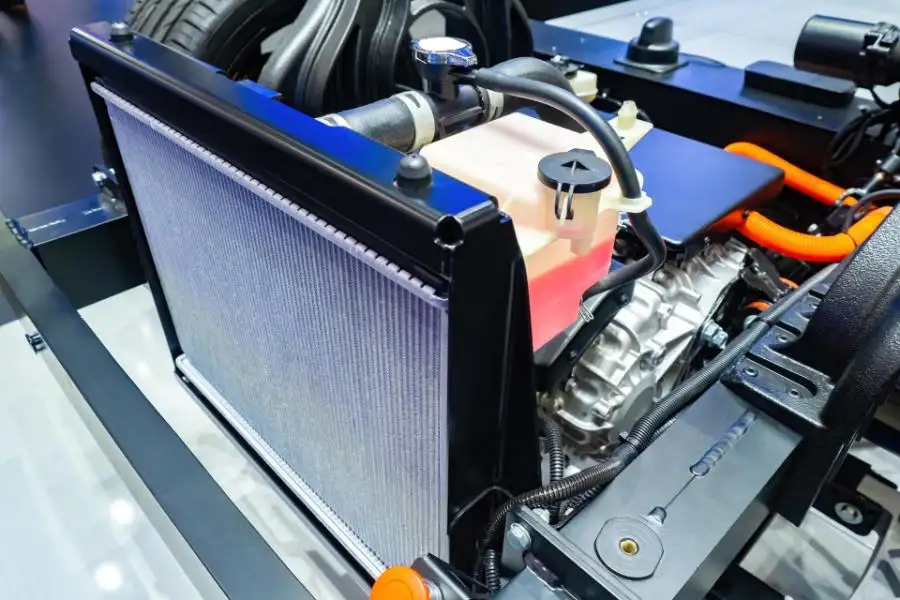
Prevent Car Engine Overheat This Summer With Timely Car Radiator Maintenance
Summer: it’s that time of the year again when the sun is blazing hot, and the idea of going on a long drive, beach trips, and lingering in the sun’s heat seems like the ultimate escape. But hold up. Before you hit the road, there’s one thing you need to keep in mind – your car’s engine health.
The hot weather can be tough on engines, especially if you’re going on a long drive. During the scorching summer months, the engine temperature in your car can skyrocket, leading to potential overheating, breakdowns, and even safety hazards. This is where car radiator maintenance changes the game.
In this article, we’ll discuss the significance of auto radiator maintenance and why you shouldn’t skip this routine this summer. We’ll also highlight the potential consequences of engine overheating and provide valuable tips to prepare your car for the season. So buckle up; let’s get started.
Car Radiator: What's Keeping Your Engine Cool
Have you ever wondered how your car engine stays cool despite all that heat generated during combustion? That’s where the car radiator comes in.
Think of the radiator as the cooling system’s heart that comprises the coolant, thermostat, fan, and other critical cooling components. It’s like a giant heat exchanger designed to dissipate the heat generated by your engine. As the coolant circulates through your engine, it dissipates the heat and flows to the radiator, where it’s cooled by air passing over its metal fins.
But wait, there’s more.
The radiator also has a transmission cooler, which helps keep your transmission system from overheating. So not only does the radiator keep your engine running cool, but it also helps your car shift gears with ease.
Hot Topic: How Your Car Radiator Could Be Causing Your Engine To Overheat
If you notice your engine overheating, it’s possible your car’s radiator is to blame. This is how it works:
As mentioned above, the radiator is responsible for keeping your engine cool. It uses a mixture of coolant and water to absorb heat from the engine. As the hot coolant flows through the radiator’s core, it’s cooled down by the air flowing through the fins.
So what happens when your engine coolant can’t cool down?
Your engine starts to overheat. That’s because the hot coolant that’s supposed to cool down in the radiator is now circulating through your engine where it’s not supposed to be.
This can cause severe damage to your vehicle’s engine – we’re talking warped cylinder heads, blown gaskets, and even a cracked engine block.
Transmission Malfunctions: The Hidden Culprits
Here are a few ways your radiator could be causing your engine to overheat:
Radiator Leaks: Over time, your radiator develops leaks due to corrosion or wear and tear, causing the coolant level to drop, which means there isn’t enough coolant to circulate through the engine and keep it cool.
Blockages: Eventually, debris like dirt or rust will also accumulate in the radiator system, obstructing the coolant flow. This can cause hot spots in the engine, leading to overheating.
Damaged thermostat: The thermostat regulates the flow of coolant to the engine. If the thermostat gets stuck closed, the coolant can’t circulate through the engine and will instead become trapped in the radiator, causing overheating.
Radiator Fan issues: The radiator fan helps to pull air through the radiator, which cools down the coolant. If the fan isn’t working properly, the coolant can’t cool down, and your engine will overheat.
Summer Driving Essentials: Keeping Up With Car Radiator Maintenance
Whether you’re going on a long road trip or just cruising around town this summer, don’t risk getting stranded on the road due to an overheated engine. Before you set off, ensure to prioritize your car’s radiator maintenance in your summer driving essentials.
With temperatures soaring during the summer, your radiator must work extra hard to keep your engine cool. That’s why bringing your car to a professional auto technician at least twice a year for a car radiator inspection and routine maintenance is essential.
They will inspect your radiator, flush the coolant system, and replace worn-out parts to ensure your vehicle keeps cool.
Not only that, but proper vehicle radiator maintenance can also increase your fuel efficiency, extend engine life, and improve overall safety while driving. More importantly, this routine will keep your car running cool, giving you the coolest summer-long drive experience. It’s a triple-win situation.
If you’ve skipped your auto radiator maintenance routine for a while now, don’t wait for another day to pass by. Ensure your car is ready to handle the heat this summer by scheduling an auto radiator service today at Meridian Automotive in Meridian, ID.
From radiator flushes and coolant replacements to leak repairs and thermostat replacements, we’ve got you covered.
Key Takeaway
Ignoring your car radiator maintenance needs can lead to not only engine overheating but also the inconvenience and frustration of a breakdown on the road, which can ruin your plans this summer.
So, don’t wait for a sign of malfunction before you take your car to an auto repair shop for its radiator maintenance needs. Bring your vehicle to Meridian Automotive today, and we guarantee that your car is ready to handle whatever the summer heat throws its way.
10/11/2023Read moreHOW TO SELECT THE BEST TIRES FOR YOUR CAR
Selecting the best tires is a crucial consideration in maintaining optimal performance of your car.
However, with so many car tire brands available on the market today, it is only natural that car owners face confusion about which tire brand and type is best for their car.
Here are 3 Important Considerations When Selecting the Best Tires for Your Car
Although your budget is a vital factor when it comes to selecting your car tires, you also need to focus on safety as well as a few other important factors like speed rating and load index. Of course, if you are already used to and prefer a particular brand then it makes sense to replace the old ones with the same.
If, however, you are considering buying tires for the first time or don’t have any specific preference, keep the following in mind when you go shopping for new rubber.
Rim Diameter is a vital consideration for the simple reason that the tires you select should sit firmly on the rims. While some tires can fit different rim sizes, this is not true for all. A professional or a specialist will be able to help you find the right rim and tire fit for your car.
Load Index is an important number to consider as it corresponds to the maximum weight that your car tire will be able to support or carry when it is inflated to maximum air pressure. It is necessary to match the load index of the original set of tires on your car with the new set, so it can continue carrying the load capacity specific to the car.
Speed Rating is the designed speed capability of a car’s tires. Represented by a letter code which can be found on the tire sidewall, the speed rating of your car tire indicates the maximum speed it can sustain over time without experiencing any major wear and tear or without the wheel coming apart.
Note: If you are going to be doing a lot of driving, especially on the highways, it makes better sense to pick up tires with a higher speed rating.
Unsure About Investing in a New Set of Tires?
If you have been considering investing in a new set of tires for your car, but are putting it off, you might want to consider the following:
- Your car tires are what holds the weight of your entire car.
- If the condition of your tires is not good, driving your car can pose a safety risk not just for you, but also other drivers on the road.
- If your car tire treads have lost their depth, then your car will struggle to gain traction on the road and the car will easily slide or slip on wet and snowy roads.
- Worn out tire treads can lead to blowouts and accidents.
- If your car service technician or mechanic has advised you about replacing your car tires, seriously consider going in for a replacement.
Don’t Ignore Wheel Alignment When Replacing your Car Tires
While having your car tires replaced, it is always advisable to have the wheels aligned. Not only does bad wheel alignment cause the wheels to vibrate and wear quickly, it can also lead to steering trouble. So, all that money you spent on picking up a hot set of tires will be wasted if your wheels are not aligned!
It is best to have your car wheels replaced by a professional and trustworthy mechanic or service technician as they will ensure the wheels are aligned properly before you get back on the road.
No Guessing
Each of the above-mentioned points is crucial when selecting a new set of tires for your car. If, however, you are unsure about which tire brand and type is the best fit for your car, consult with a professional auto repair mechanic or service center.
Professional Auto Service!
Meridian Automotive service technicians can help you with all your car repairs and maintenance issues. We don’t sell tires, but we service them in all sorts of ways like performing alignments and fixing flats. We will help you get back on the road in the safest manner.
Give us a call at (208) 297-5573 or schedule an online appointment today!
11/20/2018Read more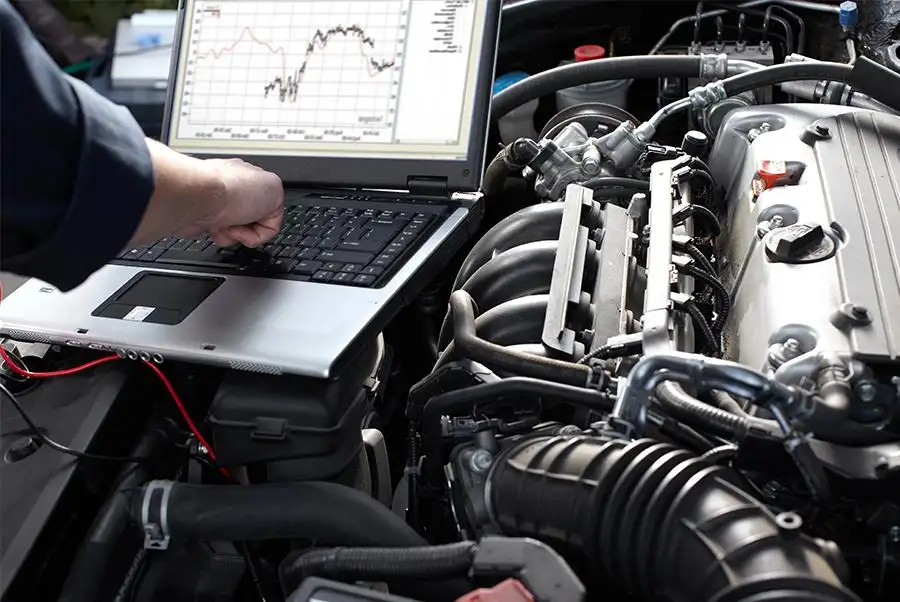
Know Your Volvo’s Health Through Engine Diagnostics
Are you having Volvo car trouble but do not know what is causing it? Shaking and hearing some noises makes you uncomfortable, and you worry that your Volvo will break down and cause you big trouble. Engine diagnosis performed by a certified mechanic can pinpoint the problem that causes these vibrations and unwanted noises. You have to keep reading to find out more about engine diagnosis. This article may help you with your engine troubles.
What is an Engine Diagnostics?
Engine diagnostics refers to determining whether or not there are faults or problems inside a vehicle’s engine system and then attempting to fix those issues. Collecting data and analyzing it on various elements of the engine’s performance requires the use of specialized instruments, equipment, and software.
Connecting an engine diagnostic instrument or scanner to the vehicle’s onboard diagnostic (OBD) system is often the first step in performing a diagnostic inspection. By establishing a two-way data link with the engine control unit (ECU), this device may get data pertaining to the health of the system, including sensor readings and fault codes. Technicians and mechanics can discover the underlying cause of engine problems and establish the necessary processes for repairs or maintenance if they analyze this data and apply their findings.
Engine diagnosis is essential to the upkeep and repair of modern vehicles since it allows for efficient and precise problem-solving. They assist in the early detection of problems, the prevention of future damage, and the improvement of the general performance of the Volvo’s engine as well as its efficiency with fuel. Engine diagnostics can effectively utilize available repair resources by isolating particular problem areas, thereby lowering the amount of guesswork involved and ensuring that repairs are successful.
Engine Diagnosis: Uncovering Issues with Precision
A comprehensive engine diagnosis helps discover the underlying reasons for the noise and vibration coming from the Volvo engine.
The qualified technician checks the engine’s belts, pulleys, hoses, and engine mounts for damage, wear, and misalignment. Then the mechanic will attach their diagnostic instrument, also known as a scanner, to the OBD system of the car to extract error codes and data relating to the engine’s functioning. These codes may give information about specific components or systems that might add to the noise and vibration. The technician will examine sensor data, such as engine speed, coolant temperature, and oxygen sensor readings, for any anomalies that may indicate the problem.
Drive testing the Volvo will allow you to see its performance under various conditions. The mechanic will plug in the engine diagnosis equipment and wait for a readout while listening for distinctive noises, watching for unusual vibrations, and noting any engine performance changes.
In light of the findings of the engine diagnosis, several factors could be responsible for the noise and vibration. The engine mounts are worn or damaged.
When there is a problem with the engine mount, it might result in various sounds and vibrations within the car.
A worn-out or damaged engine mount may be unable to absorb the vibrations caused by the engine in the correct manner. Because of this, the engine can transmit excessive vibrations to the car’s frame, resulting in audible rumbling and perceptible shaking.
When an engine mount deteriorates, it may lose its ability to maintain the correct space between the engine and the vehicle’s frame. This can cause the engine to rub against the vehicle’s frame. This can result in the metal components of the engine and the frame coming into touch with one another, which can produce a clunking or banging sound. Misalignment of the Engine An engine mount that has gotten damaged or failed might cause the engine to become misaligned within the engine bay. This misalignment can cause strain on various engine components, which can lead to those components rubbing against one another or the vehicle’s chassis, which might result in peculiar noises.
A malfunctioning engine mount may, in rare instances, cause the engine to sag or move, which may result in the exhaust system coming into contact with neighboring components. This contact can result in noises like rattling or scraping, mainly while the vehicle accelerates or decelerates. Engine mounts frequently support both the engine and the gearbox at the same time, which can result in transmission noise. When an engine mount breaks, it can throw off the alignment of the gearbox, which can result in various sounds associated with the transmission, such as grinding or whining.
When you know that your engine mount is faulty, bring your Volvo right away to a reputable auto shop that conducts engine diagnosis using the right tools. This will prevent any more damage to the engine and guarantee that it runs smoothly and quietly. After the certified mechanic has completed the engine diagnosis process and discovered the underlying source of the noise and vibration in the engine, they will be able to make recommendations regarding the needed repairs or maintenance procedures.
Conclusion
Engine diagnosis determines the internal problem of the engine, which an eye can’t see. The engine diagnosis app and the gadget will be the ones that read the internal condition of the car’s engine. Not all auto shops offer engine diagnosis using a gadget before doing preventive maintenance. One auto shop in Meridian, ID, Meridian Automotive, uses a gadget for their engine diagnosis to speed up the work and be precise. Check their website to learn more about their engine diagnosis service and schedule one for your Volvo.
09/15/2023Read more6 REASONS WHY A VEHICLE FAILS EMISSIONS
In Idaho, most gasoline-powered vehicles, model year 1981 and newer, and diesel-powered vehicles over 5 model years old are required to undergo emissions testing every two years. When you pass emissions, you will receive a Vehicle Inspection Report and will be able to continue with the registration process. Unfortunately, you may not always pass emissions on the first attempt.
If your vehicle appears to be operating smoothly, failing an emissions test will come as quite a shock. You are probably wondering just what the heck happened. These are six common reasons why a vehicle will fail emissions, and what can be done to fix it.
- You are past due for an oil change. When you delay an oil change, it could cause you to fail an emissions test. Clean oil contains fewer hydrocarbons and makes for a cleaner engine- which means a cleaner emissions output. This is an easy fix, get the oil changed, and don’t delay it again. If you are unsure how often you should be changing your oil, you can look in your vehicle owner’s manual for the answer. Or, you can ask one of the experts at Meridian Automotive.
- You have a rich air/fuel mixture. A rich air/fuel mixture will often cause a failed emissions test. This problem is usually a result of a defective oxygen sensor or faulty injectors. So, if you fail emissions, have these components inspected and changed if necessary.
- You have worn spark plugs. Faulty or worn spark plugs leads to increased emissions because of incomplete combustion. Inspect them regularly and replace them when necessary
- You have a loose or leaking gas cap. This is an issue that is easily corrected. First, check to see if the cap is on tight enough. If not, tighten it. Often, this is one of the first things they check during an emissions test to make sure you don’t fail unnecessarily. If it is on tight enough, it may, however, still leak which could also result in a failed emissions test. If you do have a gas cap leak, simply have it replaced with a gas cap that will properly seal the tank.
- Your air filter is dirty. A dirty or clogged air filter could cause high levels of hydrocarbons and can be responsible for a failed emissions test. Most manufacturers recommend changing the filter once every twelve months or every 12,000 miles. If you don’t remember the last time you had your air filter changed, it may be wise to do it before your emissions test to help avoid failing.
- Your “check engine light” is on. A vehicle with a check engine light that is on will fail emissions immediately. The most common reason a check engine light comes on is because of a broken oxygen sensor. You should never delay repair when your check engine light comes on, or what starts out as a minor, affordable problem could turn into a serious and expensive problem. If your check engine light is on, have one of the automotive repair professionals at Meridian Automotive run a diagnostic test and fix your vehicle before you try and bring it in for emissions testing.
If you have recently failed emissions, we invite you to bring your vehicle into Meridian Automotive. We are a highly qualified emission repair and retest facility. We can diagnose the reason why your vehicle failed emissions and repair the vehicle, then, re-test vehicle to get you an emissions certificate. Call us today (208) 297-5573 or schedule an appointment online.
01/18/2018Read moreHOW DO OIL FILTERS WORK?
Motor oil is a vital component to the health and longevity of your engine. It is responsible for keeping the engine clean and its moving parts lubricated. If the oil is dirty, tiny particles can wear down the surfaces of the engine and potentially cause some serious damage. That is why vehicles are equipped with an oil filter.
Oil filters have two main functions. They are responsible for removing contaminants from the engine oil that can build up over time, and they keep the oil where it needs to be at the time it needs to be there.
Waste Filter
Mechanics often refer to oil as the lifeblood of your vehicle. You can think of the oil filter as the kidneys. Our kidneys filter waste from our blood and regulate our salt and water balance, helping us to remain healthy. If they fail, waste products and water can build up in our body, leading to potentially life-threatening complications.
Like the kidneys, your oil filter removes harmful waste. It keeps your engine running smoothly by catching harmful dirt, debris, and metal fragments in the oil. Without the filter, these particles can reach vulnerable engine components and cause damage. When the junk is filtered out, the oil stays cleaner longer, bettering the performance of your engine.
Keeping Oil in the Right Place at the Right Time
Beyond keeping the oil clean, the parts of the filter work together to keep the oil clean and help to send it to the proper place at the proper time.
Parts of the filter:
- Tapping plate. Motor oil enters and exits the filter through the tapping plate. The tapping plate consists of a large center hole surrounded by smaller holes. The oil goes in through the smaller holes and then through the filter material and then exits into your engine through the large center hole.
- Oil filter material. The material that catches the debris in the oil is made up of a combination of synthetic fibers. It is folded into pleats, creating a larger surface area.
- Anti-drain back valve. This valve closes to keep oil from making its way back into the oil filter from the engine when the vehicle is shut off.
- Relief valve. Oil thickens when it is cold outside, which makes it difficult to move through the filter material. To make up for this, the relief valve will discharge a minimal amount of unfiltered oil to lubricate the engine until it warms.
- End discs. These discs are on the end of either side of the filter and are made of either fiber or metal. They keep the oil that hasn’t been filtered from entering the engine.
You needn’t remember all these parts but understanding how they work together shows you how important it is to maintain regular oil and oil filter changes.
Replace the Filter Regularly
As you use your vehicle, the filter gets dirtier, and will not function as effectively. This means that there will come a time that the filter needs to be replaced.
Your vehicle owner’s manual is your best source for telling you how often oil filter changes should be performed on your vehicle. For most modern vehicles the average amount of time is every five or six thousand miles.
If you are changing your filter at the appropriate intervals, you are less likely to experience any negative effects, however, if you put it off too long you may notice the following symptoms:
- Low oil pressure
- Change in exhaust color
- Acceleration trouble
- Metallic type noise under the hood
Trust Meridian Automotive
At Meridian Automotive, every oil change service includes an oil filter replacement.
During your oil change service, our highly skilled technicians will drain out the old oil and replace the oil filter, then add clean, factory recommended oil to your vehicle. We will also adjust your tire pressure if needed, and inspect all fluid levels, air filters, and wiper blades. Call 208-888-3797 or schedule an appointment online.
02/13/2020Read moreWHAT’S THAT SMELL? 7 CAR ODORS YOU SHOULD NEVER IGNORE
Sometimes spotting car trouble is as simple as using your nose. When you are inside of your vehicle, the only odors that you come across should be from things that you’ve put into it yourself. If you are noticing strange odors coming from your car, it may indicate that there is some kind problem. Some odors may only be noticeable when the car is running, and other smells become apparent only when the car is sitting, or when it is hot.
Here are some common car odors that you should be aware of.MY CAR SMELLS LIKE:
Syrup- If you are smelling something sweet and syrup-like, then your car may be leaking coolant. The leak could be coming from something as simple as a loose hose clamp, a weeping thermostat gasket, or something more complex like a weeping intake manifold or head gasket. Other possible locations for a leak would be from the radiator cap, or even the radiator itself (this is most likely if you smell it outside of the car).
If the odor is particularly strong inside the passenger compartment, then your heater core has probably gone bad. When you notice this particular scent and it is accompanied by a temperature gauge light, check engine light, or a coolant level warning light on your dashboard you need to pull over at once as this indicates your car is overheating. If the lights are not on, but you see steam coming from under the hood and the scent is accompanied by a hot, metallic odor you need to pull over immediately as this also means that your car is overheating. If you continue to drive while your vehicle is overheating, it can cause very expensive and serious damage to the engine. If syrup is what you smell, then you should take your vehicle to your shop right away.
Rotten Eggs- If you are continuously catching a whiff of rotten eggs while your engine is running, then chances are there is something wrong affecting your catalytic converter. The odor can be attributed to the catalytic converter failing to convert the hydrogen sulfide in exhaust into sulfur dioxide as it should be. Sometimes the odor is caused by the catalytic converter becoming overloaded and failing due to a poorly running engine. This can smell can also indicate a fuel-injection problem, an issue easily fixed by a good mechanic. Replacing a catalytic converter can be costly, but they are covered by the manufacturer’s warranty up to 80,000 miles in most cases. You can continue to drive your car in this condition for a little while if the smell isn’t to bothersome, but if the “Check Engine” light happens to come on you should take it to your mechanic.
Gasoline- When you smell gasoline, the first thing to do is determine if the problem is serious, or not so much. When did you notice the fumes? If you have just filled your car with gas, it is possible the smell is simply coming from your hands. Roll down your window and wash your hands as soon as you can. If you left your door open or a window rolled down while you filled up, you may just have some lingering gas vapors that made their way into your car. Roll your window down as you drive for a bit and the smell will dissipate in a little bit. However, if you haven’t just filled your tank with gasoline, you may have a fuel vapor leak, or an active fuel leak. Make sure that you have your fuel cap on securely. Inspect under your vehicle for liquid or gasoline stains on the ground. Bring your vehicle into a repair shop right away as these types of leaks are a potentially dangerous problem that need repaired right away. Any smell of fuel coming from your vehicle can be a fire hazard. Do not smoke near your vehicle.
Exhaust Fumes- Smelling exhaust fumes inside the passenger compartment could be from a defective exhaust pipe that allows the exhaust gases to leak into your car through the floorboards. As carbon monoxide is found in exhaust fumes this can become a dangerous situation. Keep your windows open and get your vehicle looked at as fast as you can. No matter how cold, never idle a vehicle with an exhaust leak to keep yourself warm.
Hot Oil (thick, acrid odor)- The first thing you should do if you smell hot or burning oil, is check the oil dipstick. You could be low on oil. If you find that you are low on oil, it means you either don’t check your fluids regularly enough, or you have a leak. Check underneath your car, if there is a drop or two make an appointment to get that checked before it gets worse Smelling hot oil when there is nothing on the ground indicates a minor leak, possibly a valve cover gasket. If there is smoke coming from the exhaust your vehicle is leaking oil internally, burning it and sending it out the tail pipe. With any leak you need to be sure you are checking the car’s fluid levels before you operate it.
Burnt Toast- A light yet bitter scent, much like that of burnt toast could indicate that there is a problem within the electrical system. What this smell would usually suggests is that there is an electrical short in the system or that there is burning insulation. These are serious problems. If you notice this smell, you should only drive the car if you are heading straight into your trusted auto shop to have the problem diagnosed and repaired. If at any time you notice smoke along with this scent, immediately shut off the car and call for help.
Burnt Carpet- If you have been using your brakes hard or a lot or both, then you might notice an odor similar to that of burning carpet which indicates that your brake pads are overheating. This is most common on winding and steep mountain roads when drivers tend to ride their brakes. To help prevent this, you should downshift on such roads. If you should notice the smell when you are driving normally on a flat road, then you either a.) left the handbrake on, or b.) have a dragging brake, and should bring your car in to have your brakes looked at right away.
If you are ever unsure about a smell that is coming from your vehicle, give us a call to get it inspected. Left untreated, you could end up with an even more dangerous or costly problem.
10/17/2019Read moreLIVE2LEAD LEADERSHIP SUMMIT SIMULCAST WITH JOHN MAXWELL
Calling all leaders in Meridian and Boise, Idaho: Whether you are a business owner, executive, company manager, or stay at home parent, most of you act as leaders for someone else. If you are interested in developing your leadership skills, then you might want to attend a broadcast of what should be a cutting edge leadership and personal growth seminar. This event takes place in Atlanta, GA but is being broadcast to hundreds of locations around the world, including right here in Meridian, Idaho. Here are all the upcoming details on the Live2Lead Leadership Summit Simulcast with John Maxwell.
Date and time: Friday, October 11, 8:30 am
Location: Scentsy Headquarters, 2701 E. Pine Dr., Meridian, ID 83642
Tickets: It is best to purchase tickets in advance through Eventbrite.
About John Maxwell: John Maxwell is an author, pastor, and motivational speaker who has written a large variety of books focused on leadership. His books have sold millions of copies, and some have made the New York Times Best Seller List. John is sharing his experience and wisdom at the Live2Lead Summit to empower community business leaders around the world. This event is brought to Idaho by Coaching Crossroads Team International.
Event details: This event in Meridian is a same day live simulcast, meaning that you will be able to watch and listen to John as he speaks. This will be an information-packed, full day event, that can positively impact your success as a leader in the following ways–
- Leadership empowerment. John’s mission is to pay it forward by developing leaders throughout the world that are worth following. One of his quotes in life is “People never care how much you know until they know how much you care.” You will learn valuable life lessons from John and other elite guest speakers that will make you a more productive leader.
- Team management skills. A successful company team is only as good as the sum of its parts. You will hear inspiring success stories that include team management tools and workplace insights. This will help you gain new perspective in adding value to the relationship between you and the other people at your workplace.
- Personal growth techniques. This is an opportunity to unlock your true potential as a leader by learning personal growth principles that stand the test of time. These tools will help you to better connect with people from all types of backgrounds and locations around the world.
- Networking opportunity. You will get to meet and speak with other business professionals just like yourself right here in Meridian, Idaho. This is a great chance to be surrounded by business leaders from many different industries who are all seeking to better their leadership qualities and the ongoing success of their company. This is an incredible way make new connections with people who share a passion for personal growth and learning.
And if these event details are not already enticing enough, the event location is the Headquarters for Scentsy, Inc. Scentsy company designs and manufactures all types of aromatherapy products for Idaho consumers. These include candles, soaps, room air fresheners, shower gels, body lotions, and perfumes. This promises to be a really fun and information-packed day that you won’t want to miss.
All of our team members at Meridian Automotive really care about our local customers here in Meridian, Idaho. Our company was awarded the Blue Seal of Excellence by ASE in 2006 and we have retained that designation every year since. So, if you have any automotive service or repair needs, you can trust the professionals at Meridian Automotive. Just schedule an appointment online or call us at (208) 405-0954.
10/03/2019Read moreEVERYTHING YOU NEED TO KNOW ABOUT SPARK PLUGS
An item of maintenance often overlooked by vehicle owners are the spark plugs. However, the spark plug is a vital piece of a healthy engine. The condition of your spark plugs can affect how good your fuel economy will be, how smoothly your engine runs, and the amount of power your engine puts out. Like the oil, your vehicle’s spark plugs should be maintained and changed when necessary.
What is a spark plug?
Spark plugs are a crucial part of the ignition system. The spark plug is found screwed into the top of the cylinder. The number of spark plugs your car has depends on how many cylinders there are. If you have a four-cylinder engine, you will have four spark plugs, and so on. It is here that they receive an electrical current from the ignition coils. Next, they create the electric spark that ignites the compressed air-fuel mixture in the combustion chamber. They also transfer heat away from the combustion chamber. These events take place over a thousand times per minute while you are operating your vehicle. This action keeps your vehicle moving on the road.
How do you know if your spark plugs need replaced?
We say it all the time, preventative maintenance is key for optimal vehicle performance, and the spark plugs are no exception. It is often recommended that your spark plugs be changed every 30,000 miles. However, there are some high-performance spark plugs that may last up to 100,000 miles. (Check your owner’s manual for recommendations specific to your vehicle.) When your spark plugs are replaced, you should use the same kind that your vehicle was equipped with originally. As an example, if your vehicle came with double platinum spark plugs, then you should replace them with double platinum spark plugs because this is what the vehicle manufacturer intended the vehicle to use. If you notice that your engine is running roughly or that your fuel economy has decreased, or you are simply driving a vehicle with a lot of miles and just don’t know the last time they were changed, your vehicle would probably benefit from new spark plugs.
Five signs that it is time to replace your spark plugs:
Increased Fuel Consumption
When spark plugs are working properly they keep the emissions that come from your vehicle to a minimum. If spark plugs are deteriorated, incomplete combustion can reduce your fuel economy. If you find that you are filling your tank more frequently, you should consider having your spark plugs checked and replaced if needed.
Weak Acceleration
When you press down on the gas and you notice a lack of responsiveness, or it responds, but slower than normal you are experiencing signs of weak or poor acceleration. It may feel as though your vehicle is trying extra hard to move and that the engine is being overworked. You may find that a spark plug change fixes this inactive feeling.
Rough Idle
Idling is what you do when your engine is running, yet you remain stationary. During an idle, your engine runs at a lower RPM. If your spark plugs are working properly, the sound coming from the engine should be smooth and continuous. If they are not functioning properly, the engine will produce rough, jittery sounds and it will stumble. You will also likely feel a vibration throughout your vehicle. Ignoring this symptom could result in serious, costly damage to your vehicle, so bring it in right away.
Difficulty Starting the Vehicle
Were you aware that worn spark plugs can make it difficult to start your vehicle? Not many people are. Worn spark plugs will cause your ignition system to work harder. They can also cause your battery to drain. Worn spark plugs, combined with harsh weather, can prevent the engine from turning over. If your vehicle is struggling to start, you may want to consider looking at the spark plugs as a possible cause.
Engine Misfire
Engine misfire is easy to recognize. The engine will appear to halt for a moment and then continue on at its normal pace. How often this happens depends on how serious the misfire problem is. When the engine misfires it means that the engine is not operating as smoothly as it should because one (or more) of its spark plugs are not firing properly. This leads to reduced fuel economy, reduced engine power, and an increase in emissions.
If you notice any of the above problems, give us a visit. Meridian Automotive provides complete automotive repair in Meridian, Idaho, for most cars, light trucks, and SUV’s. For over 20 years we’ve been Meridian’s auto repair experts. Don’t just trust anyone with your automotive repair needs, trust the experts at Meridian Automotive. Call us today (208) 297-5573 or schedule an appointment online.
05/02/2017Read moreWHY DOES MY BRAKE PEDAL GO TO THE FLOOR?
If everything is ok with your car, your pedal will not go all the way down when you apply brakes.
The brake pedal is sensitive and responds to the pressure accordingly when braking. So, if your brake pedal does not feel firm when depressed and goes all the way down to the floor even when you apply slight pressure, or if it feels mushy, there is a problem.
A brake pedal that sinks all the way to the floor could indicate a problem with the brake master cylinder or it could be due to a brake fluid leak.
In either case, a careful assessment is required – once the issue is accurately diagnosed, you can then go ahead and fix the issue. The only criteria here is to ensure you don’t put if off for long.
Any issues with your braking system can be potentially dangerous for you and other drivers on the road. We strongly advise you consult with a professional Automotive technician if you notice any of the following symptoms with your car.
You certainly don’t want to be the cause of an accident because you failed to fix your car when you had the chance.
What Causes the Brake Pedal to Sink to the Floor?
As mentioned above, there are two main reasons why this could be happening.
First – you have a brake fluid problem on your hands. What this means is that there could be a brake fluid leak in the brake system which in turn is causing a loss in brake fluid pressure.
Second – if the brake master cylinder is faulty, the fluid will bypass the seals. In which case your brake system will not respond accordingly, or it will not respond at all even if you floor the brake pedal.
How to Diagnose and Fix the Problem of a Sinking Brake Pedal
We have already listed two of the most common reasons why your brake pedal sinks to the floor when you apply the brakes. The next step is to identify the source of the problem accurately and then fixing the problem.
Note – If you don’t feel confident about conducting the checks yourself, the next best thing to do is to have a professional Automotive technician handle the job.
Here’s what you can do to diagnose and fix a brake pedal that sinks to the floor due to a brake line fluid leak:
- Start by checking the level of the brake fluid.
- If the brake fluid level is optimal, then you don’t have a brake fluid leak issue on your hands.
- On the other hand, if you find your brake fluid levels are low or if you are completely out of brake fluid, then there is a leak issue.
- The first thing to do is to check all the brake lines from the wheels to identify if there is a leak in the brake lines.
- If you find a leak on the brake lines, then you need to either replace the wheel cylinder or repair the brake lines.
Typically, if there is a brake fluid leak, your brake warning lights will come on. If this does not happen and there are no visible signs of a brake fluid leak, the problem could be with your brake master cylinder.
- The brake master cylinder has two sets of seals. If the seals get damaged or if they wear out, then it can lead to a leak internally.
- If this is the case, then the brake master cylinder will have to be replaced.
If your car has an antilock brake system (ABS), a leak in the ABS unit could also lead to the brake pedal sinking to the floor.
To Wrap Up
If you suspect there is a problem with your braking system based on the above-mentioned signs, don’t ignore the problem and continue driving. Have your car checked up by a professional Automotive technician for accurate assessment of the problem and repairs.
Even if you are a DIY enthusiast and you can fix the issue by yourself, we strongly recommend that you have your car checked by a car technician before you resume driving.
Meridian Automotive – Professional Car Repair Service You Can Trust!
Are you facing any of the above-mentioned issues with your car? If yes, don’t ignore the issue. We can help you with the necessary repairs.
Give Meridian Automotive a call at (208) 297-5573 or schedule an online appointment today!
04/12/2019Read moreWHAT DOES IT MEAN WHEN YOUR STEERING WHEEL SHAKES WHEN YOU ARE DRIVING?
Occasional vibrations in the steering wheel are normal occurrences. Especially if you are driving on bad or bumpy roads.
However, if you find that your steering wheel vibrates and shakes regardless of whether you’re driving at high speed or low speed, then there is a problem.
The reason why this could be happening might be due to a damaged or worn out component in the car or it could be an issue with your tires or car engine.
The only way to know is to have it checked up. Ignoring the issue could lead to further damage of the steering, the car tires, and possibly even your car engine.
5 Common Reasons Why Your Car Steering Shakes at Low and High Speeds
There are a number of reasons why your car’s steering wheel could be shaking or vibrating at low and high speeds. Here are five of the most common reasons:
- Unbalanced Tires
One of the most common reasons for the steering wheel to shake is when you drive on unbalanced tires.
- The tires may be low on air-pressure or one or more tires might have worn out tire treads.
- If this is the case, then your car tires will not be balanced when they come into contact with the road.
- Because the job of the steering wheel is to control the direction of the wheels, if your tires are unbalanced or if they display uneven tread wear then this can lead to the steering wheel shaking when driving either at low speeds or high speeds.
- Issues with the Wheels
- Wheel bearings tend to suffer wear with time. Which is why if your steering wheel is shaking, you might want to check the wheel bearings to rule out a problem.
- Another area that you should inspect are the ball joints and tie rod ends. If you find that your steering wheel shakes while navigating a turn, then it could be due to bad tie rod ends.
- If, however, you find that the steering shakes only when you are driving straight, then there could be a possible issue with the ball joints.
The best way to ascertain where the problem lies is to have a professional car technician examine your car.
- Issues with the Brake
Bad brakes is another possible factor for the steering of a car to shake when driving.
- If you find that your steering wheel tends to shake the most when you step on the brake pedal, it could be due to worn out rotors.
- It is best to also have the brake caliper checked out since it can lead to the steering shaking – this is especially true for older car models.
- Any issues with the brake should not be ignored since it concerns your safety and the safety of other drivers on the road.
- Axle Damage
Any kind of damage to the axle can lead to the steering of a car vibrating or shaking. This is most prominent if the car has sustained damage in an accident. Now, if the axle is either bent or damaged it could lead to the steering wheel shaking while driving at both low speeds as well as high speeds.
If there is substantial damage to the driveshaft or if it is broken, then you might find that your car steering wheel jerks or moves abruptly to the left or right randomly and by itself.
- Engine Problems
Engine trouble or damage can also lead to the steering shaking or vibrating at both low and high speeds.
In fact, the first sign that you could be looking at some kind of engine trouble is when your steering wheel shakes or vibrates even when driving on smooth, even roads.
If left unchecked, over a period of time, you will find that not just your steering wheel, but the entire car starts to shake.
There are multiple reasons why this could be happening, ranging from something simple to a serious issue. As mentioned above, the only way to find out is by having your car checked by a professional car service.
Meridian Automotive – Professional car repair service you can trust!
Does your steering wheel shake while driving at low or high speeds? Or are you look for a reliable service center for your car? If yes, connect with us today. Give Meridian Automotive a call at 2085349206 or schedule an online appointment at a convenient time.
06/21/2019Read more3 WAYS CONTAMINATED ENGINE FUEL CAN IMPACT YOUR CAR’S PERFORMANCE
Car engine fuel is critical to your car’s overall performance. However, over a period, your car engine fuel can get
contaminated.Some of the signs of this happening include trouble starting or with acceleration. While it is impossible to completely prevent contamination, you can limit the level of contamination and its impact on the way your car performs.
What Leads to Car Engine Fuel Contamination?
Car engine fuel can get contaminated in several ways. One of the most common contaminants is water. The damage from water contamination impacts car performance because your engine gets impacted – both compression and combustion of engine fuel are affected.
If your gas tank cap or top is not securely sealed, water can easily enter the tank while you are washing your car,
or it could also happen due to condensation. Water could also enter the gas tank via a damaged fuel filter in the pump at the station from where you fill up on gas.Another common reason for contamination of the engine fuel is if the fuel in your car is old. Over a period, fuel can get contaminated with debris leading to car trouble.
To prevent this from happening, your car has a fuel filter. The filter is responsible for ensuring that any dirt, dust,
or metal shavings don’t enter the engine through the gas tank. If for any reason this debris makes its way passed the fuel filer, it can lead to engine damage.If your fuel filter is old or damaged it will need to be replaced. This is a job that is best left to a professional car
technician.Car trouble from contaminated engine fuel might not be too severe in the beginning. However, over a period of time and if left unchecked, contaminated engine fuel can lead to more serious engine trouble.
3 Ways Bad or Contaminated Fuel Affects Car Performance
If you don’t know what to watch out for, picking up on signs of trouble caused by contaminated engine fuel can be difficult. For this reason, we have listed out three ways in which bad engine fuel impacts car performance.
The Car Engine Stops Running Abruptly
If your engine fuel is contaminated, one of the first things you will notice is that your car engine stops running suddenly.
- The process of internal combustion generates the necessary power needed for your car to run.
- If, however, the engine fuel is contaminated, it won’t be able to support the process of internal combustion completely – as a result the car engine will stop running.
- Difficulty in starting the car engine is another way in which contaminated engine fuel affects car performance.
Car Will Not Accelerate Even When You Step on the Gas Pedal
If you find that your car does not respond when you step on the accelerator, it could be due to contaminated engine fuel. Watch out for the following signs:
- The engine is slow or hesitates to pick up speed when you step on the gas pedal.
- The car is completely unresponsive – even if you step down hard on the accelerator.
- You notice this hesitation or unresponsiveness at higher speeds.
Car Speeds Up or Decelerates While Driving
In addition to slow response or no response to acceleration, you might also notice that your car suddenly drops speed or starts to accelerate while driving. Sudden acceleration or slowing down can happen if you just step lightly on the accelerator or even if you are not stepping on the gas pedal.
If you find this happening when driving, please don’t ignore the issue. Head to your service station and have your car checked up by a professional car technician.
Loss of control over speeding or deceleration can be very risky to you and other drivers on the
road.Meridian Automotive – Professional Car Repair Service You Can Trust!
Fuel contamination, as mentioned above, can happen in multiple ways. The reason why engine fuel contamination should not be ignored is because it can lead to engine damage.
Are you facing any of the above-mentioned issues with your car? We can help you. Give Meridian Automotive a call at (208) 297-5573 or schedule an online appointment today!
04/12/2019Read moreTOP 5 CAUSES OF LOW OIL PRESSURE IN YOUR ENGINE
Engine oil protects your car engine from overheating due to friction. It acts as a lubricant to prevent friction between the different moving parts thereby reducing damage from wear and tear.
Another important responsibility of engine oil is to clear away debris that can get accumulated over the surface of the components.
For these reasons, it is important that you ensure your engine does not suffer any damage due to low oil pressure. If the engine oil pressure is low, it can lead to several internal problems that can impact the performance of your engine.
5 Common Causes of Low Oil Pressure
Here are five common causes of low oil pressure in your engine and what you can do to fix the problem.
Low Level of Oil
A common DIY car care ritual should be routine checking of the oil level in your engine.
Here’s what you need to know:
- If the level of oil in your engine drops, then it becomes harder for the oil pump to continue to manage consistent oil pressure.
- If the oil has not been changed over a long period of time, it is only normal that the level of oil will drop.
- If you are not comfortable checking the oil level in your car engine, your car technician can do the job.
- The best way to ensure engine oil levels are always optimal is to take your car in for routine servicing
Using the Wrong Oil
Your vehicle manual includes important information about the best oil for the engine. A few things to keep in mind here are:
- Low oil viscosity will lead to your engine suffering from lower oil pressure inside the passageways.
- This is something that can happen if you switch from the recommended oil for your engine to a higher-grade oil – remember, higher grade oil is not necessary for optimal engine performance. Go with what is recommended by the car manufacturer.
Old Oil in the Engine
As mentioned above, if the oil in your engine is not changed, it can lose its viscosity and ability to flow smoothly and effectively lubricate the engine parts.
When this happens, the oil becomes thinner and it will become difficult for the oil pump to maintain the necessary oil pressure.
Another common reason for oil pressure to drop is when the oil starts to break down – remember, your car oil wears out a little bit every time you drive your car.
You can check your owner’s manual for the recommended oil change intervals to ensure your car engine is not running on old oil.
Oil Pump is Damaged or Worn Out
If the oil pump is damaged or worn out, it will not be able to maintain the required oil pressure to direct the flow of oil in the engine.
It’s not common for oil pumps to sustain damage or wear and tear, however, the issue cannot be ruled out completely.
Oil Filter
The job of the oil filter is to clean the contaminants that the engine oil accumulates and carries through the engine.
And while oil filters do a good job of keeping the debris out, over a period of time, the oil filter can get clogged.
A clogged filter will not allow proper filtration of engine oil.
Maintaining Oil Pressure
Now that you know what can lead to a drop in the oil pressure, here are a few things you can do to ensure your car engine oil pressure is always maintained.
- Carry out routine checks of the oil levels in the car engine.
- Change your oil and replace oil filters as and when necessary.
- Follow manufacturer recommendations for oil viscosity and service intervals.
- Take your car in for routine maintenance.
Meridian Automotive – Professional Car Repair Service you can Trust!
Are you facing low oil pressure issues? Are you in need of a professional car technician or repair service? If yes, we can help. Give Meridian Automotive a call at (208) 297-5573 or schedule an online appointment today!
03/07/2019Read more10 WAYS TO SHOW YOUR CAR SOME TLC DURING FALL CAR CARE MONTH
When it comes to the safety and dependability of a vehicle a little basic maintenance goes a long way. The summer and winter seasons are both hard on your vehicle. Taking the time in between them to provide preventative maintenance to your vehicle will help you avoid the stress of an expensive breakdown. For this reason, the Car Care Council has declared the month of October to be Fall Car Care Month.
Here are 10 ways, provided by the Car Care Council, that you can show your vehicle a little TLC to help it recover from the hot heat of summer and prepare it for the cold of winter, while temperatures are still mild.
- Check all vehicle fluids. This includes engine oil, power steering fluid, brake fluid, transmission fluid, antifreeze/coolant, and windshield washer solvent.
- Check all belts and hoses. Make sure they aren’t brittle, cracked, frayed, loose, or showing signs of excessive wear.
- Check the battery. Battery connections should be clean, tight, and free from corrosion. If you are in doubt, you can have the charge tested. Replace the battery if needed.
- Inspect the brakes. The brake system should be inspected annually and Fall Car Care Month is the perfect time to do so. The brake linings, rotors, and drums should be inspected at every oil change. Replace any parts that need it.
- Inspect the exhaust system. Exhaust leaks can be dangerous and must be corrected as soon as they are discovered. Make sure there is no damage to the system or broken supports or hangers. There should also be no strange noises.
- Check overall engine performance. Make sure the engine is providing the best balance of power and fuel economy and putting out safe levels of emissions.
- Check the HVAC system. The heating, ventilating, and air conditioning system should be functioning properly for interior comfort, as well as for defrosting purposes.
- Inspect the steering and suspension systems. Fall Car Care Month is the perfect opportunity to check these systems, which should be checked annually, these include the shocks, struts, and chassis parts (ball joints, tie rod ends, etc.).
- Check the tires. Make sure the tires are properly inflated and that the tread is in good condition. Uneven tire wear indicates that there is a problem with your alignment that needs to be addressed. You should also make sure the tires are free of bald spots and bulges. Replace them if necessary, and don’t forget to inspect your spare. And, if you don’t already, put snow chains in your trunk!
- Check windshield wipers and lighting. It stays darker longer in the winter, and you need to make sure that you can see, and that you are being seen. Make sure all interior and exterior lighting are working. You also need to replace your wiper blades so you can see out of your windshield during winter storms.
If you need help with vehicle maintenance this Fall Car Care Month, then look no further than the professionals at Meridian Automotive. We provide complete automotive repair in Meridian, Idaho, for most cars, light trucks, and SUV’s. For over 20 years we’ve been Meridian’s auto repair experts. Don’t just trust anyone, trust the experts at Meridian Automotive. Call us today (208) 297-5573 or schedule an appointment online.
11/10/2017Read moreVEHICLE SYSTEMS: STEERING AND SUSPENSION
The human body runs on various systems. We have our circulatory system, skeletal system, respiratory system, and so on. We need each system to work properly to remain healthy. Our vehicles are the same. They contain a series of systems that work together to keep it functioning properly. Each system needs to be properly maintained and taken care of.
This is the ninth in a series of blogs we will be posting about the various vehicle systems and their function. Please also see:
Vehicle Systems: The Brake System Vehicle Systems: The Exhaust System Vehicle Systems: Belts and Hoses Vehicle Systems: Fuel System Vehicle Systems: Emission System Vehicle Systems: Lighting and Wipers Vehicle Systems: The Engine Cooling System Vehicle Systems: Starting, Charging, and Battery ABOUT THE STEERING AND SUSPENSION SYSTEM
The suspension and steering system play a large part in how well your vehicle rides and handles. The suspension maintains the connection between the wheels and the frame or unibody. The suspension interacts with the steering to provide vehicle control. A properly functioning suspension system will absorb the energy from road anomalies – like potholes- and maintains vehicle stability. The steering system communicates your movement at the steering wheel to the steering gear and other components to control the direction your vehicle moves.
Parts of the steering and suspensions system include:
- Ball joints
- Bearings, seals or hub units
- Idler arm
- Pitman arm
- Power steering fluid
- Power steering pump
- Shocks and/or struts
- Springs
- Steering knuckle
- Steering rack/box
- Tie rod ends
WEAR, TEAR, AND COMMON SYMPTOMS
These systems should be checked at least once a year and with wheel alignments. Over time the components of the steering and suspension will wear out and require replacement. Some factors that affect their wear include driving habits, road conditions, type of vehicle, type of steering and suspension system, frequency of regular preventative maintenance (such as wheel alignments and chassis lubrication). Upon your yearly inspection of these systems, if you notice any leaks, damage, or loose mounting hardware, you should immediately have them replaced.
Signs that your steering and suspension need maintenance include:
- Uneven tire wear
- Vehicle pulls to one side
- Loss of control
- Excessive noise, vibration, or bouncing
Don’t let a bumpy ride ruin your day. If you’re in need of a steering or suspension system repair bring your vehicle into Meridian Automotive for a smoother and more stress-free drive. Call us at (208) 297-5573 or schedule an appointment online.
05/12/2017Read moreHOW TO WASH YOUR VEHICLE
We spend a lot of time discussing how to take care of the mechanics and inner workings of your car, but it is also important not to neglect your vehicle’s appearance. Keeping the exterior clean maintains the new-car finish that could result in a higher resale value.
Washing your car isn’t very complicated, but there are some things that need to be taken into consideration. Use these nine tips the next time you wash your car to help keep its value.
- Wear the right clothes.
When you wash your car, make sure that you are wearing comfortable clothes without any metal zippers or snaps that can scratch your paint. Remember to remove jewelry and belts before washing as well to avoid potential scratches.
- Wash your car weekly.
Don’t wait until your car is visibly dirty to wash it. Wash it every week or at least twice a month to remove dirt, dust, pollen, bird droppings, and other contaminants that dull your vehicle’s finish. There are compounds in bird waste that can leave you with a dull spot in your paint. In extreme cases, pollutants and acid rain can even strip the paint from your vehicle. - Wash in the shade.
You shouldn’t wash a hot car. High temperatures can cause deposits that eventually damage paint. Wait until the heat of the day passes before getting started, and park in a shaded area. - Use the right products.
Despite what you may have learned growing up, you should never use dish soap to clean your vehicle. Using dish soap is sure to damage the paint. Instead use a cleaning product created specifically for cars. Also, a large sponge or wash mitt and a hose with running water are must-have items for car washing. If you don’t have access to a hose with running water, you may not want to wash the car yourself. Using water in a bucket for rinsing may work grit into the surface and scratch the paint, and makes it so that you cannot rinse all the grit from the vehicle.
Read the directions on the products that you use. Some products might have tips on how to get the best results, and others may have specific times that you should follow before rinsing or buffing.
- Wash the car in sections.
Work on one area at a time: washing, rinsing and drying. Don’t move the sponge or mitt in circles as circular motions can create swirl marks. Move the sponge in straight lines instead. When drying, remember that towels are made to absorb liquid and not to rub and scrub. Lay the towel flat and pat it down on the car then pull it away. (You will probably need several towels.) You can see this technique at the 3:00 mark in this video from Fifth Gear. (Watch the whole video for valuable car washing tips from professional detailers.) - Clean the wheels.
Give your wheel cleaner a chance to work by starting it before you wash the rest of the car. Think of it like soaking your dishes before you wash them. Brake dust and wheel grime are more difficult to remove than what is on the rest of your vehicle, so they need a little more time to be broken down. While the wheels’ soak, clean your vehicle from the top down.
- Open your car’s doors, hood, and trunk/hatch when you’re drying.
Water gets trapped in these areas and will run out while you’re driving and leave streaks on your paint as it dries. Wipe all around the edges of these parts, and if your grille has slats, wipe each one down as well.
- Wax your car twice a year.
The best times to wax your car are in the fall before the first snow falls, and in the spring before hot weather moves in. - Detail your interior.
Toss out any trash, vacuum the carpets, and use some cloth or leather cleaner on the seats. Don’t forget to dust the dashboard and instruments. Be sure to remove the floor mats and vacuum underneath them. You may be surprised at the amount of stuff that gets stuck there. Use a carpet cleaner and a nail brush to scrub out any stains on the car floor. Also, remember to vacuum under the trunk liner if your vehicle has one.
We hope you find these car washing tips helpful.
Meridian Automotive provides complete automotive repair in Meridian, Idaho for most cars, light trucks, and SUV’s. Don’t just trust anyone with your maintenance needs, trust the experts at Meridian Automotive. Call us today (208) 297-5573 or schedule an appointment online.
05/02/2017Read moreThe Top Five Reasons to Visit a Reliable Automotive Repair Near You
Maybe you’re having problems with your car’s engine, or perhaps the brakes are starting to go. Whatever the reason, it’s essential to find a reliable automotive repair shop that you can trust.
A reliable automotive mechanic shop near you is essential to keep your vehicle dependable for more years to come.
Here are the top five reasons to visit a reliable automotive repair shop near you:
Reason #01: You Need Expertise and Experience
Automotive repair shops in Meridian, Idaho, such as Meridian Automotive Complete Auto Care, are staffed with experts who have years of experience working on all kinds of cars. They know how to fix problems, and they can help you keep your vehicle running in top condition.
Reason #02: You’ll Get Quality Service
When you visit a reputable automotive repair shop near you, you can be sure that you’ll get quality service. The mechanics will take the time to properly diagnose the problem and fix it right the first time. They won’t try to sell you unnecessary services or repairs, and they’ll always do their best to keep the cost of repairs as low as possible.
Reason #03: You’ll Avoid Major Problems Down the Road
If you take your car in for regular maintenance and repairs, you can avoid significant problems down the road. Automotive repair shops near you will be able to catch minor issues before they turn into huge ones, and this can save you time and money.
Reason #04: You’ll Keep Your Car Running Smoothly
When you take care of your car, it will run smoothly for years to come. Automotive repair shops near you can help you keep your car in top condition by performing routine maintenance and repairs. It includes changing the oil, checking the brakes, and replacing the filters.
Reason #05: You’ll save money in the Long Run
Regular maintenance and repairs can save you money in the long run. Automotive repair shops near you will be able to keep your car running smoothly and efficiently, which means you won’t have to spend as much money on gas. Plus, if there are any significant problems with your car, they’ll be able to assess them before it turns to expensive repairs and car breakdowns.
DIY Auto Repair vs. Professional Auto Repair at Trusted Automotive near you in Meridian, Idaho, better?
Most car problems are better left in the hands of professionals. However, even with ample knowledge of cars, you should not opt for a DIY repair and service.
Cars are evolving, including their engine systems and engineering technologies. Therefore, only
ASE-Certified mechanics and technicians near you continuously undergo training to ensure that they’re well informed with the latest trends and developments.
In addition, you’re saving time and money when you service and repair your vehicle at a reliable automotive near you. Auto mechanics ensure that your car gets fixed and serviced right the first time.
Meridian Automotive Complete Auto Care – Your Reliable Automotive near you in Meridian, Idaho
Owning a car is a prized investment and requires special care to make them last longer.
That’s why at Meridian Automotive Complete Auto Care in Meridian, Idaho, we commit to providing you with top-notch automotive repair, maintenance, and performance tune-ups.
It ensures that you get optimal driving performance, no matter what road conditions might be.
For all things automotive in Meridian, Idaho, contact Meridian Automotive Complete Auto Care at 208-888-3797 today!
01/31/2022Read more5 WARNING SIGNS OF SERIOUS CAR BRAKE TROUBLE
Everything from your driving style to the roads you drive on and irregular routine maintenance can impact your car’s brakes.
And although only a professional mechanic can find out the exact cause and nature of your car brake issue, there are a few warning signs your car will give which are indicative of trouble.
Common
Brake Trouble SignsWe cannot stress enough upon the fact that
any kind of car brake trouble should be addressed immediately. Brake issues can
be a life and death situation not just for you, but for other drivers on the
road as well.Which is why we have compiled a list of five warning signs which should tell you that is not well with your braking system. Don’t ignore the following signs.
Do you hear a high pitched grinding or squealing sound?
If yes, then it could be due to your car’s brake pads. High-pitched grinding or squealing noise is a strong indication that your brake pads need to be either replaced or adjusted.
- The squealing noise is generated mainly due to the wear indicator (a metal plate) scratching against the brake disc. This happens when the brake pads have worn out.
- But if the wear indicators of your car’s brake pads have completely worn off, then you will hear a grinding noise – this is because the brake pad backing plate is grinding against the rotor.
Do you feel a resistance in the brake pedal?
The job of the brake fluid is to transfer the force from the pedal to the brake pads – this action happens anytime you engage the brake pedal.
Now, if you are low on brake fluid, again there will be a reduction on the transfer of force from the pedal to the brake pads.
Another reason this could be happening is because of worn out brake pads. If this is the case, then you will notice that the pedal hitting the floor anytime you engage the brake pedal. Alternatively, a fault with the hydraulic system could also lead to this happening.
Do you feel a vibration in the steering or brake pedal?
- If there is a problem with your brake rotors, you might notice your steering vibrating or vibrations in the brake pedal any time you brake.
- The wear rate of your brake pads increases if your rotors are damaged – worn out brake pads cannot function 100% leading a reduction in their effectiveness.
- In addition, wheel alignment issues can also lead to vibrations in the steering.
- If you notice a vibration either in your steering or the brake pedal, have it check out by a professional vehicle technician as soon as possible. Driving with a compromised braking system is extremely risky!
Don’t ignore brake warning lights!Anytime your dashboard lights up with a warning light, don’t ignore it. If the brake pad warning light on your dashboard is on, either your brake pad has reached its wear limit, of it could also be due to low brake fluid levels or there is a leak in the system.
Check your car manual to understand why the warning light is flashing. If however, you are unsure about the cause, consult with a professional car technician.
Does your vehicle veer to one side when you hit the brakes?
- A vehicle veering to one side either when you take your hands off the steering or when you brake can be due to a number of issues.
- If this happens when you take your hands off the steering it could be due to wheel alignment issues or worn out tires.
- If your vehicle veers to or pulls to one side when you hit the brake pedal, chances are there is a failure in the brake system.
Meridian Automotive – professional car repair service you can trust!
If you noticed any of the above-mentioned brake trouble symptoms, don’t second guess the problem or ignore it.
We can help you. Remember, brake trouble could be matter of life and death. So give Meridian Automotive a call at (208) 297-5573 or schedule an online appointment today!
04/12/2019Read moreCOMMON CAR NOISES AND WHAT THEY MEAN
There are some sounds that we have become accustomed to hearing while driving — for example, the low humming of an engine and the whoosh sound of wind when driving at high speed.
Apart from the expected sounds, if you start to hear weird noises from your car, it may indicate a fault that needs to be looked at by a mechanic.
The following are some common car sounds and what they may mean:
Squeaking Sound When Making a Turn: If you start to hear a squeaking noise when turning right or left, there may be a problem with your steering system. Usually, this sound is accompanied by stiffness of the steering wheel. It could either be related to low steering fluid or an issue with your steering pump and rack.
Loud Metal Grinding Sound When You Hit the Brakes: When you hear a grinding sound whenever you press your brakes, it could mean that your brake pads are worn out. On top of this, if you hear a clunking noise when you hit the brakes, there may be something wrong with your braking hardware.
Roaring Sound When You Increase Speed: A roaring sound from your engine could indicate that there is a problem with your car’s exhaust system. This is especially dangerous and needs to be checked out immediately. If the roaring sound is accompanied by issues when changing gears, then the problem may be with your transmission.
Guttural “Rur” Sound When You Start Your Car: If you start hearing a guttural “rur, rur” sound when you start your vehicle, there may be issues with your battery. This is especially true if your car doesn’t start immediately (i.e. you need a few tries before it sparks up). If this goes unattended, your vehicle may fail to start completely.
Squealing or Grinding Sound Whenever You Hit the Brakes: If you hear a high-pitched squealing sound whenever you try to brake, this may be because your brake pad has worn out. A worn-out rotor usually produces this squealing sound. If you experience this, it is essential to get your brake pads checked out as soon as possible, or you may also need to replace your rotor.
Rattling Sound When Driving: Usually, a rattling sound indicates that something is not fitted correctly. It could either be that your brake pads are loose, or a part of your exhaust system is not tightly fitted. Whatever the case, this is a serious issue that requires immediate attention.
Squealing Sound: A squealing sound from your engine most likely means that a belt is worn out and needs to be checked. A chirping sound from your engine could also indicate the same thing. The belts in your car engine are highly essential to ensure it functions normally. It can be dangerous if any of the belts in your engine snaps while you are driving.
Loud Bang or Explosions: If you hear a loud bang when you start your car or while driving around, there may be an issue with your catalytic converter.
Clicking Sound: Most of the time, when you hear a clicking sound while driving around, it has to do with oil in your engine. Your engine may be too low or very dirty.
Take Care of Your Car
If you hear a weird sound coming from your car, do not ignore it. Vehicles are designed with different parts that work together in harmony. If there is an issue with one part, it may affect the others soon enough.
This may not only mean you have to spend a lot more to fix the problem but could even lead to an accident. The aphorism that a stick in time saves nine does not only apply to fashion but also automobiles.
Car Experts You Can Rely On!
Are you experiencing any of the noises mentioned above? Meridian Automotive is a full-service auto repair shop in Idaho. We have a team of highly experienced mechanics who give our customers the best service. If you are in Meridian or surrounding cities, give us a call today at 208-297-5573.
02/04/2019Read more
Toyota Engine Troubleshooting: Your Roadmap to Uncovering Hidden Performance Issues
Are you experiencing frequent engine misfires from your Toyota and thinking of getting engine troubleshooting to fix the problem? But do you understand what troubleshooting is? You will find it in this article you are reading here.
Understanding the Importance of Engine Troubleshooting
In engine troubleshooting, the mechanic figures out what is wrong with the engine and fixing it. Rectifying problems entails identifying their root causes and implementing appropriate solutions.
Gather information first, find out about the engine’s symptoms, any danger lights on the dashboard, any recent maintenance or fixes, and how the engine is running. Then, do a visual inspection. Check for clear signs of damage, leaks, loose connections, or worn-out parts by looking at the engine area. This could mean checking the hoses, belts, wires, and fluid amounts. These details are needed for your engine troubleshooting.
Certified mechanics will use diagnostic tools like a scan tool or code reader to get any error codes saved in the engine control unit (ECU). These numbers can give you essential information about which parts or systems may be having problems. Professional mechanics use a systematic method to find the problem and figure out what it is. This could mean checking different parts of the engine, measuring voltages or pressures, and comparing the results to the manufacturer’s specs. Good data collection will have the best outcome for your engine troubleshooting. Once the mechanics know what’s wrong, they will inform you. Depending on what’s wrong, this could mean fixing broken parts, changing settings, cleaning or replacing filters, or making more intensive fixes.
You also have to refer to your Toyota’s service manuals for fixing steps that are specific to your engine type; look at the engine’s service manual or the manufacturer’s technical documentation. These tools often include flowcharts, wiring diagrams, and debugging tables to help with the diagnostic process. Remember that figuring out what’s wrong with your Toyota engine is hard and may require specialized tools and knowledge of car engines. It’s best to consult a certified mechanic who can help you find and fix engine problems safely and effectively through engine troubleshooting.
Engine Troubleshooting for Misfires From Diagnosis to Repair
Engine troubleshooting helps identify and repair engine misfires. The technician scans the vehicle’s onboard diagnostic system for misfire fault codes. This data pinpoints the problem cylinder or component. The technician then checks spark plugs, ignition coils, fuel injectors, and sensors. They can find the problem using diagnostic instruments and visual examinations and fix it by replacing or repairing the component. After fixing the problem, the engine is inspected to ensure the misfire is gone, restoring performance and efficiency.
Engine troubleshooting can fix a lot of different issues. Your Toyota engine misfire is one of the most common problems that can be fixed by engine troubleshooting. Misfires occur when the air-fuel mixture in one or more cylinders fails to ignite properly, resulting in poor performance, increased noise, and perhaps increased emissions.
The engine may not ignite like before when there is a problem with the ignition system. This may manifest as a weak or erratic spark, which may be the result of malfunctioning spark plugs, ignition coils, or ignition wires. Problems with the fuel injectors, the fuel pump, or the fuel pressure regulator in your Toyota can all cause interruptions in the flow of gasoline, leading to cylinder misfires.
When your engine has a blocked or clogged air filter, a leaking intake manifold, or a broken throttle body can all disturb the air-fuel combination and lead to misfires. And a failure of engine sensors such as the mass airflow sensor (MAF), oxygen sensor (O2 sensor), or crankshaft position sensor can cause the engine control unit (ECU) to make the wrong ignition timing and fuel/air mixture adjustments, causing misfires and engine troubleshooting can fix these problems.
You may find out what’s causing the misfire and fix it by using the engine troubleshooting technique I described previously. Depending on the nature of the problem, this may require replacing broken parts, cleaning and adjusting others, or doing more substantial repairs.
Conclusion
Engine troubleshooting enables thorough discovery and resolution of the core problems; engine troubleshooting is the best method for fixing engine misfires. By following an organized troubleshooting process, technicians can diagnose the exact cause of the misfire, whether it’s related to the ignition system, fuel system, compression, or something else. This focused method ensures that the correct parts are fixed or replaced, leading to a good answer.
Engine troubleshooting also keeps you from spending money you don’t need to by keeping you from guessing and ensuring you only fix what needs fixing. In general, engine troubleshooting is a thorough and effective way to diagnose and repair engine misfires, bringing the car back to its normal performance and usefulness.
Meridian Automotive in Meridian, ID, can do the job for you. Their goal is to provide high-quality car repairs that always exceed their customers’ expectations. They also want to create an environment that is friendly to customers and encourages trust, honesty, and happiness. Their technicians are ASE-certified and have had a lot of training. Why not check their website and get your engine troubleshooting schedule with them?
06/05/2023Read more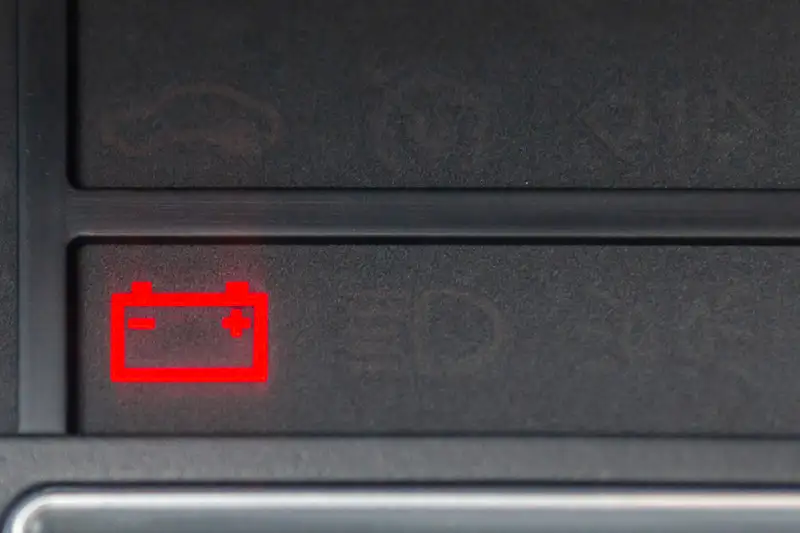
Signs of a Bad Battery Under the Hood?
Identifying signs of a bad battery under the hood is easy to detect by observing the sound, smell, and brightness of the light.
The sound of the horns is weak and sounds like a crying cow, the horn of the car uses electricity coming from the battery. If the battery does not enough charge the electric current can’t supply the needed amount of energy to produce the right sound of the horn. The sound of the horn is different. It becomes weak and has a low tune.
Having Dim lights even if you turn the beams on. The lights of the car are all electrical and need electricity coming from the battery of the car. If the battery is running low it could not pass a good electrical current going to the lights of the car.
When you are having a hard time starting the car. Starting a car needs a big amount of energy. When you experience this hard start, you can visit your auto mechanic. Because it is a sign that you have a bad battery. Then when the car smells like sulfur your battery is in bad shape. When you smell sulfur when you start your car it means that your battery pack is damaged, or corroded. Eventually, the battery with the sulfur leak will die and the sulfur leak will damage your car engine. It is better to buy a new battery than disregarding the smell of the fumes that could harm a person’s health. Then there is a time when you try to turn on the ignition and it takes too long to start the car. The car could have a bad battery and it has a low charge.
You have a bad battery sign when you need to step on the gas pedal to start the car- you do not need to do this if this is very unusual to you when you start the ignition of the car. You can bring your car to an auto mechanic here in Utah.
Recognizing signs of a bad battery includes identifying a swollen battery case, which is abnormal and indicates an issue. Batteries should not be bloated. It is because of a hydrogen build up inside the car’s battery. Car battery replacement will do the trick. Ask your mechanic what to do.
Sometimes the Engine backfires. In some circumstances, the low charge battery can produce sparks that could damage the car’s engine. Have it checked by an auto mechanic.
The alternator problem is why sometimes a car will not start because of the alternator failure resulting from a dead battery.
You will also hear some clicking sound when you start the engine- when you turn on the car’s ignition and give that ticking sound, it is because it is a sign of having a bad battery.it means that you have a low charge.
The Low Battery light is on.- change your battery as soon as possible when you see this sign. It is harder for you if your car won’t start after you have parked it at the office, in the mall or whatever destination that you have.
If you are in a hurry and the Central locking does not work you will need to use your key to unlock and manually lock the car when you go down. You can also check your car key batteries if the key battery is low batt or not.
How to Avoid the Signs of a Bad Battery?
You have to change your battery every 4 years or less. We recommend changing batteries after 2 years. You do not want to lose battery power when you are in the middle of the road or while on a family trip. Do not risk beyond 4 years.
The battery has acid for them to run. There is a certain level for the safety of the battery. You can ask your mechanic to check the acid level of your battery every 6 months or 2x a year to ensure that your battery is in top shape. Batteries also need water, add water carefully.
During your routine preventive maintenance, it’s advisable to request the mechanic to inspect your battery for signs of a bad battery. These professionals possess the expertise needed to identify potential issues.
The car is on the road always, and dirt dust, and fragments of whatever we encounter from our travel can affect the battery. Remove any dirt or debris surrounding the battery terminals. Cleaning it will be good for your battery because it prevents the terminals from rusting or corroding. Always make sure that the cover of the battery terminals is neatly tucked in its place, covering the terminals properly.
Avoid leaving your car too long without heating the engine and running it for 15 mins. Your car’s battery will drain itself slowly if you don’t heat the engine by running it. This will save you from buying a new battery and saving you from emergency calls that the battery has died. Keep the battery warm especially duting winder. Cold weather is bad for your battery. Get a battery warmer for your battery for the obvious reason of making it warm. It helps to start the ignition of the engine and minimizes the power consumption of the vehicle.
Conclusion
Take care of your car’s battery to maximize the power that it gives out to your vehicles. Change batteries every four years or less. Four years is the maximum. Recognizing signs of a bad battery can be challenging when it’s under your hood. You can ask the mechanic near you here at Meridian, Idaho to check the batteries of your vehicle. You can call Meridian Automotive to avoid having the signs of a bad battery. They have a wide variety of battery brands which you can choose from they are experts when it comes to car batteries.
07/20/2023Read moreSHOULD YOU REALLY USE PREMIUM OVER REGULAR GAS?
It’s probably a question every driver has asked themselves at some point, but what’s the real answer? Is premium truly the ‘golden child’ of the fuel industry or could regular gas be just as ideal for your vehicle?
Below, we set out to answer this vehicular mystery once and for all by looking at the pros and cons of both fuel options and then determining exactly how each fuel form affects your car in the long term.
The Pros and Cons of Premium Gas
Premium gas may have an enticing title, but what makes this gas so special? Let’s look at some of the pros and cons of this gasoline and see what separates it from the run-of-the-mill, 87 fuel.
- Pro: Premium gas will extend the life of your engine.
The main difference between premium and standard gas is the octane level. Premium gas has a higher octane level, making it much smoother for your engine. By ensuring that the engine combustion occurs at the right times, premium gas limits the amount of damage improper engine combustion may cause.
- Pro: If the vehicle asks for premium, standard gas could damage it.
One of the best things to do to tell if your car requires a particular type of gas is to review the owner’s manual. The car’s manufacturer should inform you of the level of gas the car requires, and a premium gas vehicle could become damaged over time by the use of standard gas in its tank.
- Con: Premium gas can be much more expensive.
Because of premium gas benefits, this fuel is typically far more expensive than standard gas which, for the average American, can be a pain-point. After all, with gas prices rising every day, standard gas is already expensive, and premium could quickly become unattainable at this rate.
- Con: It isn’t always a necessity.
As stated above, your owner manual should tell you what type of gas is best for your vehicle. A vehicle that does not need premium gas would still be benefited by the use of premium gasoline but, with the price, premium gas really isn’t ideal. This makes premium gas a bit less valuable than standard as standard can be used in any car with only wear and tear being an issue after time.
The Pros and Cons of Regular Gas
Now that we’ve investigated the value of premium gas, let’s see how standard holds up and whether or not it is a better option overall.
- Pro: It’s always cheaper than premium gas.
One thing that sets standard gas apart from premium is its price. Premium gas nowadays sits normally at around four dollars per gallon which is almost double that of standard gas. Ultimately, this means that you will get less mileage for the same price, a problem for those looking for quantity over quality.
- Pro: It can be used in cars that recommend premium.
This is one of those pros that must be considered carefully as, although this cheaper fuel choice can be used in premium-specific vehicles, it isn’t advised. What is said in your owner’s manual is put there by researchers and professionals and is, therefore, the best choice for your car. However, the fact that it can be used in budget-conscious times makes it a point for the pro list.
- Con: Engine Combustion is more likely to occur at the wrong time.
The octane level of the gasoline you use is what determines the smoothness and combustion ability of the fuel. A lower octane level like that found in standard gas can lead to engine combustion occurring at the wrong time, and this can become a serious issue in the future.
- Con: Wrongly timed combustions could lead to engine damage.
When you let the vehicle’s engine combust at the wrong time, you are sure to face knocks and pings in the engine. These may seem like minor things at the time but, after a while, these knocks could lead to engine damage and limit the lifespan of your engine.
For those that are looking to extend the life of their engine and save money in the future on repair costs, premium is ideal but people looking to save money on gas prices should stick with standard gas.
So, Which one is Better for Your Car?
By now, you may be wondering what fuel is better for your vehicle specifically and, although, it would be easy to tell you premium or standard and move on, the truth is that it all depends on the make and model of your car and what your owner’s manual recommends.
The manufacturer of your car has done the tests and taken the time to know the answer to your question. This answer can be found in your manual with little effort on your part. Although you can opt to put premium or standard in a car that asks for the opposite, the best decision is to stick with what your manual recommends, and rest assured knowing that this fuel was tested and proven to be the best.
However, no matter what fuel you choose, if you find your car in need of some attention, don’t hesitate to give us a call at Meridian Automotive and let yet another team of professionals give you the answers you’re looking for.
09/10/2018Read moreTop 5 Reasons to Regularly Visit a Reputable Auto Repair Shop in Meridian ID
Car ownership is a prized investment that you should maintain to keep your vehicle reliable for more years to come. Neglecting preventive car care maintenance services could lead to unnecessary and costly repairs and even car breakdown.
A regular visit to a reputable auto repair shop in Meridian, ID, is one way of ensuring that all your auto parts and components are in top condition.
At Meridian Automotive Complete Auto Care, we provide a complete range of auto repair services to meet your car maintenance needs.
Here are our top five reasons why you should visit a trusted auto repair service center in Meridian, Idaho:
Safety
One of the most important reasons to visit a car repair center is safety. A well-maintained car not only runs better but also safer.
Auto repair shops, such as Meridian Automotive Complete Auto Care, have qualified and experienced mechanics who can properly diagnose any issue with your vehicle and make the necessary repairs to keep you safe on the road.
Longer Life Span for your Car or Truck
Another reason to visit a car repair center is for the sake of your vehicle’s longevity. A good auto repair shop in Meridian, Idaho, will be able to identify any issue with your car and make the necessary repairs to ensure that your vehicle runs optimally and lasts longer.
At Meridian Automotive Complete Auto Care, we use only high-quality parts and components in all our repairs, so you can be sure that your car will run like new for years to come.
Save Time and Money
A regular visit to a reputable car repair center will also save you time and money in the long run.
At Meridian Automotive Complete Auto Care, we offer a wide range of services, from oil changes and tune-ups to brake repairs and transmission replacements. We have the experience and expertise to handle any repair or maintenance job on your car.
Following the recommended maintenance schedule will lessen frequent visits to Meridian, Idaho, auto repair shops for repetitive vehicle problems.
Optimal Driving Performance and Fuel Economy
Driving a car that is not maintained correctly can decrease fuel economy and poor driving performance.
A regular visit to a reputable car repair center in Meridian, Idaho, will ensure that your car is running at its best, resulting in improved fuel economy and optimal driving performance.
Maintains Car Value
One of the most important reasons to visit a car repair center is to maintain the value of your car.
A well-maintained car is worth more than a car that has not been adequately cared for.
Why Should You Not Put Off Preventive Maintenance and Auto Repair Services At Meridian, Idaho?
One of the most important things you can do for your car is keeping up with preventive maintenance and auto repair services.
Neglecting these services could lead to costly repairs down the road. When it comes to car care, prevention is always better than cure. These are all necessary to keep your car dependable in the long run, from simple oil changes to engine tune-ups.
Meridian Automotive Complete Auto Care – Your Trusted Auto Repair Shop in Meridian, Idaho
At Meridian Automotive Complete Auto Care, we offer a wide range of services that will help you keep your car in top condition and maintain its value.
Today, visit Meridian Automotive Complete Auto Care for quality car care services in Meridian, Idaho. We offer a wide range of services to meet your car maintenance needs.
Please make an appointment today and let us care for all your car maintenance needs!
Call us at 208-888-3797 or visit our website for more information.
11/09/2021Read moreWHAT IS ENGINE MISFIRE AND HOW DO YOU FIX IT?
Engine misfire occurs when one or more of the cylinders fail to provide power to your vehicle with the possibility of raw fuel making its way into the catalytic converter. You should consider engine misfire to be a severe condition and have it repaired right away to avoid expensive repairs and a possible car fire. The longer you ignore it, the more damage will occur.
There are three common reasons for engine misfire that vary in seriousness and cost. They include:
- A defect of the ignition system. Ignition system misfire is, perhaps, the most common cause of engine misfire, and thankfully the least expensive. Failing spark plugs, ignition wires, and coils, among other things can cause this kind of engine misfire.
- A defect of the fuel system. Due to expensive parts and longer repair and diagnostic times, this type of repair is slightly more expensive. Faulty fuel injectors are an example of the kind of problem that is related to a defective fuel system.
- A defect of the internal engine. Examples of internal engine defects include a faulty cylinder head, worn pistons and rings, and a loose or worn timing belt. Having a problem with the internal engine is your worst-case scenario. The parts are costly, and the repairs are typically very labor intensive.
When you have occasional engine misfire, it may not be noticeable to you beyond the fact that your check engine light is coming on. However, if the misfire is regular, then it is hard to miss. With regular misfire, the engine will use more gas than normal, lack power, and run rough. Occasionally it may feel like a vibration or increase your HC emissions.
The occasional misfire may go by unnoticed, but regular misfire is hard to miss. The engine will feel rough, lack power, and use more gas than usual. At times, a misfire may feel like a vibration. A misfire can also cause an increase in hydrocarbon (HC) emissions.
Regardless of the cause, your vehicle will fail emissions if the check engine light is on. Bring your vehicle into Meridian Automotive for a Check Engine Light Diagnostic Service so we can determine and fix the problem. Remember, we are an emissions repair and retest facility. If you have recently failed emissions we can diagnose and repair your vehicle as well as re-test it to get you your emissions certificate.
Never ignore engine misfire, even if it appears as though your vehicle drives “just fine.” Doing so could lead to more damage and expensive repairs. If you suspect that your engine is struggling due to an engine misfire, please feel free to contact us with any questions or concerns you may have. When you address issues like engine misfire in a timely manner and perform routine maintenance on your vehicle, you preserve its safety and longevity.
Meridian Automotive provides complete auto repair in Meridian, Idaho. We’ve been Meridian’s auto repair experts for over 25 years. Don’t just trust anyone, trust the experts at Meridian Automotive. Call us today (208) 297-5573 or schedule an appointment online
04/10/2018Read moreHOW TO JUMPSTART YOUR CAR’S BATTERY
Picture this: you’re having a hectic day, you have gotten out of work late and you need to rush home to fix dinner and help the kids with homework. Then it happens, you hop into your vehicle only to be greeted by the dreaded “click” when you place the key in the ignition. It is then that you understand that you aren’t going anywhere. That is, not until you get a jumpstart for your battery.
If this should happen to you, try not to stress. Simply follow these tips to help power up your car and get you back on the road.
THE TOOLS YOU’LL NEED
Jumper cables: We recommend keeping jumper cables in your vehicle at all times as a part of your roadside emergency kit. Jumper cables often come in different lengths, with the usual sizes being around 10 feet or 20 feet. Longer may not always be better. Longer cables may reach further, but you can run the risk of losing power when using them, as the current has further to travel between vehicles. Make sure your cables are not damaged, frayed or rusted.
Paper towel or rag: You should also consider keeping these in your roadside emergency kit. For jumpstarting a vehicle, they come in handy when your battery terminals are dirty. When you wipe the terminals clean before jumping, you allow for a better connection and a more successful jump.
A vehicle with a charged battery: If you don’t have a portable power box handy you will need another vehicle to get those battery juices flowing. Remember, the working battery’s voltage needs to be the same as the dead one in your vehicle. Most batteries in today’s vehicles are around 12 volts or higher.
FOLLOW THESE STEPS TO JUMPSTART YOUR VEHICLE
Preparation: Take all of the tools you need out so they are ready for use. If your battery terminals are dirty, take the time to clean them off. Any devices you have in your vehicle, like phone chargers, for example, should be unplugged. Once the vehicle that is coming to your aid is parked close enough, make sure each vehicle is set to “park” (P). Make sure the ignition is shut off on both vehicles and that their parking brakes are engaged.
Connect the cables: First, connect a red cable to the positive (+ or POS) terminal on your dead battery. Then connect the other end of the red cable to the positive terminal of the working vehicle. After this, while you are still at the battery of the working vehicle, connect a black cable to the negative (- or NEG) terminal. Finally, connect the last black cable to a metal surface that is unpainted under the hood of the dead vehicle. Make sure it is placed at a decent distance from dead battery to allow for the circuit to be ground and preventing sparking.
Start the vehicle with a charged battery: Once the cables are in place you should then start the already charged vehicle, letting it run for two to five minutes depending on just how drained the dead battery is.
Start your vehicle: After you have let the working vehicle run for a couple of minutes, attempt to start your vehicle. If it doesn’t start, run the charged vehicle about two to three more minutes and try again.
Don’t shut off your vehicle: Once your vehicle starts, do not turn it off!
Remove the jumper cables: The jumper cables should be removed in the opposite order of which they were put on. So, you start with the black one that was on the dead battery, then the black from the good battery. After that you remove the red cable from the good battery, then the red from what was the dead battery.
Drive: To be sure the battery gets charged you will need to drive for a minimum of 15 to 30 minutes.
If you’ve recently had to jumpstart your battery, bring your vehicle to Meridian Automotive for a battery test, and if needed, replacement. We provide car battery replacement services in Meridian, Idaho, for most cars, light trucks, and SUV’s. For over 20 years we’ve been Meridian’s automotive repair experts. Call us today (208) 297-5573 or schedule an appointment online.
12/11/2017Read moreHOW TO IMPROVE YOUR CAR’S FUEL EFFICIENCY IN COLD WEATHER
Cold weather can impact your vehicle in many ways. One such way your vehicle is impacted by cold weather, that is often not thought about, is how it affects your fuel efficiency.
According to FuelEconomy.gov, at 20 degrees, a traditional vehicle will be about 12 percent less efficient than it is at 77 degrees. That number can increase to 22 percent for trips that are very short, around three to four miles. If you drive a hybrid car, the fuel efficiency drops between 31 and 34 percent at such lowered temperatures.
There are many reasons behind the change in fuel economy in the colder months, including:
- Cold engine oil and other fluids increase engine and transmission friction
- Your engine takes longer to reach a fuel-efficient temperature
- Warming your vehicle before travel lowers fuel economy
- Rolling resistance increases as tire pressure decreases in cooler temperatures
- Heated seats, heater fans, and window defrosters use extra power
- Cold air is denser which increases the aerodynamic drag on your vehicle
- The battery doesn’t perform as well in cold weather, which makes it more difficult for the alternator to keep the battery charged
- Winter grade gasoline is different from summer grade gasoline. During the cold months, gasoline usually has heavier components to help lower the freezing point. This altered solution results in more additives in the gas, and in fewer miles per gallon
- Using four-wheel drive uses more fuel
The good news is that there are things you can do to help remedy many of these situations and help you to improve your fuel efficiency in cold weather.
To get the most from your gallon of gas during these cold months, follow this advice:
- Increase the initial temperature of your vehicle’s engine and cabin by parking in a warm location, like a garage.
- Don’t allow your vehicle to idle for more than 30 to 60 seconds, anything more is going to take a toll on your gas mileage. Your vehicle will warm up faster when it’s in motion.
- According to FuelEconomy.gov, when they’re used to run a quick errand, a vehicle is likely performing at its worst for the entire trip as the engine does not have time to warm to fuel efficient levels. Avoid short trips as much as possible by combining trips.
- Check your tire pressure weekly in the cold months. Tire pressure that is too low or too high reduces fuel economy and negatively effects traction making it dangerous to drive in inclement weather conditions.
- Avoid excessive use of defrosters and seat warmers. The extra power they take lowers your fuel economy.
- As stated above, cold air is denser, making your vehicle less aerodynamic. Remove accessories, like roof racks, that increase wind resistance when they aren’t in use. Making sure all snow is removed from the roof will also help with this.
- Use the type of oil that is recommended by your vehicle manufacturer for cold weather driving.
- Prepare your vehicle for winter weather conditions with a full inspection.
Even if you only use a couple of these tips, it will surprise you how much gas you can save.
If you would like help preparing your vehicle for cold weather, visit the professionals at Meridian Automotive. We provide complete automotive repair in Meridian, Idaho, for most cars, light trucks, and SUV’s. For over 20 years we’ve been Meridian’s auto repair experts. Don’t just trust anyone with your automotive repair needs, trust the experts at Meridian Automotive. Call us today (208) 297-5573 or schedule an appointment online.
12/11/2017Read more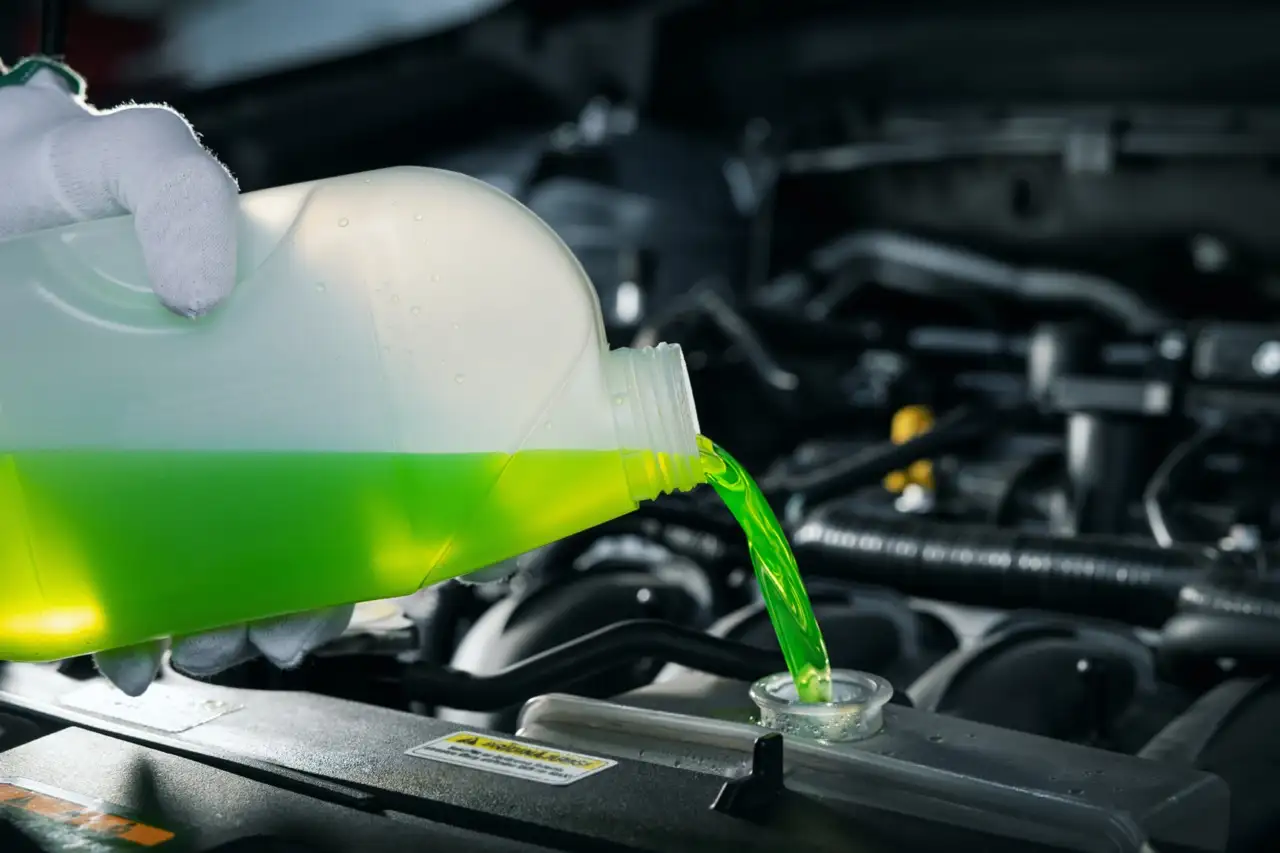
Leaking Coolant? Bring It To A Halt With Car Radiator Replacement
Are you fed up with constantly checking your car’s coolant levels and finding they’re lower than they should be? Maybe you’ve noticed some mysterious puddles forming under your vehicle, and you have no idea where they’re coming from. Well, if you see a pool of green, pink, or orange liquid under your vehicle and wonder where it came from, chances are you’ve got a coolant leak.
While this issue can be significant, fear not and bring it to a halt with car radiator replacement. In this blog post, we’ll dive into what causes coolant leaks and how a new radiator can save the day. So, buckle up and let’s nip that leaking in the bud.
Radiator Coolant: The Lifeblood Of Car Engines
Coolant, also known as antifreeze, is a liquid that circulates through your car’s engine and radiator block that helps regulate its temperature. But it’s not just any liquid – it’s specially formulated with water and a chemical called ethylene glycol to withstand high temperatures.
“Why is it the lifeblood of my engine?”
Here’s how it works: As your car runs, the engine generates a ton of heat. The coolant absorbs that heat and carries it to the radiator, which cools down by passing through a series of fins. Then, the now-cooled coolant returns to the engine block to start the process.
It helps maintain a steady temperature in your engine, keeping it cool in the summer and warm in the winter. Without it, your engine would overheat or freeze, causing significant damage that could be expensive to fix.
Leaky Radiator Got You Down? Here Are The Culprits
Now, let’s dive into the most common causes of coolant leaks in the radiator.
First off, let’s talk about corrosion. Over time, the metal in your radiator will break down due to constant exposure to coolant and other elements. This can create tiny holes in the radiator, allowing coolant to leak.
Next up, cracks. Like corrosion, cracks also form in the radiator due to wear and tear. Cracks occur due to physical damage, such as a rock hitting the radiator while driving. And as the crack will only grow larger over time, it can worsen the coolant leak.
Loose connections are also one of the hidden culprits. Coolant can leak out if the connections between your radiator and other parts of your car are not tight enough. While this issue is usually a quick fix as you simply need to tighten the connections, you must replace them entirely if they are severely damaged or worn.
Double Trouble: Coolant Leaks Catastrophe
As automotive experts who have spent countless hours tinkering under the hood of a car, let me tell you that coolant leaks are no joke.
They can be a real pain in the neck as they can cause your engine to overheat. And as we know, when your engine starts to overheat, everything follows. When this happens, it can cause damage to other parts of your car, like the water pump and the thermostat. If these parts get damaged, you’re looking at even more repairs and money out of your pocket.
But the trouble doesn’t stop there. Coolant leaks can also cause your car to emit white smoke from the exhaust, which is a sign that coolant is getting into your engine’s combustion chamber.
The Cold Hard Truth: Why Radiator Repair Can't Guarantee To Stop The Leak
You might think repairing your leaky radiator is the best option because it’s cheaper than a replacement. But let me tell you the cold truth: radiator repair cannot guarantee that the coolant will stop leaking.
Here’s why: Radiators are made up of thin tubes and fins that are incredibly delicate. Even the tiniest damage can cause a leak; repairing it doesn’t always fix the problem. In fact, the fix might only last for a short time before another leak pops up.
Save Your Engine, Replace Your Radiator Now!
Even if a radiator repair seems to work initially, there’s still a great chance that the leak will return sooner or later. That’s why a radiator replacement is your best option in the long run. A new radiator may seem a hefty expense upfront, but it can guarantee to prevent leaks in the future.
Plus, it will help you save money ultimately since you won’t have to keep shelling out for repairs. So, if you’re dealing with a radiator leak, save money on hefty repairs that might not work.
And if you’re located in Meridian, ID, Meridian Automotive is your go-to destination for top-quality radiator repair services.
We only use OEM and manufacturer-approved in replacing your radiators to ensure that our replacement service lasts and that your vehicle is free from coolant radiator leaks for years. It means that the newly installed radiator is of superior quality and guaranteed to last and work accurately.
Key Takeaway
Remember, prevention is always better than cure. Coolant leaks can happen anytime and in any car without you noticing until it’s too late. And when it comes to coolant leaks, a car radiator replacement is the key. A new auto radiator can go a long way in keeping your engine cool and your car working at its peak.
05/05/2023Read more5 DASHBOARD LIGHTS YOU DON’T WANT TO IGNORE
As a vehicle owner, putting your key in the ignition and starting your car only to be met with the shine of an illuminated dashboard warning light can be a daunting experience. You may feel a knot in the pit of your stomach when you begin to think about the possibilities of what could be wrong with your vehicle. Many thoughts may cross your mind. How much is this going to cost? How long are you going to be inconvenienced by this? Do you need to add a trip to the auto shop to your already incredibly long to-do list?
Not all dashboard lights will require immediate action, however, there are some that should not be ignored. Leaving these dashboard lights unattended could result in you being stranded on the side of the road and with a mound of costly repair bills. Here are five dashboard lights you don’t want to ignore:
- Brake Light- For your safety, the brake light should never become an afterthought. If your brake light is on, you should first check to see if the emergency brake (also known at the hand or parking brake) is on. If it is off, then the light is likely signaling that there is either a problem with the brake hydraulic system or the brake fluid level is low. In either case, your ability to stop safely could be compromised. Don’t risk your safety, or the safety of other motorists and pedestrians, by ignoring this light. Instead, bring your vehicle to the experts at Meridian Automotive right away for a brake inspection and service.
- Battery Light- There are a few ways that the battery light, also called a charging warning light, can be triggered. However, the usual culprit is that the charging system is failing to charge the batter to a voltage higher than 13.5 volts. This could be caused by corroded battery cable terminals or damaged battery plates. It could also signal a problem with the voltage regulator or alternator. Should the light come on while you are driving, your vehicle will continue to run as long as there is still life in the battery. Though once you turn off the engine, there is a good possibility that you will not be able to restart your vehicle. To reduce the strain on your battery, turn off or unplug as many electrical accessories as possible then head on over to us for a battery test, charge, or replacement.
- Oil Warning Light- The oil warning light indicates that your oil pressure or oil level is low. In either case, it is possible for your engine to stop running while you are driving. This could not only damage the engine and several other vehicle components, but could also result in an accident. If the light comes on, check your oil level. If it is low, fill it to its normal operating level to keep the engine lubricated while you drive to Meridian Automotive to have your vehicle inspected.
- Coolant Warning Light- If this light is on then your coolant level is low, or the engine is overheating. Allowing an engine to overheat can turn a minor problem into a major one, resulting is serious and costly engine damage. An overheating engine can result in the engine seizing up, cracking, and even stopping while you are driving! If your engine is overheating, pull over and turn off your vehicle and allow it to cool. After it’s cool, bring your vehicle in right away to have that light inspected by one of our automotive experts.
- Check Engine Light- This light could indicate several different problems; however, it is usually linked to a problem with the ignition, fuel, or emissions systems. If this light is on, your vehicle is telling you there is something wrong, and you need to get to the root of the problem as soon as possible. Bring your vehicle to Meridian Automotive right away for a check engine light diagnostic test.
One thing many vehicle owners are not aware of is that the dashboard lights are usually color coded, much like traffic lights, so that you can determine their level of importance.
- Red- Indicates that there is a serious problem and you should not continue to drive the vehicle.
- Yellow/Orange- indicates something needs service or repair. You can continue to drive, but should do so with caution, and have your vehicle inspected as soon as possible.
- Green/Blue- indicates a system is on, like the high beams. These are visual reminders and not a cause for alarm.
*To learn more about the different dashboard lights of your specific vehicle make and model, you should refer to your owner’s manual.
When a dashboard light appears on your vehicle, schedule an appointment with Meridian Automotive. We are here to help you with all your auto repair needs. We provide complete automotive repair in Meridian, Idaho, for most cars, light trucks, and SUV’s. For over 20 years we’ve been Meridian’s auto repair experts. Don’t just trust anyone, trust the experts at Meridian Automotive. Call us today (208) 297-5573 or schedule an appointment online.
10/10/2017Read more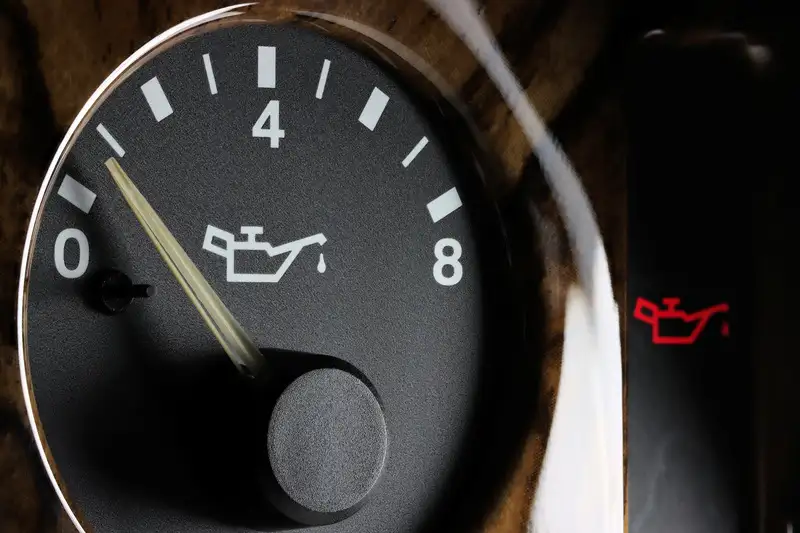
Having Trouble with a Low Oil Pressure Engine at Meridian, Idaho?
There must be something wrong with your engine. How is your car’s Lubricant? Is it running low? That is why you are having a low oil pressure engine. It is just one of the reasons why you are having a low oil pressure engine. Not having enough lubricant can cause metal to metal friction and can lead to machine failure and expensive repairs.
Some Factors Causes a Low Oil Pressure Engine
You will find that there is not enough oil running in the engine. Even when you add the right amount of engine oil to the engine, through time it may evaporate due to everyday use of your vehicle, the heat of the running engine evaporates the components of the engine oil.
Age of the engine is also a factor of increasing the use of oil, it needs to be lubricated as much as it needs to be. As the engine age it requires more oil to run within the engine to run properly.
Check if there is a leak in your engine like the tubes. Do they have cracks or a rodent made a hole. This must be addressed immediately as the oil will drip continuously to the floor and empty your engine oil. You must avoid running with low engine oil. Viscosity, it is the resistance to flow within the engine.
When we say High viscosity, there will be a resistance to motion because of how the molecular makeup is. It is very thick, like honey. Then at a Low viscosity, the liquid flows easily because the molecular makeup does not resist friction, like water.
Have you checked the Dipstick? If the dipstick indicator for the engine oil is in the minimum and maximum, it would be an indicator for worn engine bearings because of the high mileage. The bearings and the timing belt need to be replaced. This will give a low oil pressure engine.
Check also if you have a defective oil pressure gauge, why? When your oil pressure gauge light is on but the level of your engine oil is normal, temperature is normal, the engine is running normal, no unusual sounds, the problem might be the oil pressure gauge . Have it checked by a technician and if the sensor still lights up, check the oil pump it might be defective. Why not try Meridian Automotive to check what is happening to your car here at Meridian, Idaho.
How about the oil Pump? If the dipstick indicator for the engine oil is in between the minimum and maximum but you are hearing unwanted noise from your engine, your vehicle’s oil pump needs a replacement already. It could be worn out due to everyday usage and due to the car engine’s age.
Is your filter clogged? A pressure gauge is installed after the oil filter. If the filter if clogged with dust, dirt particles, metal particles from the engine, combustion by-products (not all fuel is being burnt up completely). This will deteriorate the quality of the engine oil.
How to Avoid Having Low Oil Pressure Engine
Change the oil and filter of your vehicle regularly as indicated by your auto mechanic. Use a high- quality kind of lubricant for your engine with the proper viscosity, not too thick and not too thin according to specification of the American Petroleum Institute (API).
Always check your car engine’s oil measurement regularly. Make it sure to have it always on the maximum level to ensure a safe ride and your engine is protected.
Check the color of your engine oil if it is too dark or just right. If it is too dark it means that it is too thick and the viscosity is low. Your vehicle needs to have it’s scheduled oil change right away. Call your mechanic here at Meridian, Idaho for your schedule.
Always check the under of your car when parked before you turn on your engine and go. Do not be in a hurry when it comes to checking your car’s safety.
Conclusion:
Your car has been well lubricated for the bearings to work properly and the internal engine. Check regularly the level of your oil as well as the oil’s color to avoid low viscosity.
You can check the Meridian Automotive, their technicians are all ASE (Automotive Service Excellence) certified. They underwent extensive training for handling different kinds of automotive services with different car brands. They are serious with their craftsmanship that they can deliver properly with excellence. They give a limited warranty to all their repairs and replacements within three years or 36,000 miles. Meridian Automotive gives work estimates before the job is done. If you can’t pay up front after the job they also have financing options available, just tell them. This automotive shop also has a shuttle service if you need one, when you leave your vehicle to them. No time is wasted. You can give them a call or check their website for more information.
04/15/2023Read moreDO YOU KNOW THE BENEFITS OF REGULAR TIRE ROTATION?
Vehicle maintenance is extremely important to making your vehicle last in optimal condition for as long as possible. Maintenance does not refer to the engine alone, your tires need a little TLC as well.
To get the most miles possible out of your tires, having them rotated at regular intervals is extremely important. Besides a longer tread life, you will also notice an improvement in gas mileage and enhanced handling of the vehicle- all of which saves you money in the long run.
Extended Tread Life
Several factors including driving habits, temperature and terrain can all cause uneven wear to your tires. Having the tires rotated every 5,000 to 10,000 miles (check your owner’s manual for your vehicle specifics) will help balance out tire wear- helping to prevent undesirable problems. Wear that occurs from turning the same tire the same direction over and over for miles and miles is known as pattern wear. With tire rotation, you can better avoid pattern wear. Also, front-wheel drive vehicles put extra stress on the front tires as they are required to drive and steer the vehicle. Exchanging these tires with the rear wheel tires regularly spreads out wear. Include your full-size spare in the tire rotation process to increase the life of each tire by nearly 20 percent.
Enhanced Vehicle Performance
Vehicle riding comfort, stability, and performance are compromised when tire rotations are neglected. Road friction is created when tires are strained unevenly because of wear differences. This could lead to other problems like front-end misalignment and a loss of balance.
Improved Gas Mileage
Regularly rotating the tires reduces the amount of work it takes to drive your vehicle. When the wear is evenly spread, road friction and vehicle pull are lessened and stability and traction increases. These factors assist the engine in running efficiently and smoothly- which decreases how much gas your vehicle uses. Using less gas means better gas mileage overall.
Money Saving Benefits
When tire rotation is performed regularly, you save money. Rotating your tires at the intervals set in your owner’s manual will help you to avoid pricey repairs. You will also enjoy a savings on gas. Also, by extending the life of your current tires, you save money by not needing to replace them as frequently. Spending a little now on a tire rotation adds up to spending a lot less money than it would down the road after you have put your vehicle at risk for expensive breakdowns and mechanical repairs- or, potentially, an accident.
If you are in need of a tire rotation, give us a visit. Meridian Automotive provides complete automotive repair in Meridian, Idaho, for most cars, light trucks, and SUV’s. For over 20 years we’ve been Meridian’s auto repair experts. Don’t just trust anyone with your automotive repair needs, trust the experts at Meridian Automotive. Call us today (208) 297-5573 or schedule an appointment online.
07/10/2017Read more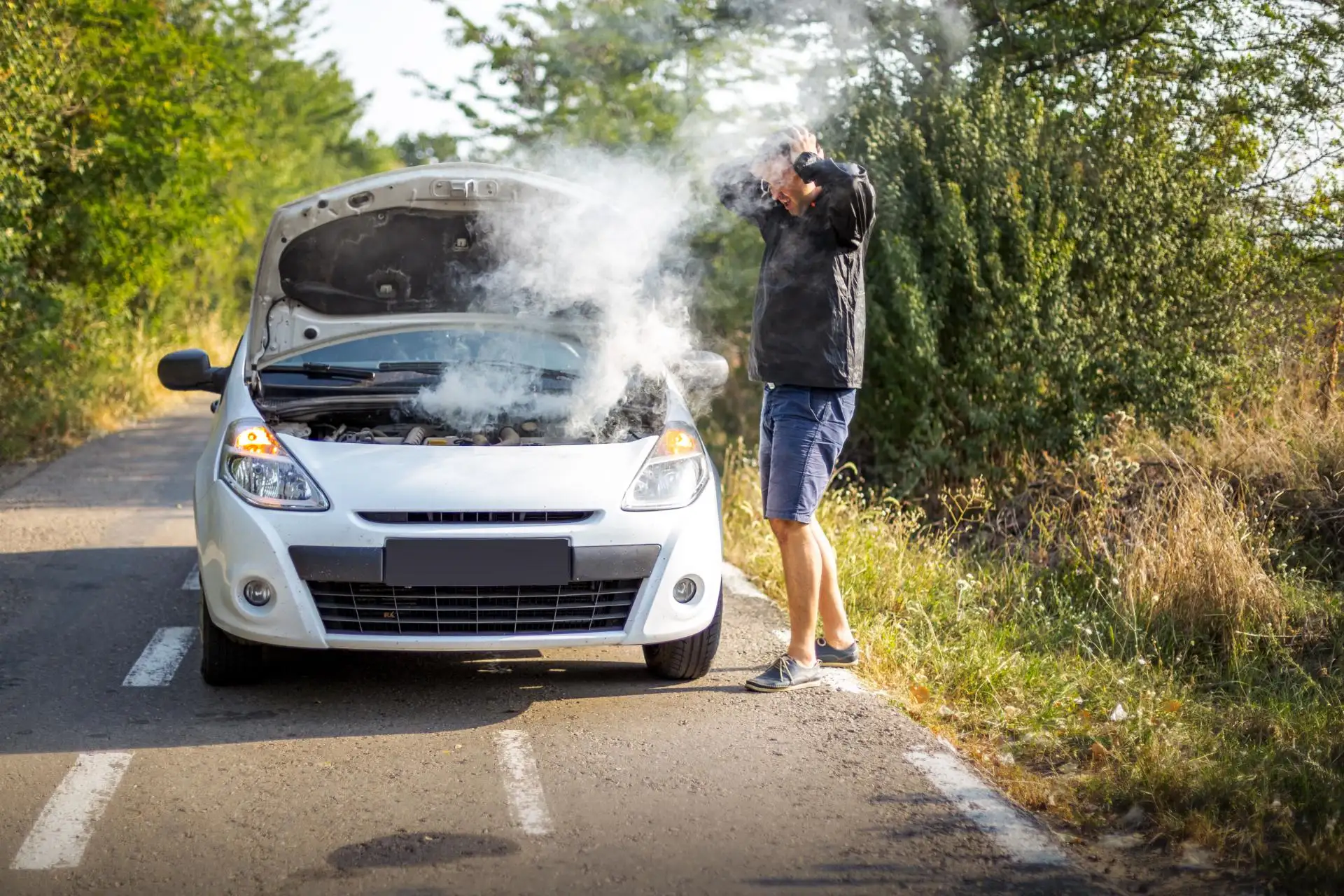
White Smoke From Under The Hood: Is It Time For An Auto Radiator Repair?
Did you notice white smoke coming from under the hood of your car and thought, “No worries, it’s just steam”? Well, I’m sorry to break it to y’all, but that white smoke clearly indicates a problem with your car radiator and that it’s time to get an auto radiator repaired soon.
Your radiator keeps your engine cool, and when it gets busted, it can cause all sorts of issues, including that white smoke you saw. So, before you brush it off as no biggie, let me tell you – this is not a problem you can’t afford to ignore.
In this blog post, we’ll go over what could be causing that white smoke and what you should expect when you bring your vehicle in for an auto radiator repair. So, sit tight and let’s get started on tinkering with your car radiator.
White Smoke = Red Flag: What Your Car Is Trying to Tell You?
When you see white smoke under your car’s hood, there’s a problem with your radiator and engine. It’s your car’s way of saying, “Hey, something’s not right here!”
It’s not like seeing a car driving in the winter with white smoke from the tailpipe caused by condensation in the exhaust system. Nope, this is a different ballgame.
When your car runs properly, you shouldn’t see any smoke from under the hood. The only time you’ll see a little bit of smoke is when you first start your car on a cold morning, but even then, it should clear up pretty quickly.
Behind The Smoke: A Busted Radiator
If you see white Smoke coming from under your car’s hood, don’t panic just yet. However, it’s still crucial to figure out what’s causing that Smoke before it becomes a bigger problem.
The top cause of this puzzle is a defective radiator. As mentioned above, the radiator system’s components work together so your engine can withstand the heat it generates. However, like any other system in your vehicle, the radiator and its parts become vulnerable to wear and tear over time.
So, when any of its parts malfunctions, it can consequently cause the engine to overheat. This, in turn, can cause white Smoke to billow from under your hood.
So, what radiator parts will most likely become damaged and cause this issue?
First in line is the radiator hose. This hose connects the radiator to the engine and can become worn or cracked over time. When this happens, the coolant in your radiator leaks, causing the engine to overheat and billow white Smoke.
Another part of the radiator that’s a possible culprit is the radiator cap. This little guy may seem insignificant, but it plays a vital role in regulating the pressure inside the radiator. If the cap becomes damaged or fails to seal correctly, it can cause coolant to escape and lead to overheating and white smoke.
Stay Cool Under Pressure: It's Time To Get A Auto Radiator Repair Now!
That white smoke from under the hood will not disappear on its own. So if you notice even just a little steam, don’t risk driving your car and take it to an auto mechanic now.
There are a range of auto radiator services, depending on the severity of the damage. If it’s only a minor radiator leak, you can just pull it off by simply patching it up. However, if the damage is significant, like corrosion and cracks, you might need to replace the hoses or install a new radiator.
Now, I know what you’re thinking – this all sounds pretty expensive. And, well, it can be. But here’s the thing – if you don’t tend to this problem now, it will only worsen. The worse it gets, the more hefty bills will come out of your pocket from repairs. Trust me; it’s better to deal with it now than wait until it’s too late.
Best Auto Radiator Repair Services Near You | Meridian, ID
If you’re from Meridian, ID, troubled with the white Smoke from under the hood of your car, you’re lucky because Meridian Automotive is here to save the day.
If you entrust your vehicle to our team, you can be confident that we can accurately diagnose what’s causing that pesky smoke. With our comprehensive car radiator repairs, we guarantee that our expert auto technicians can fix any damaged part in your radiator system effectively and efficiently.
Key Takeaway
So, what’s the bottom line? Simply put, your car tries to tell you something when it starts smoking. So don’t ignore the warning signs. Bring your vehicle to a dependable auto repair shop for an auto radiator repair service, so they can look at your radiator and determine the best course of action.
Don’t be fooled by that little cloud. Bring your car to Meridian Automotive today for quality and accurate radiator diagnosis and repairs. By promptly addressing the issue, you can prevent further damage to your engine and vehicle.
08/10/2023Read moreTRANSMISSION REPAIR AND REPLACEMENT
The human body runs on various systems. We have our circulatory system, skeletal system, respiratory system, and so on. We need each system to work properly to remain healthy. Our vehicles are the same. They contain a series of systems that work together to keep it functioning properly. Each system needs to be properly maintained and taken care of.
This is the tenth, and final post in a series of blogs we are sharing about the various vehicle systems and their function. Please also see:
Vehicle Systems: The Brake System Vehicle Systems: Fuel System Vehicle Systems: Belts and Hoses Vehicle Systems: Lighting and Wipers Vehicle Systems: Emission System Vehicle Systems: Starting, Charging, and Battery Vehicle Systems: The Engine Cooling System Vehicle Systems: The Exhaust System Vehicle Systems: Steering and Suspension ABOUT THE TRANSMISSION SYSTEM
Whether it’s automatic or manual, the transmission plays a major role in the overall performance of the vehicle. It works with the engine to provide power to the vehicle’s wheels.
Parts of the transmission system include:
- Automatic transmission/transaxle or manual transmission/transaxle
- CV joint/axle/boot
- Half shaft
- Torque converter
- Transfer case (only in some all-wheel-drive or four-wheel-drive vehicles)
- Transmission fluid/dipstick
- Universal joints
The transmission, whether it be automatic or manual, is responsible for keeping the engine’s productivity optimally matched to the speed and load conditions. The torque converter, connected to the automatic transmission/transaxle input shaft, connects, multiplies and interrupts the flow of engine torque into the transmission. CV or universal joints connect to the driveshaft to transmit output power from the transmission to the front axle on front-wheel-drive cars or the rear axle on rear-wheel-drive cars. These joints allow the drive shaft to work at an angle. The transmission fluid cleans, lubricates, transmits force, transmits pressure, inhibits varnish buildup and protects the transmission.
WEAR, TEAR, AND COMMON SYMPTOMS
Driving habits, towing or excessive loads, operating conditions, condition of the transmission fluid, and the frequency of regular maintenance can all influence the amount of wear on the transmission system. As one of the most complicated components of your vehicle, the transmission can be difficult to diagnose. Sometimes what appears to be a transmission problem is not a related to the transmission at all! At Meridian Auto, we have certified transmission experts with over 20 years’ experience that can accurately solve your transmission problems.
Signs of a failing transmission include:
- Difficulty shifting
- Bucking
- Grinding gears
- Hesitation
- Slipping
- Check engine light
- Transmission light
- Transmission fluid leak
Depending on the specific problem of your vehicle’s transmission, the repair costs can range anywhere from $150 to upwards of $2,500. In order to avoid serious damage and costly repairs, you should have your vehicle serviced at the first sign of transmission trouble.
TRANSMISSION SERVICES AT MERIDIAN AUTOMOTIVE
Transmission system services at Meridian Automotive include:
- Transmission repair
- Transmission replacement
- Transmission rebuilding
- Transmission fluid check
- Transmission fluid flush
- Transmission fluid change
- Clutch repair and replacement
If you’re in need of a transmission system inspection and/or repair, don’t trust just anyone, trust the experts at Meridian Automotive. Call us at (208) 297-5573 or schedule an appointment online.
05/31/2017Read moreWHY IS MY CAR VIBRATING?
Have you ever been driving and notice your vehicle vibrating? If so, it could indicate any number of issues from tire to engine problems.
Driving a car that continuously vibrates, resulting in your hands shaking on the wheel and maybe even some teeth chattering, can make for an irritating ride. There are many things that could cause vibrations, but some are more common than others. Read on to discover the top six reasons why your car vibrates.
- Tire problems. Tires that are unbalanced or have uneven tread wear can cause your vehicle to vibrate. Have your tires balanced at least once a year to ensure equal weight distribution around each wheel. Rotating the tires every 6,000 miles to prevent uneven tread wear also helps prevent vibrating.
- Engine misfire. A misfiring engine can lead to vibrations. When the cylinders are not producing a spark, a misfire is the result and it causes a noticeable shake. In the engine things happen at a specific speed. When there is an inconsistency the vehicle vibrates. Worn spark plugs are a common cause of engine misfire.
- Warped rotors. When the rotors are warped the steering wheel and body of the car may vibrate. The shaking will happen when you brake. The rotors usually warp after the brake pads have completely worn and metal is rubbing against metal. If the rotors are warped they will need to be replaced and you will likely need new pads as well. Replacing four rotors and brake pads can be rather expensive, so maintaining your brakes at the regular intervals outlined in your owner’s manual is very important.
- Loose front end components. With some steering systems, the inner and outer tie rods will break down leading to vibrations. Tie rods are responsible for connecting your vehicle’s steering arm to the steering rack. If the tie rod ends have a lot of wear they should be replaced.
- Damaged motor mount. Motor mounts are meant to connect a vehicle’s engine to the frame and prevent vibrations. When they go bad, they will not absorb the rotation or vibration of the motor resulting in noticeable vibration. Like many other vehicle components, the motor mounts go bad over time from aging and use and will need to be replaced. Regular vehicle maintenance will monitor the condition of the motor mounts so you can replace them before a serious problem occurs.
- Trouble with the drive shaft. Typically, drive shafts are found in vehicles with four-wheel and rear-wheel drive, like pickup trucks. The drive shaft delivers power to the back of the vehicle from the engine and transmission. They are located under the vehicle and can be damaged if they hit the ground (a common occurrence when off-roading), which would cause the vehicle to vibrate.
If you are having problems with vehicle vibration, give us a visit. Meridian Automotive provides complete automotive repair in Meridian, Idaho, for most cars, light trucks, and SUV’s. For over 20 years we’ve been Meridian’s auto repair experts. Don’t just trust anyone with your automotive repair needs, trust the experts at Meridian Automotive. Call us today (208) 297-5573 or schedule an appointment online.
05/22/2017Read moreBenefits of Taking Your Car to Auto Mechanics Near Me Meridian ID
Life happens, and we’re all too busy to worry about little things such as car maintenance. But did you know that driving your vehicle a few hundred miles more instead of bringing it to auto mechanics near me Meridian ID can do your car more harm than good?
Never put off your scheduled car care. Whether it needs an oil change or a tune-up, your car must get the routine service it needs at an automotive shop in Meridian, Idaho. Meridian Automotive will help ensure that your vehicle retains its optimal performance and extend its lifespan.
Why Bring Your Car to Auto Mechanics Near Me Meridian ID?
Keeping up with your vehicle’s routine maintenance can be inconvenient, especially if you live a busy life. But taking the time to give your car some TLC can mean the difference between dealing with minor fixes and paying for costly repairs and replacements. Here are the reasons why you should take your car to our auto mechanics in Meridian ID.
Improve Your Safety and Car’s Performance
Bringing your car to auto mechanics near me Meridian ID can help improve your safety while driving your vehicle. They ensure that all the car parts are working correctly and look for components that may develop issues.
Aside from increased safety, auto specialists can make your car perform better provided that it gets the regular maintenance it needs. Imagine driving a car with a reliable engine, stable steering, and improved tire traction. These are some of the benefits of getting your car serviced regularly.
Cut Fuel Costs, Save Money
A well-maintained car is fuel-efficient. But if it’s not, you’ll notice the gas mileage go down, which means you’ll have to gas up more frequently. So, have your vehicle checked by auto mechanics near me Meridian ID now. Routine car care means lower risks of encountering major car issues. Pay a few hundred dollars now and save up to thousands worth of car repairs.
Keep Your Car’s Value
You can sell your car for a better price if your vehicle is well taken care of. It’s in excellent condition, which is what buyers want when shopping for second-hand cars.
Debunking Common Auto Maintenance Myths
You’ve probably heard about various tips on how to maintain cars. But not all of these are true. Some auto maintenance myths are false.
First of all, premium fuel is not always better for your car, unless your vehicle has a high performance and high compression engine. You can use regular gasoline if you own an average-priced car.
There’s also a myth that having your car serviced at third-party auto shops in Meridian, Idaho will void the warranty. That’s not true. Dealerships want you to go to them for your car maintenance, but any auto repair and replacement shop can do it without voiding your warranty.
Contrary to some people’s belief, you don’t have to replace all four tires simultaneously. You can replace the tires separately. Just be sure that the new tire is the same size, model, and brand as the rest of the tires of your car. Furthermore, refueling in the morning doesn’t save you money on gas. You can do this any time of day.
Find the Right Auto Mechanic
You’ll find a lot of auto repair and maintenance shops in Meridian Idaho. Do your research first so you can make an informed choice.
You can have your vehicle serviced by a dealership. But the mechanics there work only on one brand of car. Meanwhile, independent garages provide you with a range of repairs and maintenance services. As for specialty shops, their auto specialists specialize in a particular type of repair or type of car.
10/03/2021Read moreHOW TO TELL IF YOUR CATALYTIC CONVERTER IS BAD
“What’s that wretched smell?” Have you ever finished driving your vehicle and noticed the acrid scent of rotten eggs? If so, pay attention, this is often the first and most common sign that your catalytic converter is starting to fail.
Catalytic converters have been standard on vehicles since the mid-1970s. It was then that people had become more concerned with the effect that automobiles were having on the environment and took action to control it. The catalytic converter is an essential part of your vehicle’s emissions control system, filtering out pollutants that are created through the combustion process. Catalytic converters are a very sturdy part of the vehicle, and they will usually last for the duration of its life. For that reason, most people are unsure of what to look for when a catalytic converter goes bad, even though they have been a vehicle standard for nearly 40 years.
Fun Fact! If you drive an all-electric vehicle (the kind that you plug in to recharge and use NO gasoline or diesel fuel at all), then you do NOT have a catalytic converter. Hybrid vehicles that do still require fuel will still have a catalytic converter. Catalytic converters break down gases that go unburned during the combustion process. Carbon monoxide, nitric oxide, and unburned hydrocarbons can all cause smog and are toxic to humans. When you start your vehicle, these poisonous gases are pushed through the internal structure of the catalytic converter. The catalysts are around 800 degrees Fahrenheit and convert these gases into elements that are safer for humans like carbon dioxide, oxygen and water.
How Can You Tell If Your Catalytic Converter is Going Bad?
As we stated above, a catalytic converter will usually last for the entire life of your vehicle. However, nothing is perfect, and there is a small chance that you will experience catalytic converter failure. If that should happen, you will notice some, if not all the following symptoms:
- Sudden drop in fuel efficiency
- Failure to accelerate when you press on the gas
- Vehicle won’t start
- Failed emissions test
- Check Engine light is on
- Rotten egg smell
If you notice any of these symptoms, get in touch with us right away to schedule an appointment to have your catalytic converter tested.
Did you know? Catalytic Converter theft has become popular because of their value (most metal recyclers pay around $50 for one), relative ease to steal, and their lack of identifying markings. Why Do Catalytic Converters Fail?
Lots of mileage and old age is the most common reason a catalytic converter will fail. Often you will find it has simply become clogged. It is possible it can become so clogged that no exhaust can get through to reach the muffler and escape the vehicle. If exhaust cannot escape, there is a chance that it can harm the engine and lead to engine failure.
Problems with other parts of the vehicle such as worn spark plugs, a weak ignition system, worn piston rings or a head gasket leak can also lead to catalytic converter failure.
Often the first signs of catalytic converter failure are the sulfuric, rotten egg smell and the check engine light coming on. Never ignore these signs. If it should fail again shortly after a replacement, the problem is likely being caused by a separate part of the vehicle. If that issue should go unresolved, the catalytic converter will continue failing. We cannot stress the importance of regular preventative maintenance enough for the health and longevity of your vehicle and all its parts.
If you suspect there is a problem with your catalytic converter, we can help. The repair specialists at Meridian Automotive provide complete automotive repair in Meridian, Idaho, for most cars, light trucks, and SUV’s. Call us today (208) 888-3797 or schedule an appointment online.
12/03/2019Read moreTips For General Car Maintenance near me Meridian ID
A car is a significant investment that comes with several responsibilities, including bringing it to a shop that offers car maintenance near me Meridian ID. Once you become a car owner, you need to take care of it to ensure its safety and reliability. With routine upkeep, you can extend the life of your vehicle and keep it running at peak performance.
Exterior Car Maintenance Tips
There are a few things you need to do to keep the exterior part of your vehicle in good condition. First of all, you should drive with care. Avoid accelerating your engine during start-up because it could lead to premature deterioration. Practice slow acceleration whenever you use your car in Meridian, Idaho. Give your engine time to rest when you stop at a red light by shifting to neutral.
Another simple car maintenance tip is to wash your car at least once a week to avoid corrosion and keep it clean and shiny. The interior is as important as the exterior. You must vacuum it thoroughly and clean any spilled liquids. If you cannot do this on your own, you will find several auto shops in Meridian, ID that can do it for you.
Washing is insufficient. You should wax your car, too. It adds an extra shine, helps slow down oxidation, and creates a barrier against pollution and bird droppings.
Check These Car Parts Regularly
Your car maintenance checklist must also include checking on certain vehicle parts. You can do this or hire an automotive specialist in Meridian, Idaho to help you out. You should inspect the air filter and ensure that it is not clogged or fit loosely. Maintain fuel economy by regularly checking the tire pressure. You may find the recommended tire pressure on the manual. Get the tires balanced and rotated.
Test the battery regularly to ensure that it will perform well as expected. Bring your vehicle for car maintenance near me Meridian ID for a thorough inspection of its components such as spark plugs. You have to ensure that it is functioning properly so the engine works at its optimum capacity.
Bring Your Vehicle to the Pros for Car Maintenance Near Me Meridian ID
There are car maintenance tasks that you can do on your own at home. But there are times when your vehicle needs professional car maintenance near me Meridian, Idaho. When that happens, bring your vehicle to Meridian Automotive. You can rest easy knowing that your car is in the hands of an expert.
Improve Your Driving Habits
How you drive your car will reflect on its condition. Your vehicle will wear out faster if you are fond of making sharp quick turns, fast take-off, and quick brakes. Drive smart and safe to reduce wear and tear and maintain fuel economy. Avoid making sudden stops and drive below the speed limit. Improve your driving habits to make your car last longer and safer to drive.
Meridian Automotive has been around since 1993. Our auto repair shop services a wide range of cars, trucks, and SUVs. Our team strives to provide top-quality car repair and maintenance services that meet and even exceed the expectation of our clients. We work hard to offer customer-friendly auto assistance based on trust, integrity, and satisfaction.
Our ASE-certified, experienced, skilled, and trained auto specialists can deal with domestic and imported cars. Air conditioning service, brake fluid flush and change, automatic transmission service, diagnostics, emission repair, and oil change are some of the services we offer.
Call Meridian Automotive now at 208-888-3797 and let our professional car mechanics take care of all your car repair and maintenance needs.
07/26/2021Read moreWhy Do You Need to Bring Your Car to an Auto Shop near me Meridian ID?
There are countless reasons why you should bring your car to an auto shop near me Meridian ID. Although there are basic auto maintenance tasks that you can do on your own, there are some jobs that are way too complicated for you to perform on your own. That’s why you should bring your vehicle to a trusted car mechanic.
Listed below are reasons to bring your vehicle to an auto shop in Meridian, Idaho.
Reasons To Take Your Vehicle to an Auto Shop near me Meridian ID
Fluid Leaks
Car manufacturers design their vehicles in a way that allows them to store different kinds of fluids, such as coolant, oil, and fuel. You must not ignore any form of leaks coming from your vehicle. You have to bring it to an auto specialist in Meridian ID right away. Have your car serviced as soon as you can. This way, you can avoid costly repairs and prevent your pets from getting harmed after ingesting leaked fluids.
Unusual Noises
When you purchase a car, you know how it usually sounds when you drive it. Bring your vehicle to an auto shop near me Meridian ID if you hear any unusual noises coming from your car.
Automotive specialists from Meridian ID will perform diagnostics to determine the source of the problem. Clunking noise may mean you have a problem with the suspension, squealing sounds for the brakes, dragging noise for the wheel bearings, or an uneven engine noise, which will cause engine misfiring.
Steering Issues
You should bring your vehicle to an auto shop in Meridian, Idaho right away if you suspect it has steering problems. Watch out for signs like a vibrating or loose steering wheel, and a steering wheel pulling to your right or left.
Engine Warning Light
Your car needs the expert assistance of a mechanic from an auto shop in Meridian ID if you see the engine warning light turn on. The engine warning light could mean your car has a problem or is due for maintenance.
Find a Reputable Auto Shop In Meridian, Idaho
There are different ways to find a reliable auto shop in Meridian ID. You can go to the dealership where you purchased your vehicle. They employ a mechanic who can help with your car problems. You may also ask for recommendations from friends, family, and even coworkers.
Don’t Forget To Ask For An Estimate
Look for an auto shop in Meridian, Idaho that offers a free estimate. Most service facilities provide a written estimate of how much you need to pay for the service you require.
Choose ASE-Certified Technicians
Choose an auto shop in Meridian ID that is rated in AAA.com. An auto shop that follows AAA’s guidelines has ASE-certified mechanics. You can rest easy knowing that the technician who will take care of your car has the experience and knowledge to do the job correctly.
Whether you need an oil change, regular maintenance, or major repairs, let Meridian Automotive take care of all your car repair and maintenance needs. Call us now at 208-888-3797 or book an appointment online.
06/21/2021Read moreHOW TO KILL CORONAVIRUS IN YOUR CAR WITHOUT CAUSING INTERIOR SURFACE DAMAGE
With the threat of the Coronavirus hanging over our heads every time we leave the house, we all want to do our part to prevent its spread. We want to make sure that when we make our essential runs to the pharmacy or grocery store that we are not bringing something back with us. While most of us are careful with handwashing and disinfecting our homes, we mustn’t skip the inside of our vehicles.
According to the Centers for Disease Control and Prevention (CDC), two of the best ways to protect yourself and to prevent spreading the coronavirus is to wash your hands and disinfect high-touch surfaces regularly. Frequently touched surfaces in your vehicle include:
- Door handles
- Touch screens and radio controls/buttons
- Wiper and turn signal stalks
- Steering wheel
- Shift lever
- Armrests
- Seat adjusters
The interior surfaces of your vehicle are not as durable as those in your kitchen or bathroom. So, how do you disinfect them without causing any damage?
According to the CDC, an Isopropyl Alcohol solution of at least 70 percent alcohol is effective against coronavirus. It is also safe to use on almost all surfaces inside your vehicle. Jeff Stout of Yanfeng Automotive Interiors stated in a Consumer Reports interview that they will often use isopropyl alcohol “for any last-minute smudges and details” before they ship their products. He says that it is safe to use on everything from plastic trim to painted chrome, imitation leather, and even soft cloth upholstery.
Another option that is mostly safe for vehicle interiors that is also effective against coronavirus is simple soap and water. Soap and water are the preferred method for fabrics and older leather interiors. Over time, cleaning leather surfaces with alcohol can cause the urethane coating to breakdown and leave it susceptible to discoloration and damage. Soap and water are a safe alternative; however, you do not want to scrub too hard. Vehicle leather is usually dyed, and vigorous scrubbing has been known to remove the dye. After you have disinfected your leather surface with either soap and water or isopropyl alcohol, consider cleaning it with a cleaner meant for automotive leather and then using a leather conditioner to keep it protected from damage.
For fabric upholstery, you want to make sure that you are not overly soaking the material with water or using too much soap. You do not want too many suds as they are difficult to remove, and too much water could soak into the cushion under the fabric, which is difficult to dry. This could result in your seats smelling musty and could potentially result in mold growth. All you need to do is agitate the fabric with a small amount of water and soap on a cloth.
Automotive interior experts like Stout recommend cleaning all interior surfaces of your vehicle with a microfiber cloth. These cloths are made of a fabric that has small loops that will catch dirt particles and whisk them away before they can scratch shiny and delicate surfaces. When you use paper towels and the like, the dirt clings to it, creating a sort of sandpaper effect.
You should never use bleach or hydrogen peroxide on the interior surfaces of your vehicle. While both are effective at killing the coronavirus, they are damaging to upholstery. You should also never use ammonia-based cleaners on any touch screens in your vehicle. It can strip or damage the anti-fingerprint and anti-glare coatings.
Besides disinfecting your vehicle’s interior, it is also extremely important to remember to wash your hands before and after you drive. The CDC states that handwashing is one of the best ways to protect ourselves from coronavirus, so one of your top priorities should be to keep your hands clean. This is a good habit to have, even when the threat of coronavirus has subsided, as it can keep your steering wheel and other surfaces that you touch frequently from appearing dirty and protect you from ailments such as the cold or flu.
Meridian Automotive – Trusted Auto Repair in Meridian, Idaho Since 1993
If you need automotive maintenance or repair, the experts at Meridian Automotive are here for you. At Meridian Automotive, we strive to deliver superb auto repair that exceeds our customers’ expectations. We aim to provide a customer-friendly environment that promotes confidence and integrity–especially in difficult times such as these. Please call us at 208-888-3797 if you have any questions/concerns or to schedule an appointment. You can also click here to schedule an appointment online.
04/22/2020Read moreCHECK THESE 5 FLUIDS IN THE SPRING FOR THE BEST VEHICLE PERFORMANCE
Spring cleaning is not just for your home. Once the weather starts to warm up, your vehicle needs a little extra TLC too.
In the spring, you should be checking, and – if needed – changing these five important fluids for optimal vehicle performance:
- Freon/Refrigerant
In the spring, temperatures start to rise, so it is safe to say that you will, at some point, switch from using the heat to using the AC. You will want to make sure your vehicle’s air conditioning system is up to the task. So, now is the perfect time to have our automotive specialists check your freon or refrigerant levels.
- Radiator Fluid
Like refrigerant/freon helps to keep you from overheating when the temperatures rise, radiator fluid keeps your vehicle’s engine from overheating. If you are low on this vital fluid, you risk finding yourself stranded on the side of the road.
You should check your owner’s manual for recommendations specific to your vehicle on how often you should change the radiator fluid. A radiator flush and refill are important to cooling system maintenance. The fresh fluid keeps the engine running cooler, and a flush helps to remove unwanted dirt and debris that can damage expensive cooling system parts.
- Transmission Fluid
Transmission fluid is vital to the smooth performance of your vehicle. It acts as a hydraulic and an oil, helping to lubricate moving parts, keeping the transmission cool, and facilitating gear shifts. All of which are vital vehicle functions. Ignoring this fluid results in slipping gears, squealing or grinding while shifting, and trouble shifting. Transmission fluid change and flush intervals are specific to each different vehicle make and model. These intervals are often laid out in your owner’s manual. You should never put off transmission fluid maintenance, to do so could result in expensive vehicle damage down the road.
- Motor Oil
Regular oil changes are crucial to the longevity of your vehicle. As temperatures and driving conditions change, changing the oil can be especially important. Check the oil for cleanliness, and if it is low, top it off. If you have reached the interval set in your vehicle owner’s manual, schedule an appointment with us today. With the pollen and dust that comes with spring in the air, it is good to start with fresh clean oil and oil filters.
- Windshield Wiper Fluid
Spring brings with it bugs, rain, and birds in flight, all of which can pepper your windshield with view-blocking dirt and debris. Windshield wiper fluid can assist you in removing these problems, making it easier for you to see while you drive, until you can get somewhere you can thoroughly clean your windshield.
This spring is a little different than those we have experienced in the past. The coronavirus has many of us staying isolated indoors and driving minimally. However, automotive repair and maintenance is still a must. The experts at Meridian Automotive are here for you. If you need automotive repair or maintenance or have any questions and/or concerns, please call us at 208-888-3797. You may also schedule an appointment online here.
04/22/2020Read moreHOW POTHOLES DAMAGE YOUR VEHICLE
With spring upon us, we have officially entered pothole season. Potholes are more than just a driving nuisance; they can also be your vehicle’s worst enemy.
A pothole is an area of the road’s surface that has cracked, worn away, and formed a hole. It starts as a crack, and if it is not fixed quickly it can grow into a hole anywhere from a couple of inches wide and deep to a hole that is more than a few feet wide and several inches deep. These holes can cause serious harm to your alignment, steering and suspension, and wheels.
These are three ways that running over a pothole can damage your vehicle:
- Steering and Suspension Damage
The steering and suspension systems work together to determine how your vehicle rides and handles. Major components of these systems include the ball joints, bearings, seals and hub units, shocks and/or struts, steering box/rack, steering knuckle, and tie rod ends. Signs that there has been damage to the steering and/or suspension system include:
- Loss of control
- Swaying on turns
- Bottoming out or excessive bouncing
- The front end of the vehicle dives when braking
- The rear end of the vehicle squats when accelerating
- The vehicle sits lower than usual in either the front or rear
If you suspect that running over a pothole has caused damage to either of these essential driving systems, do not hesitate to bring your vehicle in for service. The sooner the problem is addressed the cheaper and easier it will be to correct.
- Wheel Alignment
Driving over a pothole has the potential to knock your wheels out of alignment. You might not think too much of this, but proper wheel alignment is important as it helps to ensure safe vehicle handling. It also improves the lifespan of your tires. Signs that your wheel alignment is off include:
- Uneven tire wear
- Vehicle pulling in one direction, instead of staying on a straight path
- Visible Tire Damage
Some tire damage caused by potholes will be visible to the naked eye. The tires are the only thing between your vehicle and the road under all sorts of driving conditions. As such, any damage to them should be addressed quickly. Things to look for after hitting a pothole include:
- Sidewall bulges and/or blisters
- Dents in the rim
- Low tire pressure
Meridian Automotive- Car Care Experts You Can Trust
If you have hit a pothole and experience any of the above problems, having your vehicle inspected by one of our highly skilled automotive technicians is a must. Our mechanics are ASE certified and provide automotive care that is both high-quality and cost friendly. Schedule your appointment online today or call us at 208-888-3797.
03/31/2020Read moreWHAT HAPPENS TO YOUR CAR WHEN YOU RUN OUT OF GAS?
After you’ve driven your vehicle for a while you kind of get to know it like you do the back of your hand. You know what each small sound means, you know when it feels “normal” and when it feels “off.” This knowledge likely came with a lot of trial and error.
One way we commonly push our vehicle’s abilities is where the gas tank is concerned. Often, when you drive with someone and point out that their vehicle is on “E” they will tell you they are fine and that they know exactly how long they can wait to fuel up. Some even boast about the time they coasted up to the gas pump, timing it “just right.” However, should their calculations be off, and they run out of gas on the road, it can be more than just a temporary annoyance- it can cause damage to the vehicle.
What Happens to Your Vehicle When You Run Out of Gas?
Fuel pump damage. The fuel pump’s job is in its name, located in the fuel tank, it pumps fuel to your engine, allowing your vehicle to move when you push on the gas. The fuel pump needs gas to remain lubricated and cool. When your tank is on “E,” it can become overheated and overworked. If you want the fuel pump to perform for as long as it was intended to, you should avoid letting your fuel levels drop under a quarter tank.
Clogged fuel injectors. Impurities that are found in gas form sediment that accumulates at the base of the gas tank. Your vehicle is equipped with a fuel filter to help keep all that junk from reaching the engine. However, when the fuel level drops too low, the debris may get moved through the fuel lines, clogging your fuel injectors.
Symptoms of an impaired fuel pump and/or fuel injector may not appear immediately; however, if you have recently let your vehicle run out of fuel, and now it will not stay running, there is likely damage linked to these parts.
Pro Tip: If you have run out of gas, prime the fuel pump after filling up to help protect your vehicle. Simply turn the key to the “on” position (turns on electronics without starting the engine) and then back to the “off” position two or three times. This helps to remove any air that might have gotten into the fuel lines as a result of running out of gas.
If you find that priming doesn’t get your vehicle started, you will want to consider bringing your vehicle into Meridian Automotive for a fuel system inspection. One of our skilled technicians can clean your clogged injectors, restoring power to the engine. Should the injectors be left clogged up for too long you will likely need to replace them. This could be a real waste of money as modern-day fuel injectors are created to last for around one-hundred thousand miles when they aren’t abused.
What Happens Behind the Wheel When You Run Out of Gas?
Your vehicle stalls. When the gas is empty, your vehicle will shut down, feeling much like it would if the key were removed from the ignition while you were driving. This poses many a risk. It will make you distracted, and probably a bit panicked, which could result in reckless driving. Not to mention, you most likely do not have a plan to exit the road safely in such an event.
Steering and braking feel harder. While the brakes won’t stop functioning when you are out of gas, the pedal feels a lot heavier and will be difficult to press down. The brake system uses hydraulics to carry energy from the pedal to the brake pads. If the engine shuts down, so too does this feature. Without hydraulic help, it is going to take quite a bit more leg strength to bring your vehicle to a stop.
A similar event occurs with the steering wheel. While it still functions without engine power, the power steering will not work. It will take both hands and a bit of upper body strength to pull that wheel. Curious as to how difficult it is? Try turning your steering wheel while your vehicle is off, it’s almost the same.
What Do You Do When You Run Out of Gas on the Road?
Pull off the road. If you run out of gas while driving, you need to first remember to remain calm. Then find somewhere safe to pull off the road where you won’t risk being hit. If you are able, you should make your way into a parking lot or another area free from traffic. Avoid pulling off to the left side of the road as that leaves you exposed to faster-paced traffic.
Use your hazard (emergency) lights. This is the exact circumstance hazard lights were created for. You should use the hazard lights any time your vehicle becomes a road hazard and you are waiting on roadside assistance. Hazard lights alert other motorists to your presence and are especially useful if you are unable to remove your vehicle from traffic.
Get help. Call on a friend or family member to bring you some gas or take advantage of your roadside service if you subscribe to one. If it is safe to do so, and there is a station nearby, you can set out on foot and get yourself some gas. A one-gallon can should be just enough to get your vehicle to the nearest station to fill your tank.
Don’t Run Out of Gas!
The best practice to ensure you never run out of gas is to not let your vehicle drop below a quarter of a tank. This will not only ensure that you make it wherever you need to go safely, but that your engine is protected as well.
If you have pushed your gas tank too far more than once, give us a visit here at Meridian Automotive. Our highly skilled automotive specialists will inspect your vehicle and let you know if any damage has been done that needs repair. If you are near Meridian, Idaho, schedule an appointment online or call us at 208-888-3797.
04/03/2020Read morePREVENTATIVE MAINTENANCE FOR HIGH MILEAGE VEHICLES
The world record for the most miles recorded on a car was awarded to Irv Gordon in 2013. It was then, while touring Alaska, that he passed the three-million-mile mark in his 1966 Volvo P1800S. Gordon and his bright red Volvo reached over 3.4 million miles before his death in November of 2018.
During an interview with the Indianapolis Star in October of 2013, Gordon stated that he invested in regular car washes and oil changes. He also mentioned that he would only use genuine factory parts when repairing and maintaining the Volvo. He also credits religiously following the service guidelines set in his owner’s manual for the longevity of his vehicle- something, you’ll remember, we always recommend.
Your owner’s manual is your go-to guide for the inner workings and proper care of your specific vehicle’s make and model. It lays out the proper intervals for an oil change, how often you should have your tires rotated, and what the correct tire pressure is. If you want to prolong the life of your vehicle, the owner’s manual and a trusted mechanic are your best friends.
We know, not many people are looking to run their vehicle up to three million miles as Gordon did, but you probably want your high-mileage vehicle to run strong for as long as it is in your possession.
Here is our advice on how to get the best performance out of your high-mileage vehicle:
Stick to the recommended service schedule in your owner’s manual. Much like we need regular physical check-ups, your vehicle requires regular inspections to ensure that everything is running smoothly. The main goal of routine vehicle check-ups is to catch any possible issues before they become worse and more expensive to repair.
Don’t just listen to your owner’s manual, though. It doesn’t account for problems that may arise between services. You need to pay attention to your vehicle. Often, it will let you know when it needs to be checked on by giving off strange smells and/or sounds.
Get the oil changed. We often tell you to think of the oil as the lifeblood of your vehicle. As such, oil and oil filter changes are vital in keeping a healthy engine. Oil changes, and making sure your vehicle always has the proper amount of oil, protects the engine from damaging friction and heat.
A high-mileage engine is one that has upwards of 75,000 miles on it. These engines would benefit from a high-mileage oil that is formulated to address potential problems a high-mileage vehicle may face. Gordon told Volvo in 2002 that he believes changing the oil at every 3,000 miles “is the best insurance policy for your vehicle.”
Check your tire pressure. Many motorists take tires for granted. However, they should not be overlooked. You can’t get anywhere without tires, after all.
When you maintain the proper air pressure, you help to extend the life of your tires, allow for better handling of your vehicle, and save gas! You will find the guidelines for correct tire pressure in your owner’s manual.
Keep your vehicle clean. Keeping your vehicle clean, both inside and out, not only makes it look good, but it preserves your vehicle.
As stated by Consumer Reports, regular washing and waxing will protect the paint job and fights off rust. And, vacuuming dirt and debris from the seats and carpets will prevent holes and tears.
Let the automotive experts at Meridian Automotive help you get the best performance out of your high-mileage vehicle. We offer high-quality car care in Meridian, Idaho. Schedule your appointment online or call us at 208- 888-3797.
02/18/2020Read more
Schedule Appointment
Let us know how we can help you. Schedule your appointment online.